you have a crazy idea. Maybe it’s the story of a claustrophobic cupcake baker who excels as an exotic dancer. Or maybe the clairvoyant librarian uses her supernatural powers for pure evil. I think my concept is solid. The new season of the TV show is in full swing and you are not impressed. You tell your friend that this goal will never be achieved. They scream about plot twists. When the show doesn’t work, you claim you’re never wrong. But how does a brain fart occur?
The industry has specific terminology for these sales pitches. It’s called a concept. This is the spark of creativity at its core. Sometimes that’s all you need. If you’re a well-known brand or have a development deal, the networks can buy your idea themselves. A development contract is simply an agreement where the studio pays a fee to flesh out the project for production. What if you are new to the industry? That doesn’t happen. You need more than just a starting point. You need a character. You need a story. You have to get everything down on paper.
Breaking the concept
The term concept refers to a high-level idea that attracts buyers. This is your elevator pitch. Selling the concept to newcomers is almost impossible. The networks want to know the heart of the story. They want to know who lives in this world. Cupcake baker? What is his name? why is he dancing A clairvoyant librarian? Who is he fighting? Without character or plot, ideas are just noise.
Write a character in a TV show
Before creating a pilot or treatment, you need key personnel. Viewers love the characters. In other words, they love and hate them. Both reactions are valid. The goal is participation. You can’t build a compelling story without fleshing out these characters. The next section looks at how you can create personas that engage your audience.
“Most of the time, if you’re new to the industry, you need to flesh out your concept, including characters and story.”
Getting a development contract is the main goal of many writers. We finance the conversion of sketches into scripts. But first we need to prove that the concept works. This means moving beyond the original hook. We have to prove that the world lasts for one season. Letters require an arch. Collisions must be repeatable.
Writing for TV shows isn’t all about funny or dramatic moments. It’s all about structure. It’s all about consistency. It’s about making the impossible inevitable. Friends may notice a twist. But Can I export the settings?
A great concept doesn’t just exist in a beautiful photo. Only when the story captivates does it become a real show. This attraction often varies by character.
Most stories are based on a specific quartet. We need a hero. Anti-hero. Love Interest. and partner.
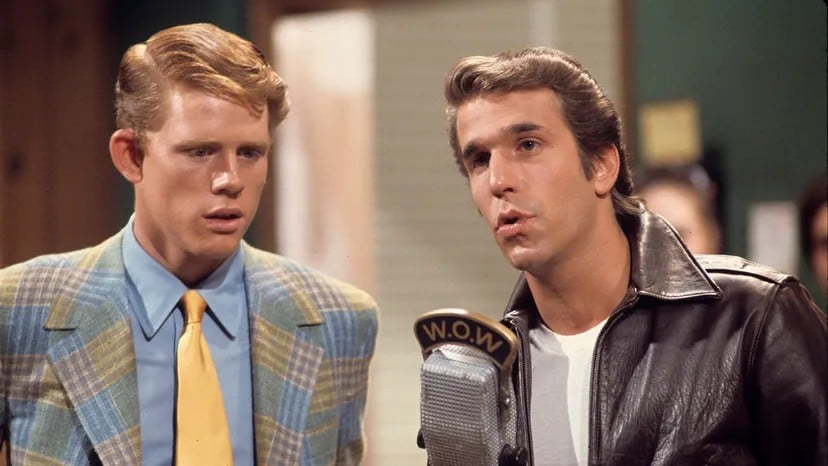
Consider Scooby-Doo. Consider Buffy the Vampire Slayer. Let’s think about Will & Grace. Heroes and My Name is Earl were also built on this model. Sometimes the fringe characters are so well-characterized that they steal the show. The Fonz in Happy Days. Darryl (both) Newhart. Mr. Big in Sex and the City. They start small. They become the center.
That’s the point. Original, adorable and believable characters capture people’s attention.
That aside, most stories follow a basic arc. Something is desired. There are barriers that prevent it. The hero wins. Get insight. You have to present the conflict immediately. Pay attention now. Structure is important. A clear beginning, middle and end.
Once you have decided on the main character, you can determine the plot. This is the main action. We explain why these characters exist and why we’d watch them.
Watch “My Name Is Earl.” The pilot used a teaser before the theme song. Earl was a thief who got hit by a car. He wakes up and thinks that Karma is real. He listed his mistakes. He decided to solve these problems. All this background information only takes a few minutes. No exposition dumps. Just action.
If you want to take this concept further, you can convert it to readable format.
Script vs. Treatment vs. Treatment
You can create scripts. It is fully fleshed out. Detailed character development. Description of the environment. Physical direction. Scenes. Movement. Dialogue. It follows a strict format.
However, you can also write treatment. This is a descriptive overScenes. Very concise. A half-hour sitcom or an hour-long drama is usually less than five pages. It emphasizes three things:
* A great hook (something that grabs your attention).
* PLOT Twist (unexpected twist).
* Big reward (thrill or “aha” moment).
Many networks prefer treatment over a script. It gives them control. They may initiate the idea themselves before it is fixed. In order for your treatment to be successful, you need the killer title. You must be wondering what this show is all about. Pushing Daisies. Desperate Housewives. “Sex and the City”. Recommended titles.
Then compress everything into logline.
Writing a Television Show Logline
Now the concept is on paper. You need a logline to present it to a network. This is a 1-2 line summary. It is essential for marketing. Used with the treatment or script.
Outlining your story forces you to cut out the excess. Get the essentials. What is the show about? Why watch it? Focus on the hook. The plot twist.
A successful logline immediately arouses interest. Network execs saw the potential. If they see it, they will consider developing it.
Many television executives consider the logline the most important part of the process. They use this version for marketing. Same as TV Guide description.
The TV Writers Vault offers examples from Mad Men and The Walking Dead.
“From the boardroom to the bedroom, a glimpse into the great world of advertising in 1960s New York.”
“In the years that follow a zombie apocalypse, a group of survivors led by an ex-cop search for a safe home. But their interpersonal conflicts are a greater threat to their survival than the zombies across the land.”
Notice the difference between loglines and tagline. The movie’s poster has this tagline: A woman who fights for justice in a chaotic world. * It teases. We sell tickets. It won’t work for a logline. The logline describes the engine of the show.
Rewrite and read-through the logline, treatment, and script until they’re perfect, then protect your work. Registered with the US Copyright Office. This can be done online.
Registration with the Writers Guild of America West does not provide legal protection. This is a member benefit, not a shield.
When everything is ready, try to sell your idea. The TV Writers Vault offers tips for pitching. But the real work happens when you write. Before you ever speak to a producer.
How to deepen the operation of television
If you want to peel back another layer, there are many other entries. The internet is full of breakdowns about how certain programs work. Trace the logic behind How Television Works or tackle the timeless formula of How “Scooby-Doo” Works. For those who obsessed with lore-heavy sci-fi, we have a special guide How the DHARMA Initiative Works that breaks down the fictional science of Lost.
Then there are industry standards. How the Emmy Awards Work reveals voting patterns and prestige politics that affect careers. If you are interested in the structure of superhero stories, check out How “Heroes” Works.
Obviously, the numbers game is important. How are TV ratings determined? How is the number of people watching a show determined? This is an important question for anyone seeking success. It’s not just about the eyeballs. It is related to demographics, time of day and sheer weight of viewership data.
Sources behind the analysis
This is not just a conjecture. Built on a solid foundation. Key data points come from major networks like ABC.com and NBC.com and giving us direct access to broadcast strategies. The Internet Movie Database offers factual information about titles and credits.
But the real insight comes from the writers themselves. Martie Cook’s Writing About Television: Out of Your Head and into the Screen (Focal Press, 2007) explains the translation from mind to page. *Alex Epstein’s ** Smart Writing for Television: Thinking Inside the Box (Owl Books, 2006) discusses the limitations of network television.
For those looking to break in, by Abby Finer and Deborah Pearlman’s Starting a Career in Television Writing: A Guide to Warner Bros. To the Television Script Workshop (Syracuse University Press, 2004) provides a road map. Ellen Sandler’s Television Screenwriting Workbook: Creative Approaches to Television Scripting (Bantam Dell, 2007) keeps the craft practical.
This is a combination of insider access and academic research. As a result, you have a clearer picture of how the machine actually runs.