The drugs are arriving.
There was nothing approved until now. Just scrabbling. Desperation. In the DRC, teams were guessing how to stop the bleeding in a way that actually worked. That changes. Maybe. Within months, if everything holds together, patients get a chance at treatment.
Six weeks.
That’s it. Six weeks from the World Health Organization declaring a global health emergency to the first patients enrolling in the trial. Scientists call it a record pace. I call it frantic. In Bunia, the capital of Itury province where the Bundibugyo strain is tearing through the population, people don’t have time for records. They have to eat.
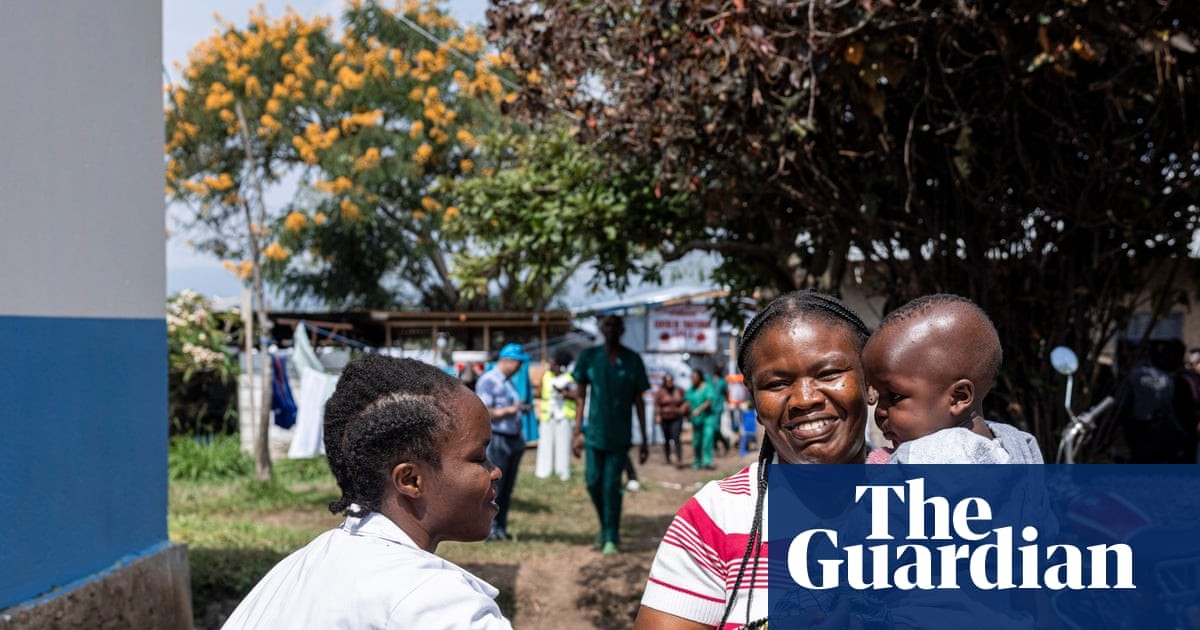
Neema Haba sells bananas. She has three kids.
“I hope these drug trials proceed quickly.”
Her life is crumbling. The outbreak isn’t just a biological threat, it’s economic. Families are at the brink. Nothing works right anymore. As of early July, 1,792 cases confirmed. 625 dead. And the virus? It’s still expanding.
The strategy remains primitive. Find the sick. Lock them away. Track their contacts. Sounds simple, except for the fact that people hate being locked up, especially by authorities they don’t trust.
Seventy-five percent of known contacts get traced. Not bad? Sure, in a sterile model. On the ground, a highly mobile population and deep skepticism make contact tracing a nightmare. Then the workers walked off the job.
Frontline staff stopped working. They haven’t been paid.
Ovide Maliabo drives a van for a burial team in Rwampara. The work is dangerous. Dead bodies are highly contagious, requiring specialized handling, but the danger comes less from the virus than from the mob. He says he and his crew “see no point in risking [their] lives.”
At one point they almost got lynched.
“It’s a shame that we ain’t being financially supported,”
Bahati John leads a team. He lost a tooth during an attack. Since May 15, he has earned zero currency. Insults are free, apparently, but cash is not. He’s the breadwinner. His family is hungry.
Officially, DRC says payments happened. It’s unclear if the teams came back to work. The airport in Bunia closed. Supply lines choked, even for something as mundane as banknotes.
So we pivot to chemistry.
The Partners treatment trial launches with two main players. Remdesivir. And MBP134. Patients get shuffled into groups randomly. They receive one drug, the other, a combo, or just the standard care they’ve always had. The control group remains important. We need to know if the drugs actually help or if we’re just poisoning people for data.
Remdesivir comes from Gilead Sciences. An antiviral. MBP134, made by Mapp Biopharmaceutical involves monoclonal antibodies—engineered proteins that hunt the virus and neutralize it. Both go in the vein. One infusion for the antibody. Ten days for the antiviral.
Prof Laurens Liesenborgh from Antwerp says both worked in animals.
“We showed great efficacy. Now we test in humans,”
He wants to see mortality drop. Just drop.
The Bundibugyo strain kills one in three people. It’s not the Zaire strain—the brutal beast of previous outbreaks—but one in three is plenty high. Previous trials on Zaire cases dropped death rates from 50 to 35 percent with antibodies. Liesenborgh hopes for that kind of magnitude here. Any improvement is good? Yes, but only if it’s statistically detectable.
You need bodies to prove the math. Between 700 and 1000 patients.
Supplies? The WHO says enough exists. Gilead and the U.S. government donated stock for 1,20 patients. Discusions are underway for what happens if the trial works and they become essential meds.
Who gets treated?
Everyone. Children, adults, pregnant women. Usually, pregnant women are excluded from trials to avoid liability. Here? The risk of doing nothing outweighs the risk of the drug. Ebola causes miscarriage anyway. Animal tests showed no pregnancy risks with the meds. The benefit is potentially life-saving. The stakes are immediate.
Amanda Rojek of Oxford leads the science side. She calls it “fantastic.”
In West Africa during 2014, it took a year to start a trial. Twenty-eight thousand cases later. Here? Six weeks. Credit goes to DRC’s National Biomedical research institute. They know the ropes from previous outbreaks like mpox.
Keep it simple. That’s the rule. Same approach Oxford used in the RECOVERY trial during COVID. Simple beats perfect when you’re losing people every hour.
But Prof Yap Boum of the Africa CDC warns.
Danger remains. Trials alone don’t end outbreaks. Capacity matters. Surveillance. Isolation.
“When we treat people, it sends a message.”
Trust returns, maybe, if treatment works. Another trial starts this week too. Obeldesivir. Prophylaxis. Stopping the disease before it starts in contacts.
Africa CDC needs $18 million. They have six.
The rest? You tell me.