Depression is everywhere. Hundreds of millions deal with it. Many of them have nothing that helps.
This gap in care is urgent. We need better tools.
New work from UiT The Arctic University of挪威 offers a glimmer. Specifically, a trial published in JAMA Network Open.
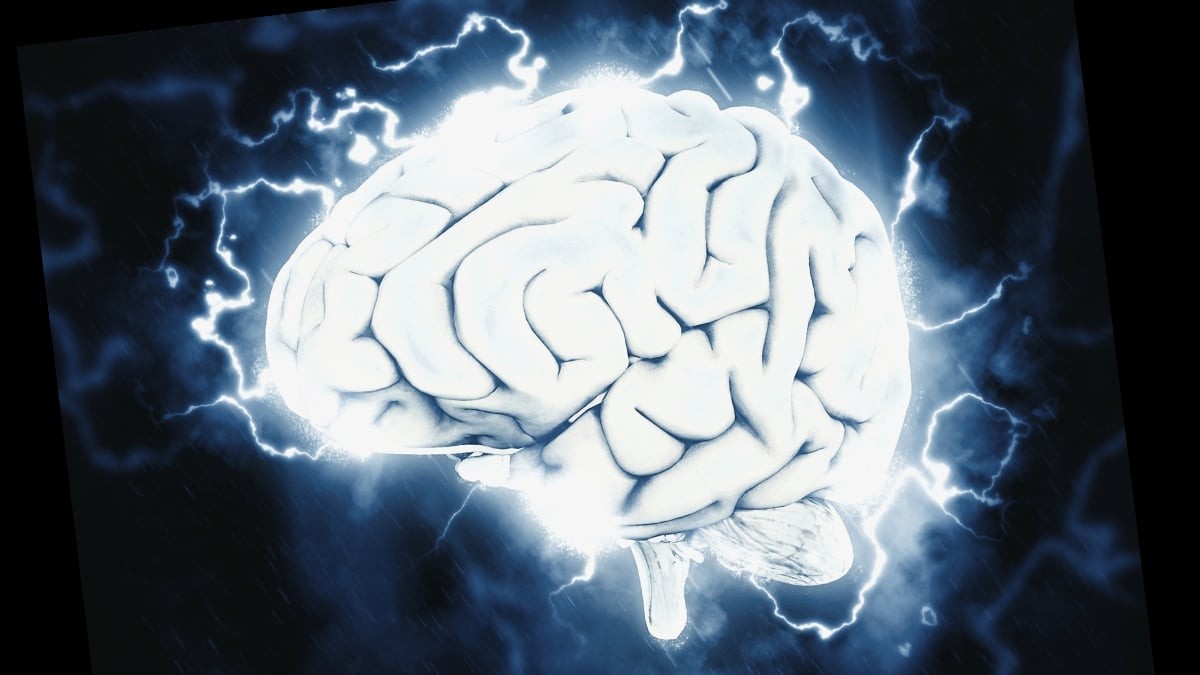
The focus: intermittent theta-burst stimulation. Or iTBS for short.
It is not magic. It is magnetic.
Researchers wanted to see if daily iTBS actually beat a fake treatment. This matters because placebo effects in psychiatry are strong, often suspiciously so.
They tested 73 adults. All had Major Depressive Disorder.
The setup was strict.
– Group A got real iTBS.
– Group B got sham iTBS.
The coil presses against your head. Real one? Magnetic fields hit the dorsolateral prefrontal Cortex. Fake one? Same pressure, same tapping sounds.
The fake coil just can’t penetrate the skull. The researchers describe it well: “induced field is insufficient for cortical stimulation.”
You hear the noise. You feel the tap. Your brain feels nothing.
Day five. Day ten.
The real treatment group improved. Clinicians saw the drop in depressive symptoms. It was significant.
So far, so good.
“a fixed 10-session schedule… resulted in greater reductions in clinician-rating… than sham during the treatment phase.”
Then things got weird.
Patients rate themselves. They filled out questionnaires.
Guess what? There was hardly any difference between the real and the fake group on self-reported scales.
Subjective feeling lags behind clinical observation. Or maybe the patients are bad judges of their own moods. Hard to say.
Treatment ends. Everyone goes home.
Fast forward four weeks.
The placebo group catches up.
Yes, you read that right.
The sham group, who never actually stimulated their neurons, improved just as much as the iTBS group by the time the follow-up arrived.
The real treatment group stayed stable. They didn’t get better. They just didn’t get worse.
Did the magnets work?
Short-term, yes. The clinicians noticed it immediately.
But why did the fakers catch up later?
Expectancy. Context. The power of thinking you are being fixed.
“The substantial symptom reduction in the sham aligns with prior evidence… sham TMS is not physiically inert,” the authors write.
They are essentially saying the placebo effect is real physiology, or at least real symptom relief.
This creates a messy picture.
iTBS gives you a kick in the first week. But the kick doesn’t stick longer than the fake version over time. At least not in this ten-day protocol.
Usually, these courses last longer. Maybe four weeks. Maybe eight.
This trial stopped at ten days.
So does that mean iTBS fails? No. It means short bursts might need extending.
The placebo response here was robust. Too robust?
It complicates future studies. How do you prove a treatment works when the fake treatment also fixes depression within a month?
You control the duration. You watch the clock.
“fixed, short treatment courses potentially facilitate symptom improvement.”
A helpful insight, or just a limitation?
Depression resists neat boxes. Treatments fade. Placebos linger.
We need to know if ten days is enough to start healing. Or if it’s just enough to make you feel hope for a month.
Either way, the brain is tricky. It wants to improve, whether we stimulate it or not.
Who knows how long that optimism lasts? 📉