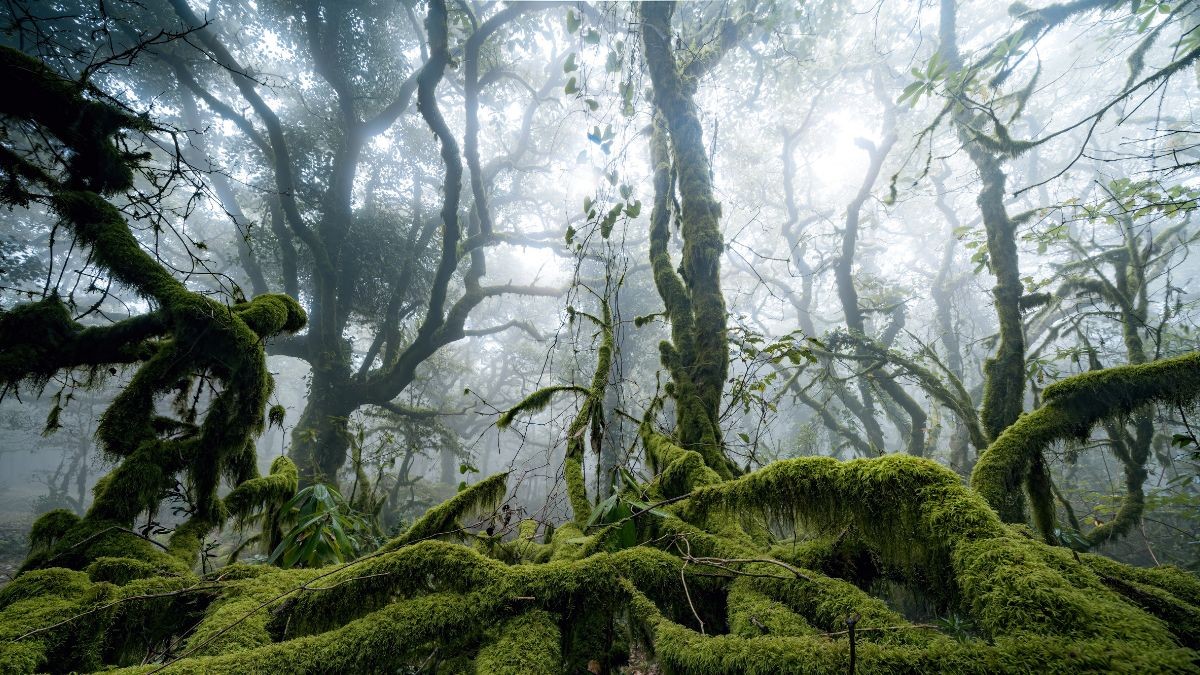
Cold. Damp. Alive.
Fog isn’t just wet air. It’s a soup of microbes, thick enough to rival the ocean.
Researchers at Arizona State University and the University of Pennsylvania — wait, Susquehanna. Yes — found that fog droplets are basically bacterial hatcheries. The counts? Staggering. A milliliter of fog water holds around 1 million copies of the 16S r RNA gene marker.
For context. That is the same bacterial density found in seawater.
“There’s very limited knowledge about what kinds are present.”
— Thi Thuong Thu Cao
Most people think fog is sterile. A visual haze. But these guys live in it.
The study covered thirty-two fog events over two years. The team waited for calm nights, tracking radiation fog, because wind messes with the data. And when the mist rolled in? The numbers jumped.
Methylobacterium runs the show here.
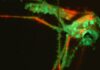
They aren’t just passing through, riding a gust to find soil later. No. They stay. They multiply. Under the microscope, you can see it. Cells getting bigger. Dividing. Active life in mid-air.
Does this matter?
Look at what they eat.
These bugs gobble volatile carbon compounds. Formaldehyde. That nasty stuff from industrial runoff, vehicle exhaust, decaying plant matter. You don’t want that in your lungs.
The bacteria consume it fast.
In the lab samples, formaldehyde vanished in record time. About two hundred times faster than usual rates seen in cloud water.
So, they need it for food. Obviously. But the speed suggests another motive: survival.
Formaldehyde is toxic. If it builds up, the bacteria die. So they burn through it. To clean the droplet. To detoxify their immediate surroundings.
It’s a side effect we can’t ignore.
The aerial microbiome might have a cleansing effect.”
— Ferran Garcia Pichel
Think about it. You breathe fog. You inhale tiny droplets of bacteria. And those bacteria? They just ate your local pollution.
Not a full cure, of course. How much air do we actually clean with a morning mist? Probably not enough to change EPA regulations tomorrow.
But it’s there. Working.
We assumed the sky was empty space above the trees. We were wrong. It’s full of life, processing chemical waste while we sleep.
The implications go wider than just clean air. Maybe other compounds vanish too. Maybe we’ve underestimated the biological engine in our atmosphere entirely.
Garcia-Pichel calls it the “sky’s the limit.”
A bit cliché. But looking up at the grey veil this morning?
Hard not to believe.
Or maybe it doesn’t matter.