The Forecast Shifts
NOAA sees a “super” El Niño coming. October 2026 through February 2027 is the window. It’s the most likely path now.
This isn’t a guess. The National Oceanic and Atmospheric Administration’s Climate Prediction Center crunched the numbers in May. Their new ENSO forecast shows a 65% probability. The event could be strong or very strong. That puts it near the top of recorded history for intensity.
A “very strong” tag means sea surface temperatures jump by 2°C. We call that a “super” El Niño. It is the probable baseline.
The certainty has jumped. In April, the forecast was shaky. Now there is an 82% chance it starts by July and lasts until next spring. The world is leaving neutral territory. Fast.
Heat, History, and Hunger
El Niño happens every few years. Wind patterns shift in the tropical Pacific. The ocean gets warm—0.5°C above average usually. But “very strong” breaks those norms.
We just saw it. From May 2023 to early 2024. That helped make last year the hottest on record. Climate Brief warns that if this next one hits hard, 2027 breaks the thermometer entirely.
Paul Roundy at the University at Albany put it bluntly on social media. He sees the confidence rising for the biggest event since the 1800s.
Think back to 1877.
It was catastrophic. That El Niño triggered a famine lasting two years. Thirty percent of the globe’s food systems failed. Over 50 million people died.
The world isn’t the same now. Our economies are bigger. Our politics are complex. Deepti Singh from Washington State University points out one thing though.
The atmosphere and oceans are substantially warmer now. Extremes become more extreme.
So yes. The stage is set for a different kind of disaster. But the impact will be deep. Food, water, money. All at risk.
The Price Tag
It’s not just about heat. It’s about money. And survival.
In 1998, a strong El Niño cost the global economy somewhere between $32 billion and $96 billion. Just damage. Not long-term consequences.
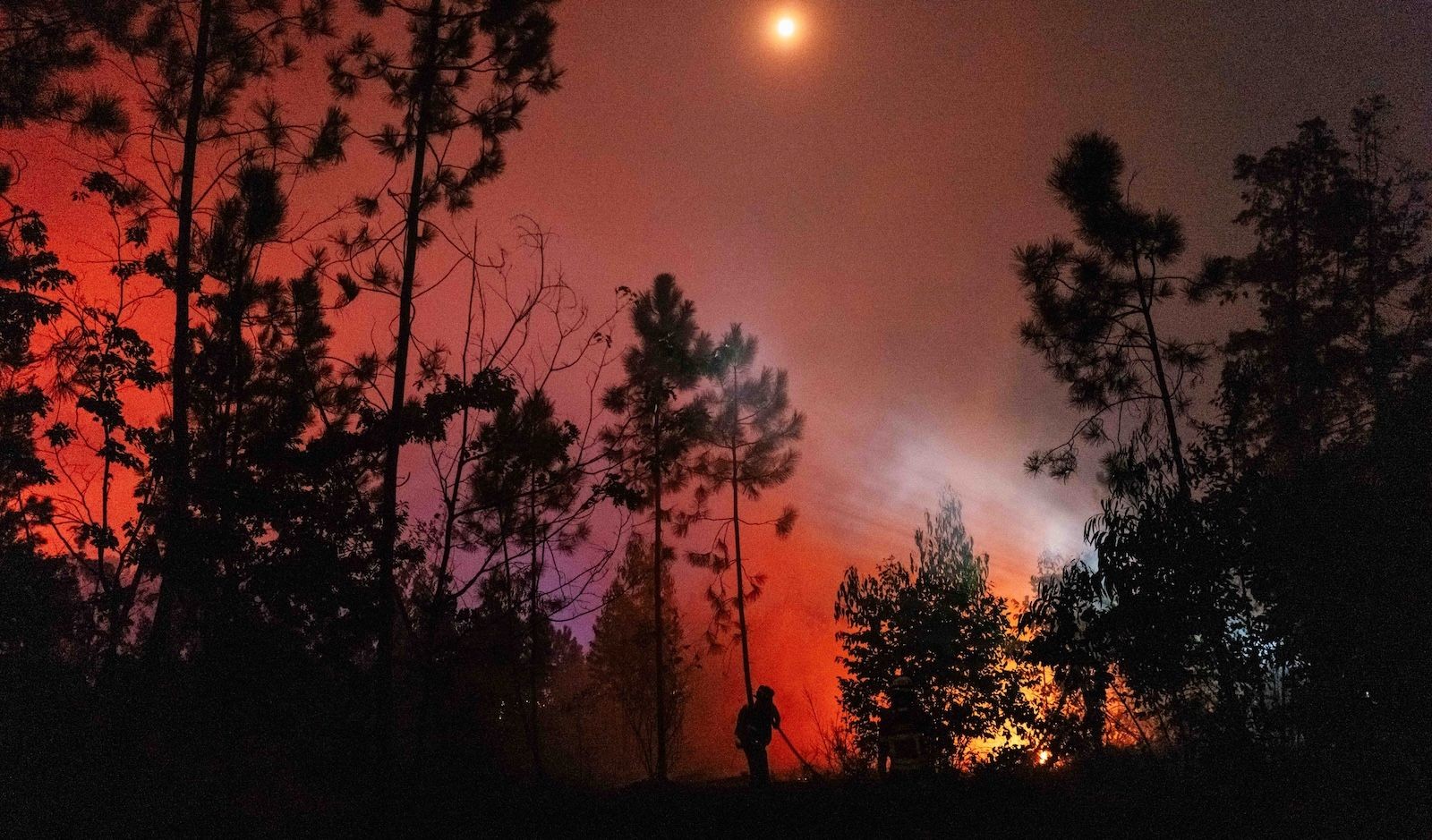
NOAA’s Nathaniel Johnson knows what’s coming. Fisheries collapse. Crops fail. Wildfires burn. Hurricanes multiply.
Liz Stephens of the University of Reading puts a human face on it. People living in poverty can’t handle the shock. If droughts or floods cut yields, prices spike. The vulnerable pay the price.
What if this crisis hits while other conflicts burn?
You have more people in poverty. Crop yields drop. Prices go higher. We’re looking at huge humanitarian impacts.
The next forecast lands June 11.
We’ll know more then. Maybe less. Or more likely. Or maybe the numbers stay right here. Sitting in the 82% zone.
The heat is waiting.