电波已经饱和。 现在是超级碗赛季,商业广告的周期是无情的。 我们正在浏览电视、披萨连锁店和流媒体服务的广告,所有这些广告都在积极宣传美国最大的体育赛事。 但如果你仔细听,你会发现一个明显的遗漏。 这个词本身无处可寻。
这并非偶然。 这是一个合法的雷区。
未经许可在商业环境中使用“超级碗”一词是导致终止函的捷径。 或者更糟糕的是,一场诉讼。 美国国家橄榄球联盟对其知识产权的保护力度之大,常常令普通消费者感到惊讶。
马凯特大学国家体育法研究所所长保罗·安德森表示:“对于大公司来说,这是很正常的事情。” “超级碗是一个如此巨大的问题和盛事,它引起了很多关注。”
The Legal Wall Around the Game
The NFL owns the Super Bowl trademark. They also own the copyright of the actual telecast. This places strict limits on advertisers. If you are not an official sponsor or broadcast network, you cannot use this name to sell anything.
That’s why companies make solutions. You will see ads about “The Big Game”, “The Football Championship” or “The Big Game”. Stephen Colbert once leaned into this absurdity, promoting his #SuperbOwl campaign as a parody that skirted the edges of the rulebook. This is very clever. It is also legally unique.
The cost of using this phrase is staggering. Budweiser paid $1.4 billion to extend its sponsorship rights through 2022. Advertising spots during games cost hundreds of thousands of dollars per second. The NFL is no joke. They want to ensure that only those paying top dollar can embed their brand in the event’s massive cultural footprint.
Who’s in trouble?
If you’re watching it at home, relax. There are no legal problems with watching matches. The problems start when money is involved.
“The NFL has the right to take legal action if they’re going to sell tickets or make money,” Anderson said.
This applies to local bars, restaurants and even churches. In 2007, Fall Creek Baptist Church in Indianapolis attempted to charge admission to a Super Bowl viewing party. The NFL flagged the play. The party has been cancelled. This seemed harsh at the time, but the logic was calm and consistent. If you want one company to benefit from its name, you have to let all companies do the same. This undermines the value of the brand they have built over decades.
Since then, the rules have been relaxed a bit. Churches can organize viewing parties. Internal communications sometimes refer to this as the “Super Bowl Party.” You can charge a fee to cover expenses such as food and drinks. However, you cannot charge an entrance fee. NFL logos may not be displayed. Of course, this term cannot be used to promote commercial income.
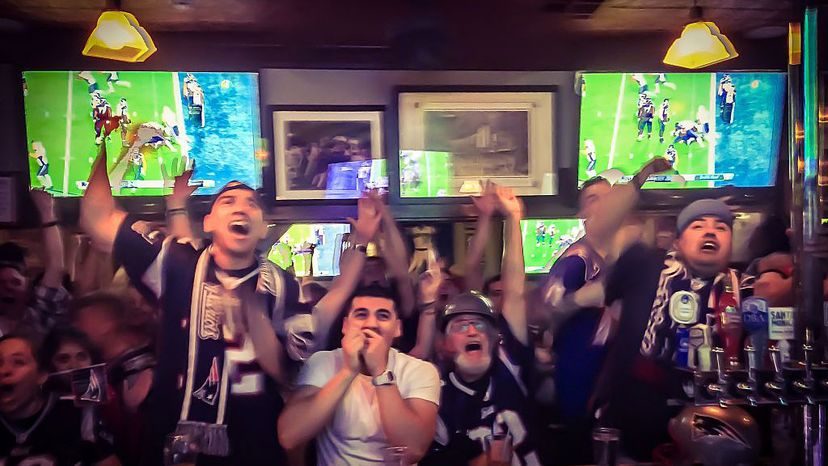
Bars face similar restrictions. The game can be displayed on the screen. You can’t advertise that you’re running a game to get customers to spend money on beer and burgers. It’s a way to make money using a brand name. This is trademark infringement.
Trademark infringement occurs when someone uses a trademarked term in a way that may falsely lead to the conclusion of an official relationship between the company and the product being advertised.
Fair use for the rest of us
Well, are you suing after reading this article? Not likely.
Journalists rely on a principle called “nominative fair use”. This legal principle allows the use of copyrighted material in news reporting, criticism, and education when there is no other way to refer to the subject matter. Since we are dealing with a transaction, we need to use this name. Not commercial.
If HowStuffWorks wanted to use that term for a giveaway, they would have to change the name. “Win a Free Cookie for the Big NFL Championship Game” is a compatible version.
The difference is obvious. One is speech. The other is sales. The NFL guards that line with legal precision.
This phenomenon is not limited to football. The International Olympic Committee is just as strict. They have been fighting the misuse of the Olympic rings and certain terminology for decades. When it comes to global events, the brand is the asset. And the asset is not for sale to just anyone.
You can watch the match. We can talk about the game. But your name cannot be sold. The line is drawn in sand, and the NFL brings the tide.