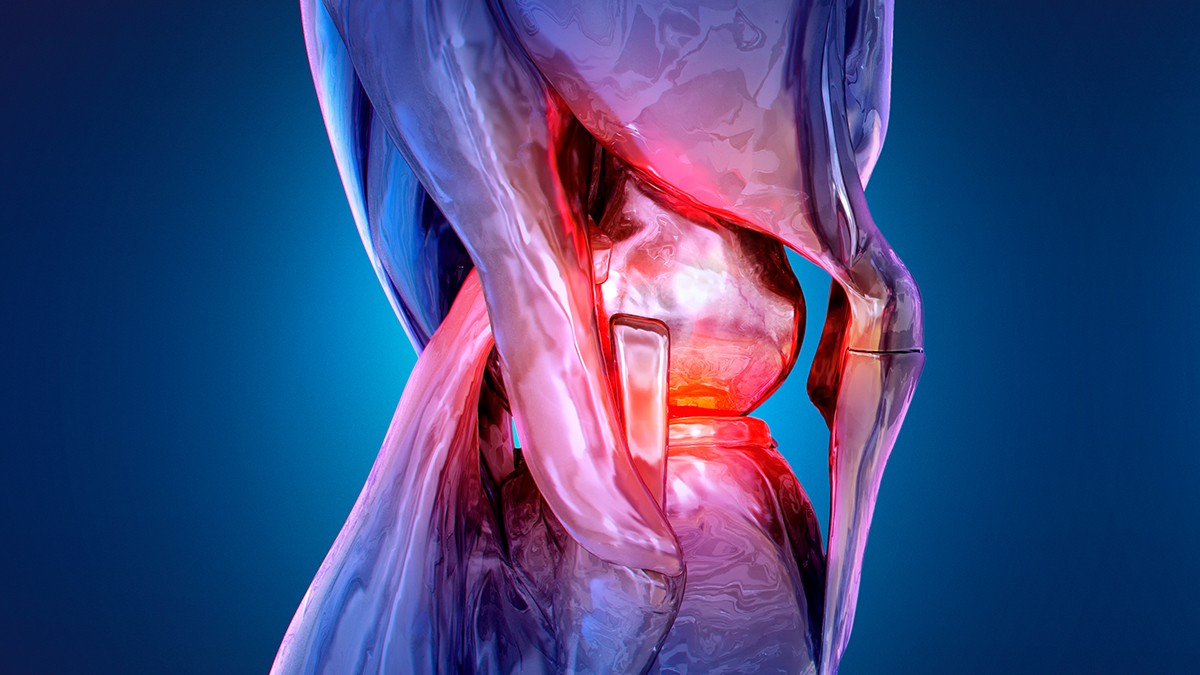
Osteoarthritis is a brutal reality. Cartilage wears away. Bones grind. Pain follows, stubborn and unrelenting. For millions, surgery is the only exit door left open. But a German team says they might have built a new window.
Researchers from Charité – UniversitätsmedizinBerlin in Germany have turned their attention to genicular artery embolization. It sounds technical. It is. Basically, they clog the tiny, extra blood vessels that bloom around inflamed joints. These rogue vessels feed the fire, signaling pain nerves to scream. Stop the blood flow. Quiet the nerves. Reduce the inflammation.
The twist here is the material.
Past methods used antibiotics as plugging agents. Big risk for inflammation, huge risk for resistance. This team swapped them out. They used microscopic gel beads. Resorbable microspheres, they call them. Inject them into the artery leading to the knee, and they settle. They block the specific pathological flow. Then, hours later, they dissolve. Poof. Gone. No permanent damage. No leftover hardware. Just a temporary traffic jam that breaks the cycle of pain.
Florian Nima Fleckenstein from the Berlin team says this changes the game.
“GAE with resorbable microspheresmay be the first procedure that altersthe course of the disease.”
That’s a heavy claim. Altering the disease course means slowing it down. Not just masking the noise, but fixing the volume.
So, does it work?
They watched 194 people. Average age 69. These folks were desperate. They had failed physiotherapy. They had ignored anti-inflammatory drugs. They had exhausted the steroid injections. Nothing worked. Then they got the gel beads.
At the start, pain sat at a 7 out of 10 on the standard scale. A year later. The score dropped to a 3.
It wasn’t just about sitting on the couch less in pain. Daily activities improved. Sports came back. Quality of life went up. And maybe the most telling part: no notable side effects.
Was it a placebo? The study didn’t include a control group. All the patients came from one hospital. It’s not a massive randomized trial yet. Science requires more proof, always more. But the data looks solid. It feels real.
“We believe these results carry real weightbecause they come from real-world data.” Fleckenstein knows his patients. They are the ones walking into clinics right now, stuck in that limbo between injection failures and surgical readiness.
“For many patients… there is a realtreatment gap today.”
Surgery is scary. Surgery is invasive. Sometimes you just want to walk up stairs without crying. This procedure offers that. Minimally invasive. One shot. Then you go home.
There’s more research needed, obviously. Larger groups. Longer timelines past the twelve-month mark. Randomized controls would seal the deal. But the hope is fresh.
Is this the end of knee replacements? No.
But for the people stuck in the middle, finally breathing a sigh of relief? It looks promising. The beads dissolve, the pain fades. Life goes on.