SpaceX sent a package into the void today. It was fast. Silent to the public mostly, but loud enough for the rockets to roar.
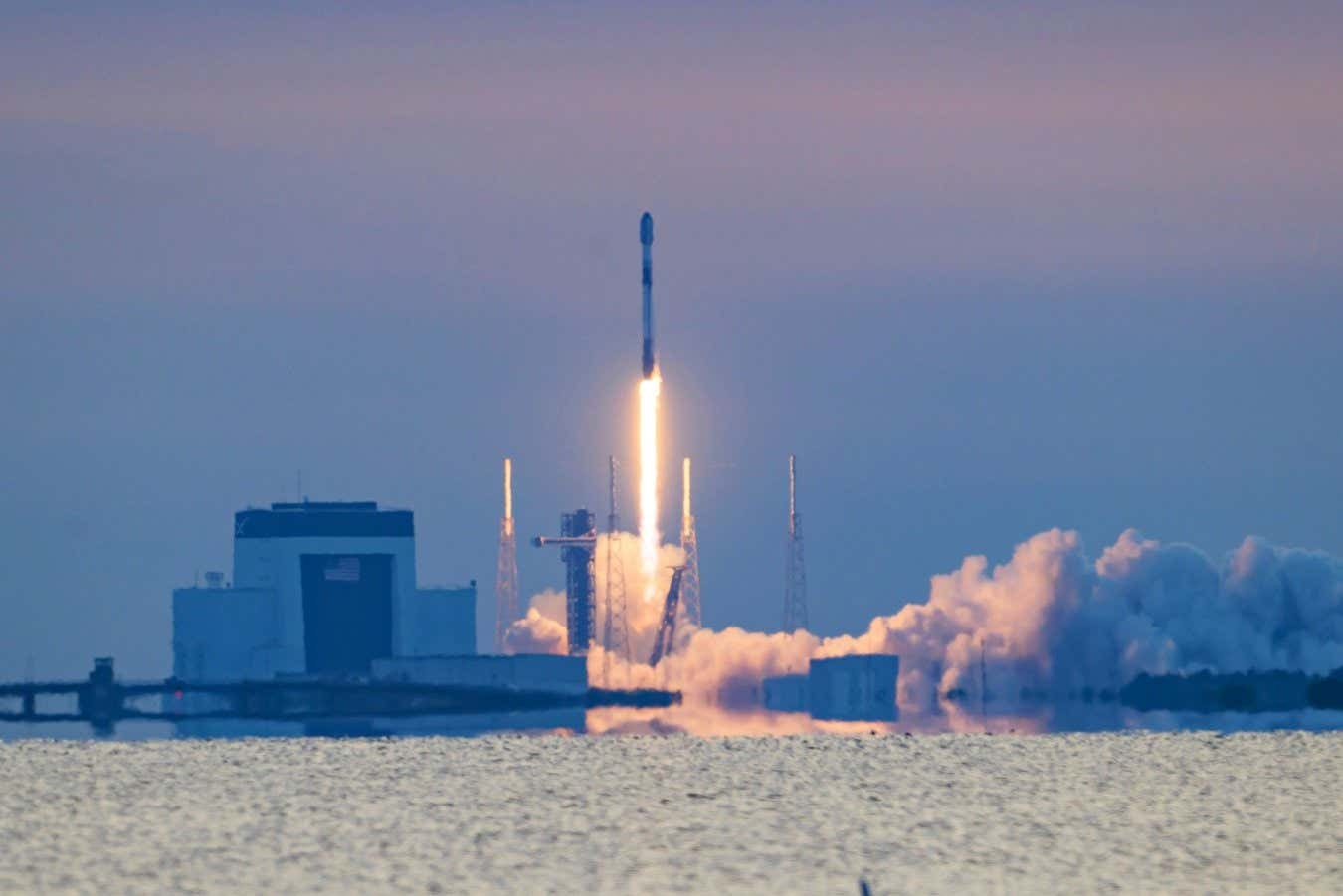
At 6.50 am local time, a Falcon 9 shook the ground in Cape Canaveral, Florida. The booster rode up, deposited a windowless black cylinder, then dove back to earth to land on a boat in the Atlantic. Routine. Until you realize the shape floating in low orbit wasn’t a starship or a cargo drone we recognize. It’s Starfall.
Or at least, what SpaceX thinks it will be.
The Stumpy Black Box
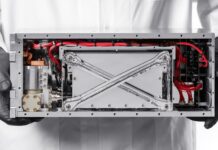
It looks less like a vessel of dreams and more like a industrial trash can. Black. Carbon fiber. About 3 meters wide and barely a meter tall. No windows because no humans are riding shotgun. It holds a tonne of stuff. That’s it.
“Routine access to the microgravity environment” — SpaceX
They say this mission enables “transport and delivery of goods.” The FAA approved the paperwork back in May, including two re-entry attempts for this specific demo. So it’s going up. It’s supposed to come back down. Specifically, somewhere in the Pacific Ocean, 1300 kilometers off California.
Or at least, that’s the plan.
SpaceX hasn’t given many details. Deliberate obscurity, some call it. Secrecy, others. We don’t know how long it orbited. We don’t have telemetry. Just a splashdown window that might never arrive for weeks.
Why Send a Box Up There?
Gravity is the problem. Or rather, what gravity does.
In a lab on Earth, heavier particles sink. Mixes separate. Alloys warp. If you want perfect pharmaceutical compounds or pristine semiconductor alloys, the ground is your enemy. Space? Space is neutral. Microgravity lets materials settle evenly, without structural defects.
Varda Space Industries and Space Forge know this. Varda flies tiny capsules—just a meter wide, weighing 300 kg max. Space Forge wants to make chips in orbit. Both are betting the house on microgravity manufacturing.
But they’re small players. Six containers total for Varda. Cute, but niche.
Starfall is three times the size of their biggest efforts. It’s not just a science project anymore. It’s infrastructure.
Who Is Really Using This?
The civilian market for space-made drugs is interesting, sure. But let’s not ignore the elephant in the hangar: the Pentagon.
SpaceX already has US military contracts. They’re testing a massive system called Rocket Cargo, using the enormous Starship rocket to drop supplies anywhere on Earth in under an hour. Starfall doesn’t replace that. It fills the cracks. Smaller, quicker, frequent drops.
The military loves speed. They love options. They’ve signed deals with Jeff Bezos’s Blue Origin and Rocket Lab for similar studies, but SpaceX is usually first off the mark.
The Silence Remains
The rocket landed. The capsule orbited. Now what?
There is no update from Elon Musk’s team. No video feed. Just the quiet hum of the Atlantic and the spin of that black cylinder thousands of kilometers away.
If it works, we’re looking at a future where rare earth metals or cancer treatments aren’t mined or brewed on the dirt, but grown in the vacuum. If it fails? Just another piece of debris waiting to burn up over the ocean.
We wait for the splashdown.