They called it a miracle. Acceleration without fuel.
Zenno Astronautics just proved it works in orbit. Not in a vacuum chamber back on Earth. Actually up there. Where the physics matter.
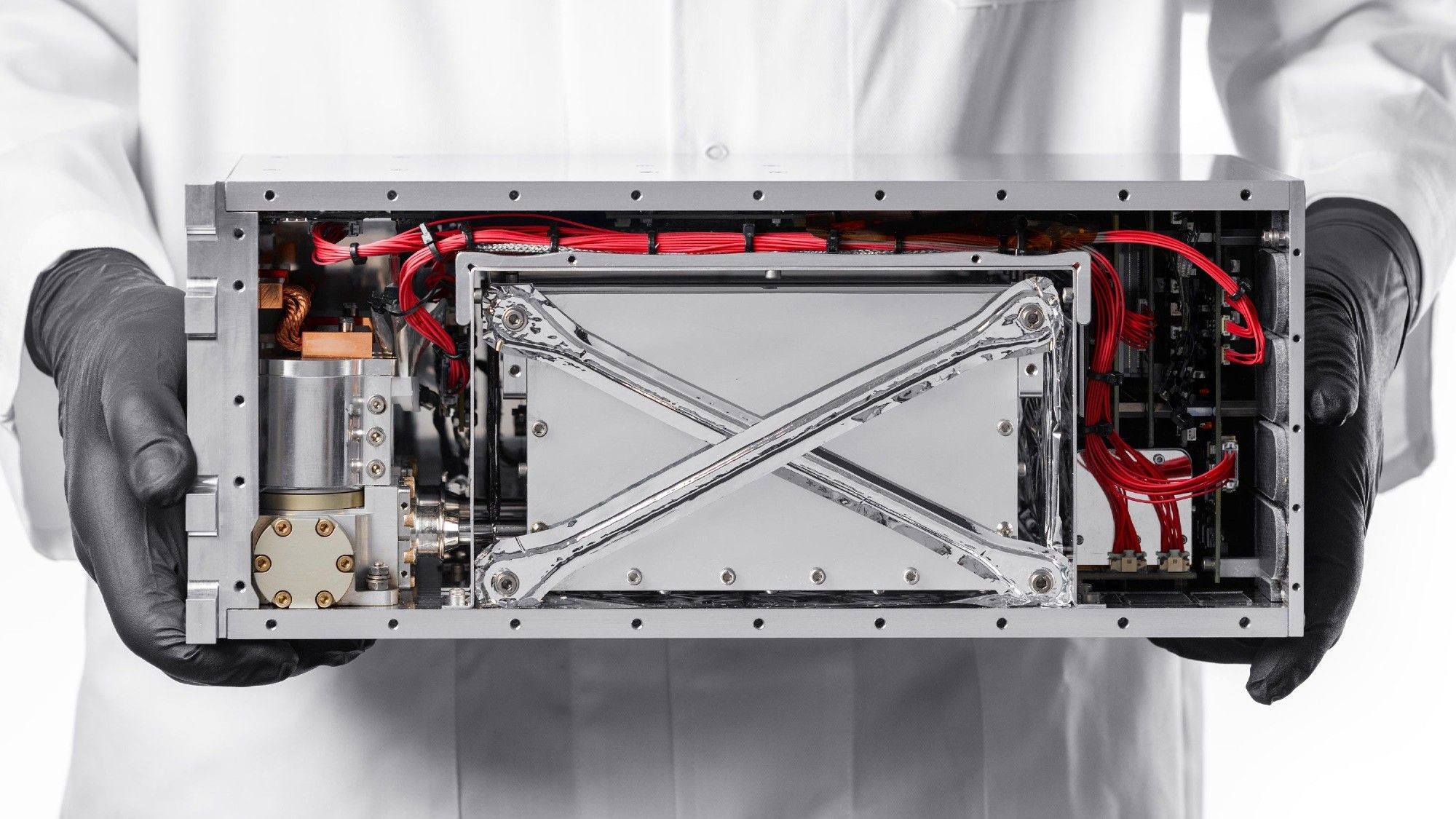
Based in New Zealand, the startup tested its “Supertorquer” on the Mira satellite. The box was shoe-sized. It flew.
Until now, superconducting magnets were too heavy, too complex. You couldn’t shrink them down to fit a small craft. Zenno changed the rules.
The system relies on superconducting wire. No electrical resistance. Currents that normal wires couldn’t survive. Strong magnetic fields follow.
But here is the rub. The cold.
These materials only work when they are freezing. We’re talking -200° Celsius [-328°F].
Space? It’s cold, sure. But not that cold for equipment facing the sun. Satellites run warm. Around 20° C [68°F]. If you point a mirror at a lamp long enough, you know why.
So they built a trap. Layers of insulation. A heat pump sucking heat away, venting it into the void. The battery, charged by solar panels, kicks in. It powers the coils. The coils push against Earth’s own magnetic field.
The satellite moves. Without burning propellant.
“It’s a technology that allows a spacecraft not to tumble,” Max Arshavsky told Space.com. “We can control the way it turns.”
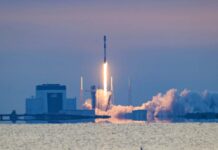
Impulse Space built the satellite. SpaceX launched it last November on Transporter 12. Zenno, a University of Auckland spinoff, watched it dance.
“It is converting solar energy straight into useful.”
Why does this matter?
Because carrying fuel is heavy. Fuel costs money. Fuel limits how far you go. This thruster uses the only thing abundant in space. Sunlight.
Arshavsky isn’t stopping at attitude control. He wants to dock ships using magnetism alone. Change trajectories without tanks. Fly to Mars with nothing but solar power.
He envisions “umbrellas” of magnetic fields. Protection for humans against cosmic rays. That cancer-causing background radiation that plagues deep space travel.
We shield the interior. We keep people safe. We leave Earth’s resources behind.
Sustainability in the final frontier? Sounds like marketing. But the tech is real.
Zenno has another test scheduled later this year. Bigger this time. Mission undisclosed.
Will it change how we build the next Apollo?
Maybe.
Or maybe it will just sit there, humming, proving we don’t need to burn the sky to move through it.
Only time, and solar panels, will tell. 🛰️