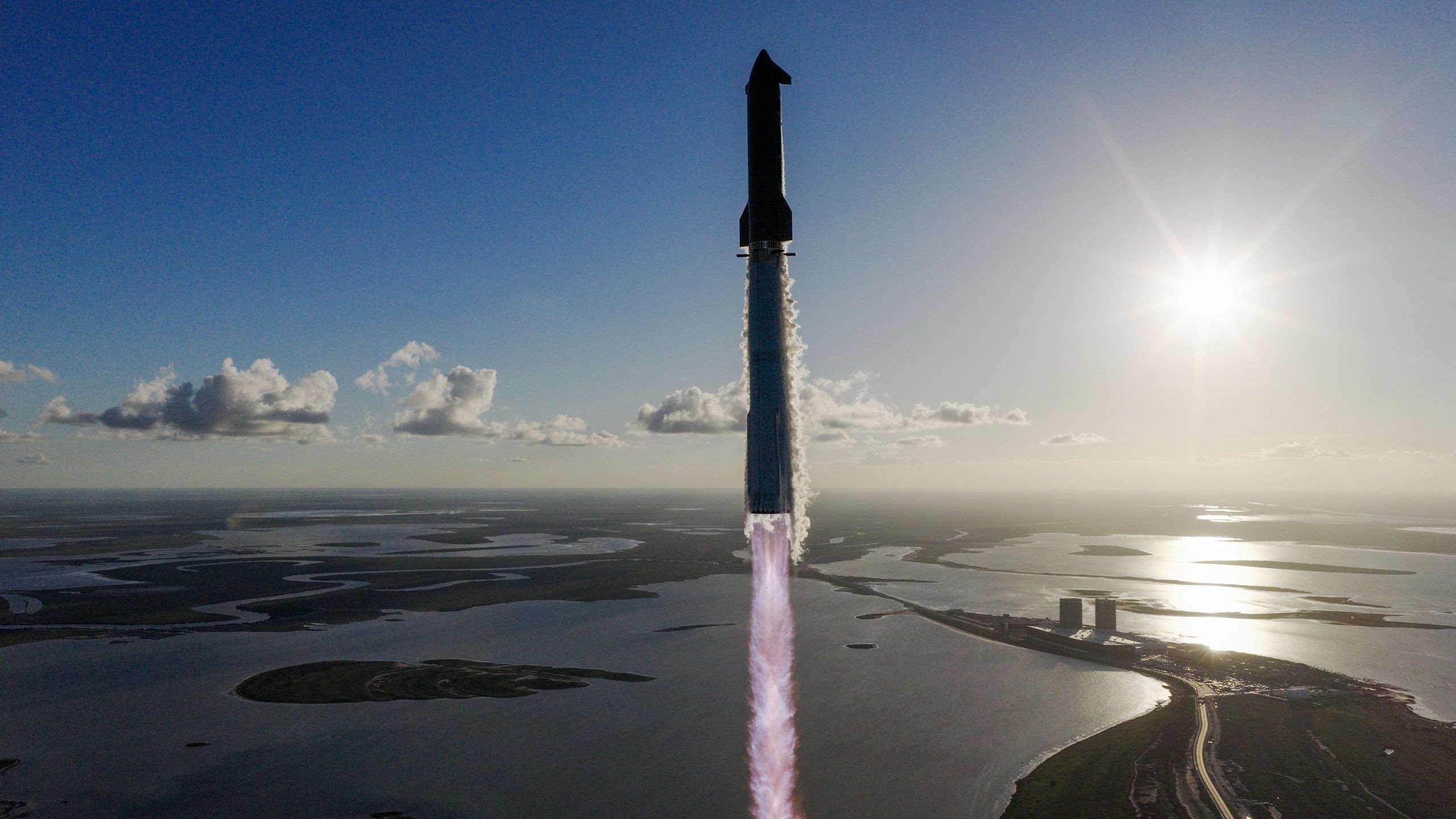
SpaceX tries again. The plan is for tonight. Specifically, 6:30 p.m. EDT. You can start watching the livestream an hour before that, around 6 p.m. The rocket might actually launch.
Starship V3 is the beast everyone has been waiting for. It’s bigger. Heavier. More powerful than anything they’ve flown so far. Today’s mission, Flight 12, marks the first time this specific version of the hardware goes vertical. Thursday saw an early end to the attempt. A hydraulic pin got stuck on the pad. Simple mechanical failure. Elon Musk called it off.
They’re back at it now. Starbase in South Texas is ready or not. The launch window is tight—90 minutes starting at 10:30 p.m. CDT. Grab the stream on SpaceX’s website or Space.com. They start the feed early so you aren’t blind before ignition.
This is the 12th attempt at flying the whole system. Only the third hardware variation.
Remember when the first one blew up shortly after leaving the ground back in 2023? Those days feel like a lifetime ago. Progress has been rapid, mostly. Flight 10. Flight 11. Both worked perfectly. The Super Heavy booster went back down into the Gulf. The upper stage, Ship, dumped dummy payloads and splashed down near Western Australia. It felt almost routine.
Flight 12 wants that feeling too. But it’s throwing in a curveball. Twenty dummy satellites, yes. But also two real, modified Starlink satellites. These aren’t just for show. They are there to look at the rocket’s heat shield while it’s still out there.
“The two modified satellites will attempt to scan Starship’s heat shield and transmit imagery down… to test methods of analyzing Starship’s heat shield readiness,” SpaceX said. Basically. Can the sensors see what’s broken before it gets too hot? If we want to catch the ship again, we need to know how fried the tiles are.
The timeline is aggressive. Roughly seven minutes out. That’s when Super Heavy hits the water. Another hour passes. Ship goes down in the Indian Ocean. It’s an endurance test for the software as much as the engines.
Why does this matter beyond bragging rights? Because this version is meant to go somewhere. The moon. Mars. V3 is the first iteration actually capable of carrying the payload architecture needed for deep space trips. NASA is watching closely. They picked Starship as a lander for the Artemis program. If Flight 12 goes sideways, all those timelines for 2028 and landing near the lunar south pole shift. Hard.
Blue Origin is waiting in the wings with their Blue Moon lander. The competition isn’t abstract anymore. It’s a matter of which rocket proves itself first. If the sensors work. If the heat shield holds. If the pin doesn’t get stuck this time.