Living things are just arrangements of dead matter. That’s it. No soul. No mystical spark zipping through your veins keeping you breathing. Just chemistry holding together a shape that happens to replicate itself. This means life isn’t magic. It’s engineering. And if you know the parts, you should be able to build the thing from scratch. We are closer to that than you think.
Synthetic biology has been chasing this dream for a while. Back in 2010 researchers at the J. Craig Venter institute swapped the DNA of one bacterium with a synthetically generated genome of another. The resulting cell lived. It grew. It reproduced with a bare-minimum genome of 473 genes. A record at the time. But it was messy. Scientists admitted they didn’t even know what a third of those genes actually did. Were they essential? Junk? Who knows. They hadn’t built life. They had rebooted it. Like jumping into a running car and pressing start again. Not the same as forging the engine from scrap metal.
Enter the University of Missouri team. They want to go back further.
The SpudCell experiment
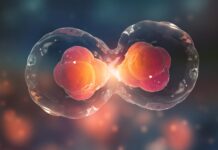
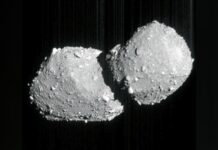
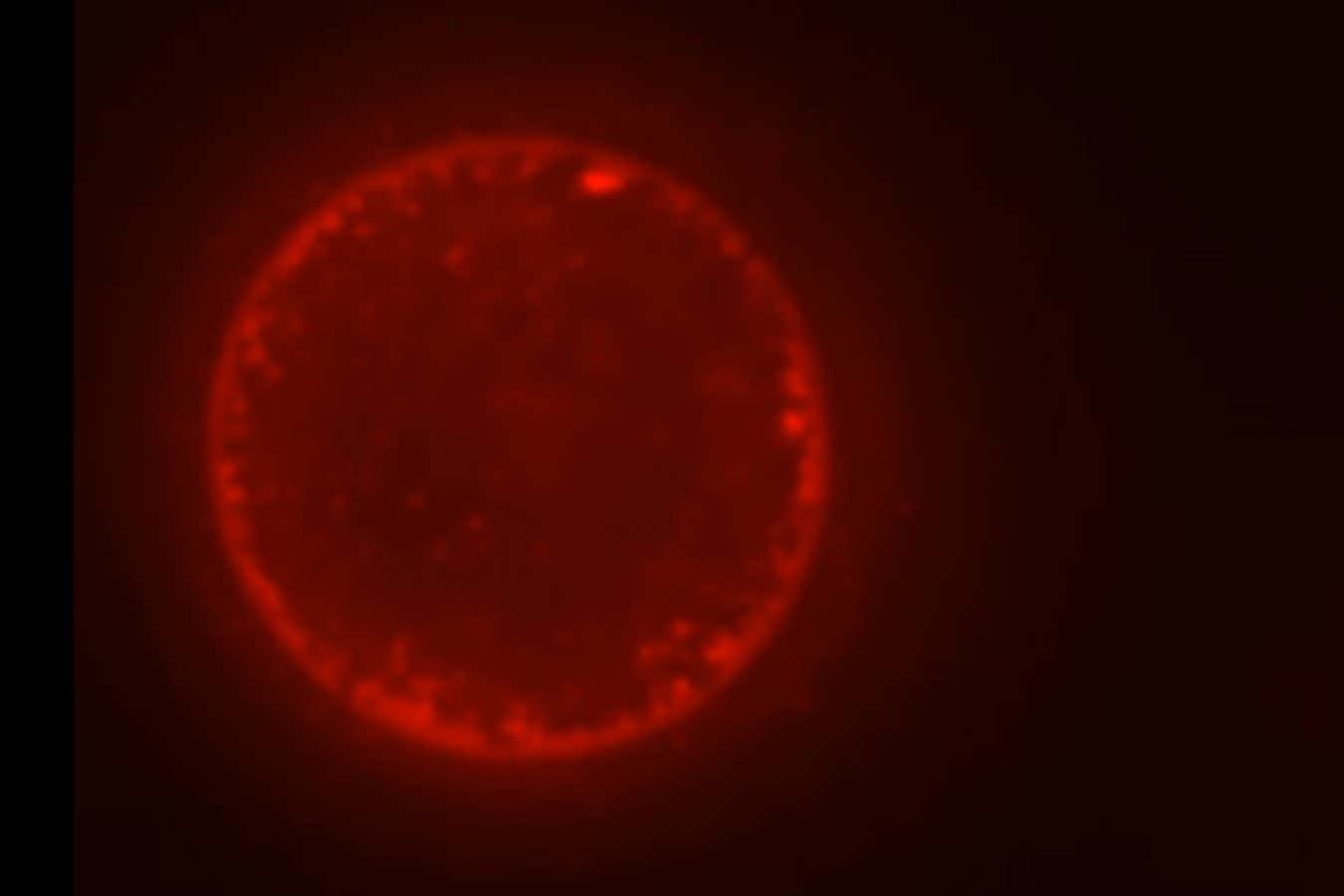
They created an entity they called the SpudCell. The name? A nod to Sputnik and the space age plus its potato-like lumpiness. It’s also an understatement of its limitations. The SpudCell isn’t an organism. Not really. It’s based on just 36 genes. That’s fewer than some viruses. When they dumped the building blocks for life into the mix, those 36 genes self-assembled. They formed cell-like bubbles. They started making proteins.
But only because the researchers supplied the ribosomes.
The ribosomes are the protein-making machines inside real cells. The SpudCell had to have them handed to it on a platter. It can’t eat. It can’t generate energy. It can’t divide or reproduce on its own. It sits there needing constant input just to keep churning out proteins. If a modern cell is a 747 jumbo jet, the SpudCell is those rickety Wright brothers craft held together with rope and cotton. It barely gets off the ground. Is it alive?
“It isn’t alive”
Sure. Technically. But it’s also the biggest step forward in decades. It proves you can coax the fundamental machinery of life out of inert components using a minimal set of instructions. You don’t need 473 genes to start the conversation. You only need 36 to get a whisper back.
What happens next
Better versions are coming. Obviously. The goal isn’t to sit around watching protein bubbles wiggle in a petri dish. The application is material. We need alternatives to fossil-fuel derived plastics fuels fertilizers. Synthetic cells could produce these things sustainably. If you can design a cell that eats sunlight and excretes plastic that’s a game changer for industry and climate.
But the deeper goal is epistemological. We want to know how dead matter becomes alive. Where is the line? When does chaos become order that persists? The SpudCell doesn’t cross the finish line but it points toward it. We might never have a neat definition of life anyway. Maybe it’s not a switch but a dimmer.
If we can build a self-sustaining entity from raw chemicals we’ll understand biology the way mechanics understand cars. Or better. We’ll be able to write our own manual. The mystery won’t be solved so much as rewritten. And that might be the scariest part.
Sign up for the Earth newsletter if you want monthly updates on how we’re trying to fix this planet.