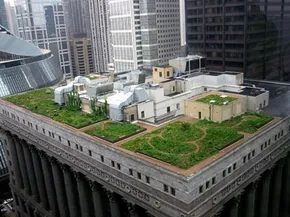
The short answer is yes. The long answer involves a steep upfront cost that makes many homeowners hesitate. Installing a green roof is significantly more expensive than standard shingle or metal roofing. You are paying for a complex system designed to hold soil, plants, and water while keeping your house dry and safe. It is not just a layer of dirt on a deck.
But the long game favors the roof with the grass.
Think of it as an investment that pays dividends in lower electric bills, extended roof life, and reduced stormwater damage. As urban heat islands grow hotter every year, the value of that extra layer of insulation becomes clearer.
How a green roof cuts cooling costs
The plants on your roof are not generating electricity. They will not power your microwave or charge your phone. But they do something else that matters: they block the sun.
During summer months, standard roofs absorb heat and radiate it into your attic. Your air conditioner has to work overtime to fight that heat. A green roof acts as a natural insulator. The vegetation and soil absorb UV rays before they hit the roof membrane. This keeps the interior temperature lower.
The result is a direct reduction in cooling energy use. You might not notice a massive drop in a single bill, but over a decade, the savings add up.
Why green roofs last longer than traditional ones
Here is the surprise many people miss. Roofs wear out. Standard roofs degrade under the constant assault of sun, wind, rain, and temperature swings. Eventually, they leak and need replacing.
Green roofs also wear out. But they do it slowly.
The same layer of soil and plants that keeps your house cool also protects the underlying waterproofing membrane from direct exposure to the elements. UV radiation, which breaks down standard roofing materials, is filtered out by the vegetation. This means the core of your roof lasts much longer. You may not need to replace a green roof as often as you would a traditional one.
How green roofs handle stormwater runoff
Rainwater running off a standard roof is a problem. It flows into gutters, downspouts, and eventually onto the ground. This can cause erosion around your foundation. It can wash away expensive landscaping. In heavy storms, it can overwhelm local drainage systems.
A green roof absorbs that water. The soil and plants act like a giant sponge. Some advanced systems can retain up to 100 percent of rainfall. This means less water hitting the ground with force. Less erosion. Less strain on municipal sewers. If you live in an area with heavy rain or flash flooding, this is a major benefit.
The urban heat island effect
If you live in a city, you know the feeling. It is 90 degrees in the suburbs, but 100 degrees in downtown. This is the urban heat island effect. Concrete, asphalt, and metal buildings trap heat. The air gets hotter.
Green roofs help break that cycle. They reflect less heat and release moisture through transpiration. This cools the surrounding air. It makes the neighborhood more comfortable. It is a small way to fight back against the rising temperatures that come with dense urban development.
Noise reduction and air quality
There are other benefits that are less obvious.
Green roofs dampen sound. The soil and plants absorb noise. If you live near a busy street, this can be a game-changer. It blocks traffic noise. It keeps sound inside your house from leaking out. You can play music louder without worrying about your neighbors.
They also clean the air. Plants breathe in carbon dioxide and release oxygen. They filter pollutants from the air. Think of it as a natural air purification system. The roof also filters rainwater. Pollutants that would normally run off into waterways get trapped in the soil. This protects local water quality.
Is a green roof right for you?
The initial cost is high. You need to budget for the extra weight, the specialized waterproofing, and the planting. But if you look at the lifetime cost, the numbers start to look different.
You save on cooling. You save on roof replacement. You avoid stormwater damage. And as more cities adopt green roof incentives, you may qualify for tax breaks or grants.
Europe has been using these roofs for decades. The rest of the world is catching up. The technology is not new. The benefits are real. The question is whether the upfront cost is worth the long-term payoff. For many, the answer is becoming a clear yes.