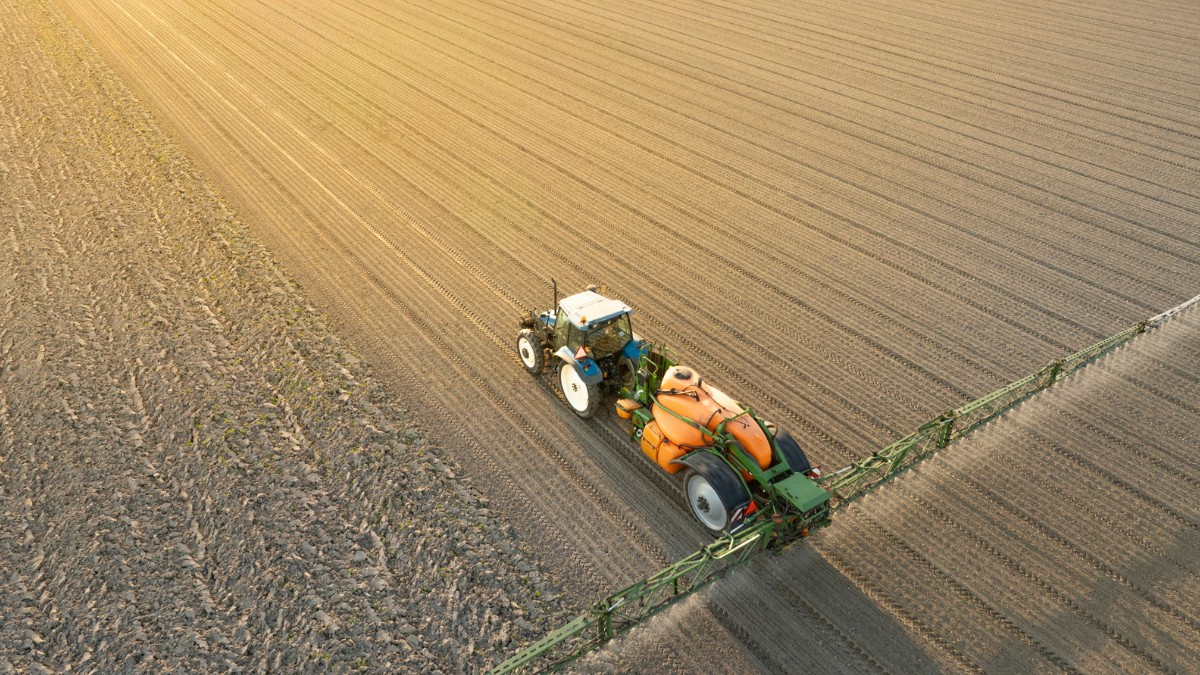
Biosolids. The term sounds unappetizing, and frankly, it should. It’s the leftover sludge from municipal sewage treatment. Every year, millions of metric tons of this nutrient-rich muck are spread across US farmlands. For decades, it was sold as a natural fertilizer alternative. A marvel of recycling, sure. Until we realized the catch.
The sludge is loaded with PFAS.
These are the so-called “forever chemicals.” They don’t break down. The carbon-fluorine bond in these molecules is fierce. It resists heat, water, and chemical reactions. When applied to soil, PFAS doesn’t disappear. It sits there. Building up year after year. And then? It spills into waterways. Or worse, it gets absorbed by crops. Moving up the food chain.
This isn’t just an environmental curiosity. It’s a health crisis waiting to happen.
The Hidden Cost of Contaminated Soil
Small farmers. Organic growers. They got hit hardest. They used PFAS-laced fertilizers long before anyone understood the full scale of the problem. Now, they’re stuck with the cleanup bill. And the bill is astronomical.
Current remediation techniques cost between $800,00 and $1.6 million per hectare. Do the math, and we’re looking at a national cleanup cost of roughly $8 trillion. Who pays that? Nobody. It’s impossible. So we keep farming on tainted earth, hoping for the best.
That’s why researchers at Yale University, led by environmental scientist Jake Thompson, have proposed a different path. Their method, published in the Proceedings of the National Academy of Sciences (PNAS), cuts the price tag down to about $29,000.
Wait, $29,000?
Yes. A fraction of the cost. And it actually improves the soil, rather than stripping it bare.
Why PFAS Are So Hard to Eliminate
To understand the fix, you have to look at the flaw. The EPA’s 2001 survey estimated that the US produces between 2,740 and 3,450 metric tons of PFAS in biosolids annually. Half of that ends up in agricultural soil.
PFAS are persistent. They accumulate. Human studies have linked exposure to cardiovascular issues, multiple sclerosis, fertility problems, and various cancers. Lab and animal studies back this up, showing reproductive harm. The links are still being investigated, of course. But the trend is clear: PFAS in the dirt where we grow food is bad news.
“Though this study is US-focused, PFAS are a challenge globally,” Thompson notes.
The old way to clean up? Dig it up. Burn it. Excavate the contaminated topsoil and incinerate it. Effective? Maybe. Sustainable? Absolutely not. You lose the topsoil. You release massive amounts of carbon dioxide into the atmosphere. It’s a short-term fix with long-term damage.
The Rock and Plant Solution
The new method starts with crushed alkaline rock. Basalt. Limestone could work too. You spread this rock over the contaminated fields. This process, called “enhanced weathering,” raises the soil pH to around 7.
Why does pH matter? Because it increases the mobility and bioavailability of specific PFAS, like PFOS and PFOA.
Once the chemicals are more active in the soil, you introduce hyperaccumulators. Plants like hemp or perennial grasses. These species are known for soaking up PFAS rapidly. They take the poison from the dirt.
Then comes the clever part. You harvest those plants. You subject them to pyrolysis. That’s a heat treatment without oxygen. The result? Biochar.
This biochar can be reapplied to the field. It acts as a sponge. It immobilizes any residual PFAS left behind, stopping them from transferring into forage crops for livestock or humans.
But there are questions. What happens to PFAS during pyrolysis? Recent studies suggest temperatures must hit at least 800°C (1,472°F) to sufficiently break down the chemicals. If you don’t get the heat right, you’re just moving the problem around.
The Carbon Balance
There is an economic equation here that extends beyond dollars. It’s about carbon.
Pyrolysis requires high heat. Transportation requires fuel. Both emit greenhouse gases. But the enhanced weathering process—the rock breakdown—draws carbon down from the atmosphere. Thompson and his team ran the numbers. The two processes balance each other out.
In fact, if the US adopted this process at scale, they estimate it could draw down 10.5 metric tons of CO2 every single year.
It turns out, fixing the soil can help cool the planet.
A Path Forward for Farmers
The science is still evolving. The fate of PFAS during the various stages of this treatment is not fully mapped out. But the potential is undeniable.
“This is a real pathway to actually give farmers some agency over their land,” Thompson says. “And leave the soil in better condition than it were before.”
For years, farmers were told to keep applying biosolids. Now, they’re being handed a way to undo the damage without going bankrupt. It’s not perfect. There are still unknowns regarding temperature thresholds and long-term soil dynamics. But it’s cheaper. It’s less destructive. And it might just be the only way we’re going to manage the forever chemicals we’ve already left behind.
Soil health improves. Costs drop. The chemicals are trapped, not just moved. Is that enough? Maybe. For now, it’s better than leaving them to sit.