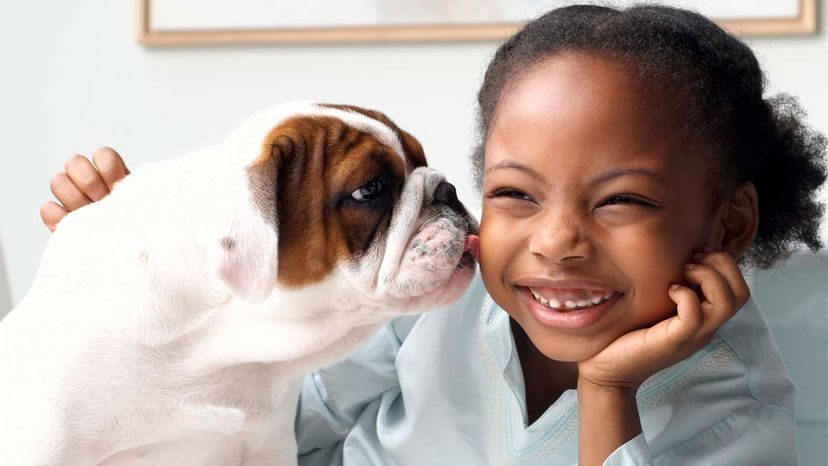
We humans consider kissing to be a universal love language. It’s a greeting, a statement or just a way to show you care. Pet owners naturally transfer this behavior to their animals. Hugging a cat or a dog’s wet nose feels like a hug. But let’s get serious for a second. When your dog licks your face, is he really saying “I love you”? Or is it something far more primal?
Dr. Stefanie Taylor, a veterinarian at Bullard Animal Hospital in Austell, Georgia, explains the messy and drooling reality of canine attachment. It’s not just one thing. It is a mixture of biology, psychology and simple habit.
Taste and Sensory Exploration
Dogs live in a world dominated by smells. Their tongues are just a finishing touch. By licking, they interact with their environment in the same way that humans use touch. It’s exploration.
Salt is a big attraction. After a workout, you’re salty. Your dog will notice. They might lick your hand just to get that flavor. It’s not about gourmet food. It’s all about chemistry.
But it’s not just sweat. Creams, soaps and other personal care products can trigger the same reaction. To us, a thick layer of moisturizer feels heavy and strange. It’s a puzzle. They’re trying to figure out what you’ve put on your skin.
Here’s the kicker: dogs don’t taste like us. Humans have about 9,000 taste buds. Dogs have about 1,700. This means that their sense of taste is about one-sixth as strong as ours. So you won’t enjoy a complex flavor profile. You notice lingering food odors or salt residue on your skin. It’s less about taste and more about information.
Beyond the Flavor Profile
If taste is only part of the equation, why do they do it so often? Taylor points to anxiety. Licking can be a self-soothing mechanism. It calms them down. It can also be learned behavior. If licking makes you look at them, talk to them, or even push them away (which they might interpret as attention), they’ll keep doing it.
And yes, sometimes it is affection. Dogs are social creatures. In wolf packs, licking is a sign of submission and bonding. Domestic dogs have not completely lost this instinct. They lick to strengthen their bond with their pack leader. you.
So if your dog comes at you with a wet, sloppy kiss, don’t over-romanticize it immediately. They can taste the remains of your morning coffee. They might be stressed about the vacuum cleaner. Or they just really like you. It’s probably a combination of all three.
The boundary between a greeting and a demand for attention is blurry in dog language. One minute they’re saying “hello”. Next they ask for dinner. And you just stand there, drooling, wondering if you’re being loved or being taken advantage of.
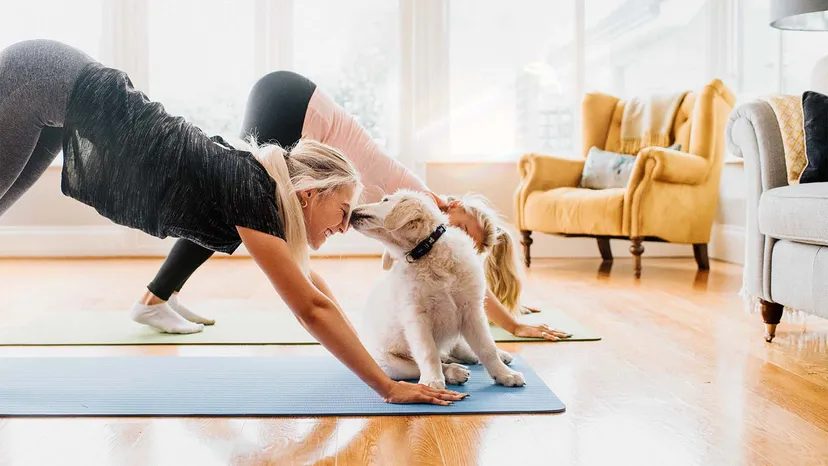
Comfort of a Lick
Licking is not just on a whim. It is an innate behavior.
Cats do it for hygiene reasons. Dogs? They do it for love.
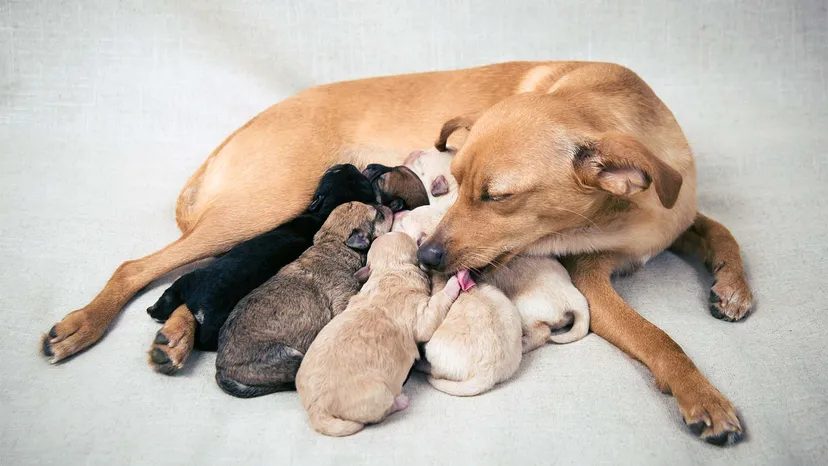
Female dogs groom their puppies for a specific purpose. It keeps the litter clean. It stimulates the functions of the bathroom. But most importantly, it builds a bond.
Science confirms this. The British Kennel Club points out that a mother’s lick triggers a chemical reaction in the puppies. Dopamine. Endorphins. The result is calm. Happy. Relaxed.
So when your dog licks your hand, don’t assume he’s just tasting salt.
It’s reaching back to that early comfort. It aims to provide the same soothing effect that protects them as newborns.
They aren’t just cleaning you.
They are comforting themselves. Through you.
It’s easy for hopeless romantics and dog lovers, myself included, to see these enthusiastic licks as nothing more than puppy kisses. Your dog will simply return the favor for all the love, food, treats and walks you give him. It is a tangible sign of gratitude.
But licking behavior is rarely just affection. It’s also a calculated method to get your attention.
Cycle of Reinforcement
The answer lies in your answer. What do you do if your dog licks you? You probably pet them. You engage. You give them focus.
This creates a feedback loop. They lick. You pet. They lick more. You pet more.
Dogs are smart enough to remember this cause and effect relationship. Later, when they want your attention, they’ll know exactly which button to push. Licking works. It produces results. It’s a learned behavior that pays off.
Dogs and human emotions
Dogs are also tuned into your emotional state. They know when you are sad or upset.
A 2018 Johns Hopkins University study, “Timmy’s in the Well: Empathy and Prosocial Helping in Dogs,” looked at this dynamic. The study found that dogs not only sense their owner’s emotions, but also actively try to help them. They “go through barriers” to provide comfort.
Licking is one of the barriers they cross.
So the next time your dog licks your face when you’re feeling down, it may not just be an invitation for a walk. It may be an attempt to calm you down. Or it could be a reminder that you need to pet him. Probably both.
When licking becomes a health risk
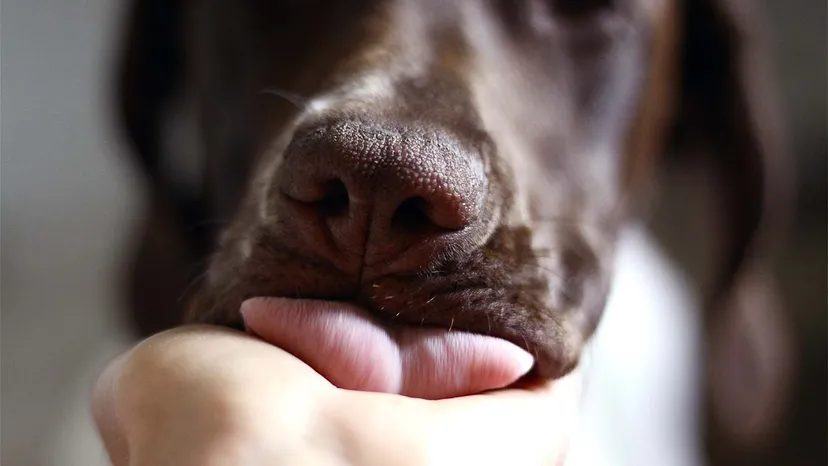
We have shown that licking is an instinctive behavior in dogs. This is their main dialect. But not every lap are love letters. A moist tongue can be a symptom of tension, stress and anxiety. In that moment, you are more than just a friend. You are a security blanket. The licking motion can calm them down.
So when should we draw the line?
It’s a personal boundary call. However, expert Taylor suggests an equally hard and fast rule. keep licks away from your mouth You never know where that tongue was. It’s not just about the gross stuff you can imagine. This time we are talking about pathogens. Staphylococcus, E. coli and salmonella can be transmitted from dogs to humans.
It is a long-standing myth that dog saliva is sterile. It’s not.
WebMD’s Fetch points out that while a dog’s tongue has some antibacterial properties (which help with grooming), this is not the same as a disinfectant. Don’t let the myth of the “clean dog” lull you into a false sense of security.
Sudden Changes Signal Medical Issues
行为就是数据。
英国养犬俱乐部指出,舔舐习惯因品种和个体而异。 有些狗是舔者。 有些则不然。 但这种行为的突然激增是一个危险信号。
如果你的小狗从occasional laps到不断舔舐,这可能是身体上的。 过敏。 他们试图抚平的伤痛。 甚至关节炎疼痛。 心灵和身体是相连的。 当身体受伤时,行为就会改变。 如果您注意到这种转变,请致电您的兽医。 别猜。
打破习惯
如果你想停止舔舐,你可以像对待其他不良习惯一样对待它。 一致性是唯一重要的指标。
泰勒推荐了一个简单的协议:
- 使用坚定的“不”。
- 撤回被舔的身体部位。 立即取消奖励。
- 如果狗出现这种行为,请用身体将其推开。
- 重新引导能量。 提供一个玩具。 一次干扰就打破了这个循环。
- 当他们停下来时,大力表扬他们。 积极强化比单独惩罚效果更好。
- 洗手。 总是。
- 保持一致。 如果你有一天允许它,第二天就责骂它,你就会让狗感到困惑。 你什么也没教给他们。
我曾经亲吻过一只狗。 我还是喜欢它。 旧习惯很难改掉。
为什么狗会舔:机制
当狗喝水时,它们的舌头不仅仅是伸进去。它的作用就像勺子一样。 舌头向下方折叠,形成一个类似勺子的instrument。 它用力将水吸入口中。 这是物理学和生物学协同工作的迷人展示。