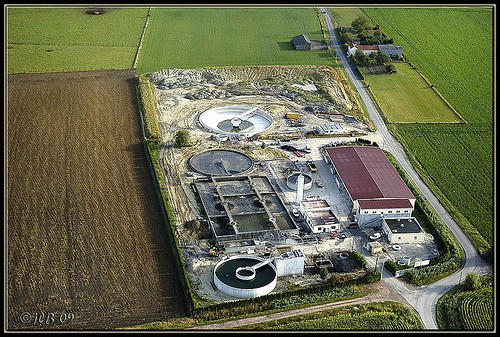
Wastewater is simply the water that flows out of our cities and industries. It carries everything from toilet flushes to factory runoff. If we dumped this directly into rivers or lakes, we would poison the ecosystem. So, it gets treated. It goes through a station to remove the nasties before it hits nature again.
But here is the twist. We do not just throw this water away. We have found uses for it. And no, you are not drinking it. The health risks are far too high for that. But for other tasks? The quality bars are much lower.
Turning Waste Into Renewable Energy
Before wastewater even gets fully cleaned, we can extract energy from it. The secret lies in the organic matter floating in the sludge.
We put this stuff into digesters. The bacteria eat the organics. They burp out biogas. This is renewable energy derived from biomass. It is not just recycling water; it is recycling power. We are turning a pollution problem into a fuel source.
Who Actually Uses Treated Sewage?
Think of treated wastewater as “used water.” It is cheaper than drinking water. Municipalities love it because it saves money. Different sectors use it for different purposes, none of which involve your faucet.
Agriculture is a big one. Farmers use it to irrigate crops. Golf courses use it to keep their greens lush. This works because the water is less expensive and actually loaded with nutrients. Plants love extra fertilizer, especially if it is free.
Local governments are also heavy users. They spray it on public parks. They use it to wash streets. They even keep reserves for fighting fires. It is not pure, but it is wet and cheap.
Industries do not skip out either. Factories use it to clean equipment. They use it to transport materials. They do not need sterile water for their machines. They need volume.
Is This Practice Common Everywhere?
You will not see this everywhere. It is most common in places where water is scarce. When you are thirsty, you drink what you have.
Take Mexico City as an example. They reuse nearly 100% of their wastewater. They use it to irrigate about 85,000 hectares of farmland. That is a massive operation. They have no choice. The droughts are too severe to ignore alternative sources.
But there are risks. Soil can get contaminated. Groundwater can suffer. Vegetation can absorb too much. So, the water must meet strict quality criteria. These standards are not as tight as for drinking water, but they are not zero. You still cannot just spray raw sewage on a salad.
The technology exists. The economics make sense. The only barrier left is often just public perception. Can we get comfortable with the idea that our city’s water has a second life? Or at least a second use?