The Atlantic is getting weaker. That’s not good news for California.
A storm hitting the West Coast doesn’t always start locally. It can begin thousands of miles away. In the ocean. A new study maps how shifts in Atlantic circulation might redirect moisture toward Los Angeles or San Francisco while Greenland sees less snow.
It involves the Atlantic Meridional Overturnian Circulation, AMOC. You might not have heard the full name. You probably know what it does. It pulls warm tropical water north. Keeps Europe cozy. The water cools down, sinks, and flows back south. It’s the ocean’s conveyor belt.
Now that belt is jamming.
Researchers at the University of California Riverside ran some models. They looked at what happens when the AMOC slows. The results? Changes that don’t stay in the Atlantic. The ripples go across North America. South America. Antarctica. Even the Arctic.
Mohima Mimi is a doctoral student there. Lead author on the paper. She says the AMOC is obviously slowing down. Nobody argues with that. But no one was sure how it would mess with atmospheric moisture elsewhere.
Turns out it changes the game for North American storms.
A Weaker Current Changes the Path
Published in Nature Communications. The study traced the link. Weaker AMOC means different ocean temperatures. Temperature shifts mean air can hold more or less vapor. It also messes with high-altitude winds. The ones that steer storms across the hemisphere.
Those winds get stronger in the models. They grab more moisture. They drag it to California.
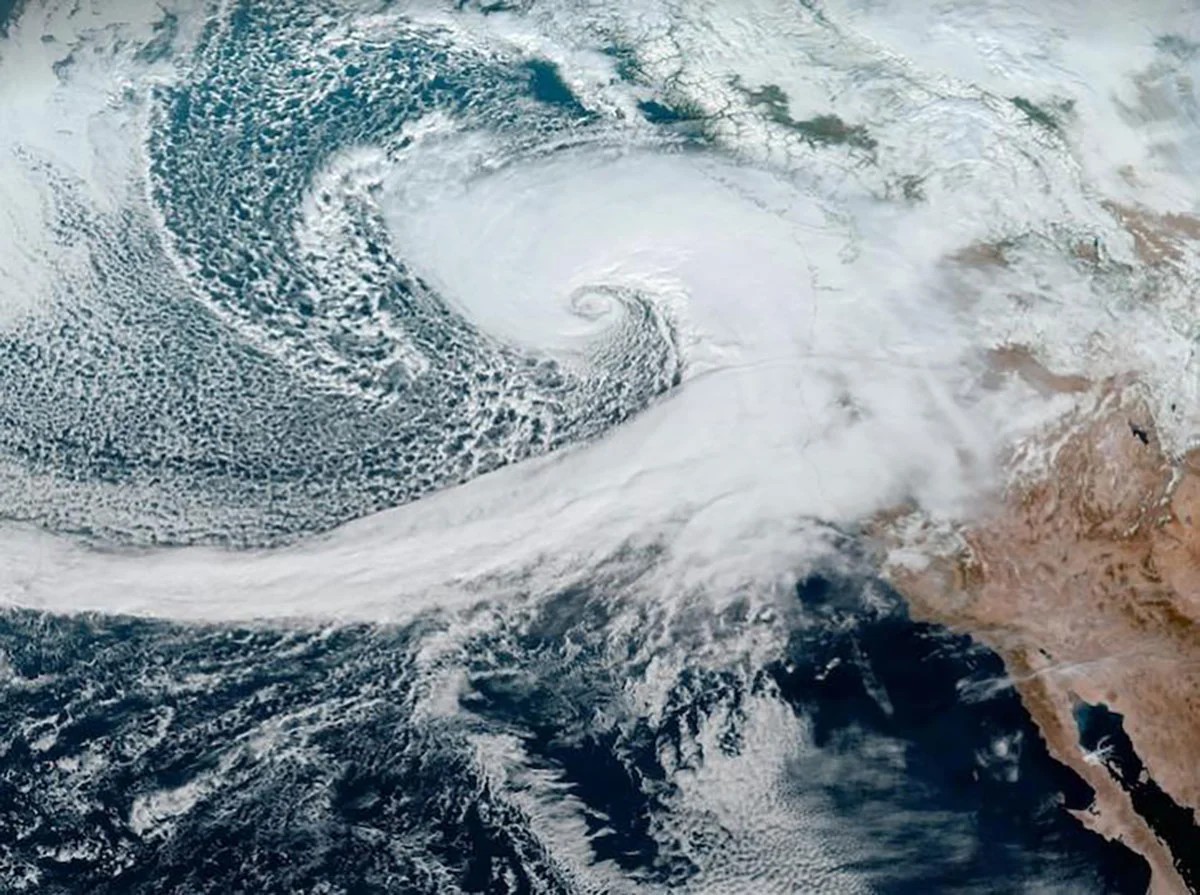
Atmospheric rivers. You’ve heard the term. Long thin strips of water vapor. Moving tropical stuff north. They’re necessary. California runs on them. But the strong ones flood cities. Cause landslides. Destroy infrastructure.
Mimi calls them a double-edged sword. They fill reservoirs. They also wreck towns. If they get stronger… well. You can imagine.
Storms Shift Everywhere
Not just California.
Models show atmospheric rivers becoming common along South America’s eastern coast. Around Antarctica too.
Greenland is the opposite. Fewer storms reach it. Snowfall drops. Less ice added. A net loss.
All based on high greenhouse gas emissions. The AMOC keeps weakening until the century ends. We see the signs now. Humans are warming the planet. Burning coal. Oil. Gas.
Methane from cows helps too. Deforestation. Waste. Industrial output. It’s all adding up.
Wei Liu is an associate professor. Senior author on this. He says cutting emissions is key. It could limit how much the AMOC breaks down. Less disruption. More stable rainfall.
Can We Adapt?
Stronger atmospheric rivers mean bigger floods. They also mean more water. More than one way to skin a cat here.
Forecasts get better. We store more. Reservoirs expand. We manage the deluge.
This isn’t an Atlantic problem anymore. It’s a global weather reshape. Drinking water changes. Agriculture suffers or booms depending on luck. Flood control budgets balloon. Ice accumulation shifts.
Knowing the chain of cause and effect buys time. Mimi puts it plainly. These connections help us prepare. For water changes. For extreme weather.
Who knew a slowing current could so thoroughly rewire the weather?
Reference: “Atlantic meridional overturning circulation slows atmospheric rivers in warmer climate,” Nature Communications.