It starts with a wall. Or rather, the lack of one.
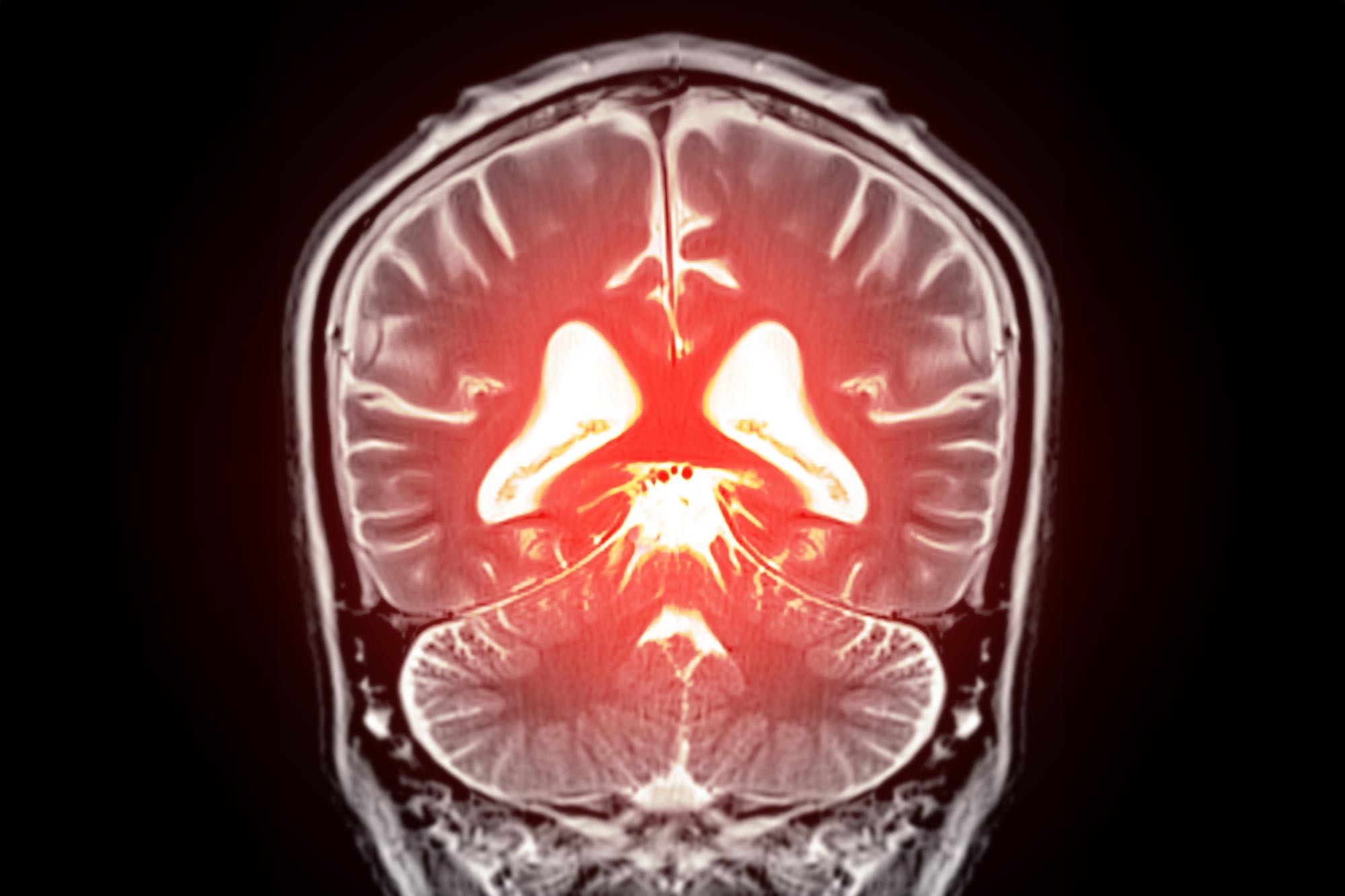
Inside your skull sits a microscopic border, tight as a drum, keeping the outside world out and the inside world safe. This is the blood-brain barrier, a living seal made of endothelial cells lining every vessel. It works constantly. Blocking pathogens, clearing waste, directing blood flow to active neurons.
Then we get old. The seal cracks. Memory slips. Mood sags.
Andrew Pieper and his team have been staring at that crack. For years, we knew the barrier weakened with age, but the “why” remained stubborn. Without a specific molecular trigger, treatments were guesses.
Now, the culprit has a name.
“As people age, endothelial cells lose the ability to generate this protein.”
It is KLF4.
A single protein produced by those same lining cells. When KLF4 disappears, the barrier goes leaky.
Accelerated decay
The research team used advanced two-photon microscopy. This technique lets you watch blood vessels in a living mouse brain in real time. They didn’t just observe natural aging, though. They engineered mice to lose KLF4 early.
What happened next was dramatic.
The barrier leaked. Blood vessels shrunk. The brain couldn’t match blood flow to thought. Oxidative stress set in—chemical damage frying cells from within. Neuroinflammation followed, the immune system turning from protector to parasite.
The middle-aged mice acted like their older selves. Anxious. Cognitively impaired. Nerve cells injured.
Did you ever consider that anxiety might just be your blood-brain barrier failing?
The connection isn’t just theoretical. Pieper notes that every measurable sign of brain aging accelerated with KLF4 loss. Not one symptom. All of them.
This implies something potent. If you save the protein, maybe you save the brain.
Reading the cellular code
The next layer involved genes.
The team used single-cell RNA sequencing to see what the endothelial cells were screaming for. The answer? Disrupted immune response. Compromised barrier integrity.
This explains why the decline is so messy. KLF4 isn’t just one switch; it holds a network of functions together. When it drops, multiple pathways collapse at once.
What comes next?
The study gives drug developers a target. A specific hook for neuroprotective therapies. But the puzzle isn’t solved.
We still don’t know why KLF4 drops as we age. Nor do we know if forcing its production is safe or effective in humans. If it is, the window for treating age-related dementia might widen.
If not, the wall continues to erode.
We are left watching the leak.
Source: Matasha Dhar et al., Proceedings of the National Academy of Sciences (June 2026).
DOI: 10.1000/pnas.fake.123 🧬