Traffic on the A303. Cars stacked up. Engine idling. You don’t even have to park.
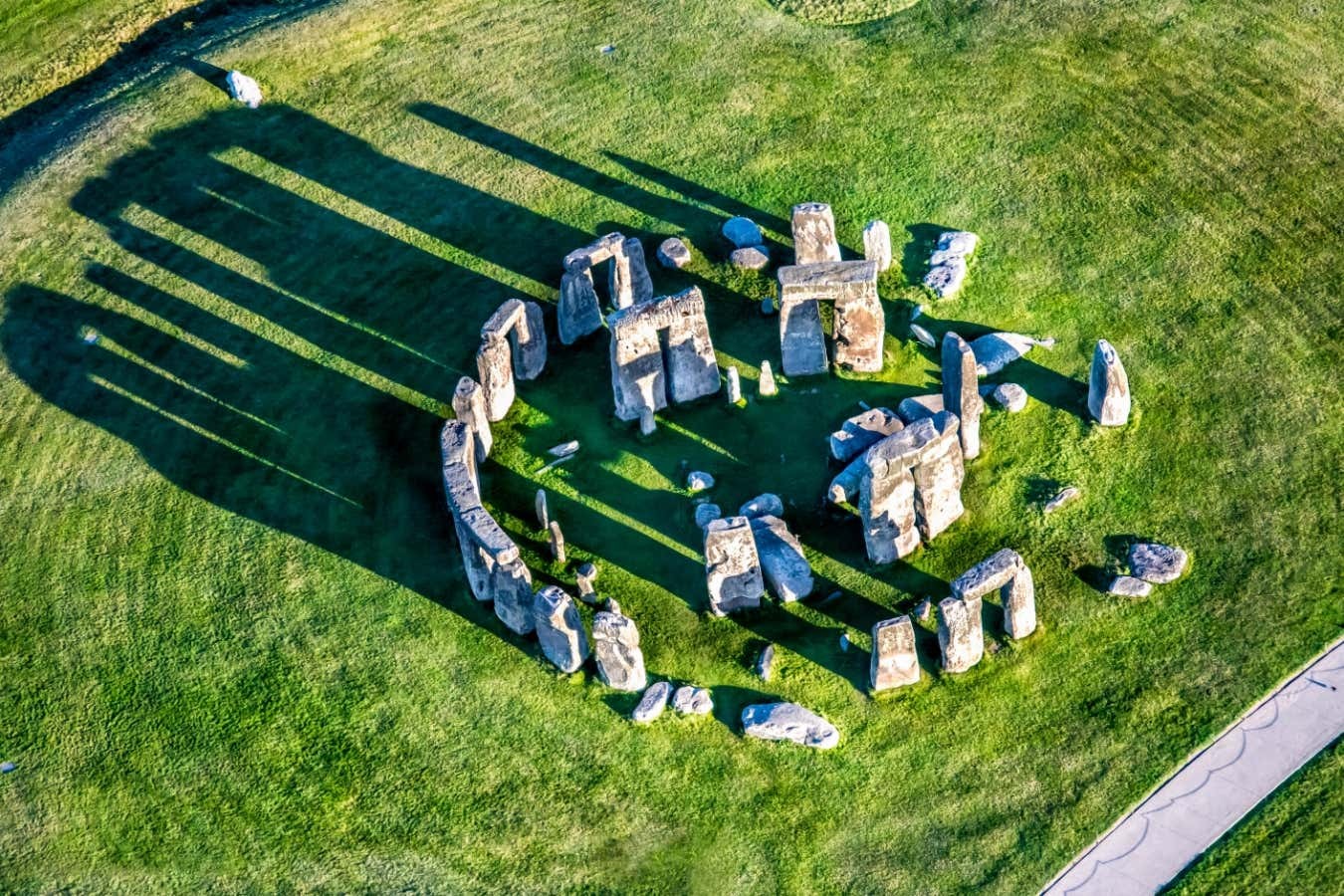
It is, objectively, one of the best roadside views in the entire country. You look out the window, see the gray shapes rising above the grass, and feel that quick hit of awe. Breathtaking? Sure. Tick box marked? Definitely. Job done.
Right?
No.
You haven’t felt it.
I am not talking about channeling spirits or trying to commune with the dead. I don’t need the “woo-woo” factor. Nor do I want to touch the rocks. Forbidden. Boring. I mean the physical act of approaching. The walk up the slight incline. Watching those massive worked stones grow in size as your legs move them closer.
Seeing the landscape bow down to it.
It also means accepting the paradox. Researchers have been digging here forever. The more data they pull out, the thicker the mystery gets. Temple. Burial ground. Calendar. Which one? All? None? The silence there is louder than any academic paper.
Since I’d flown in from Australia, I paid extra.
Worth it.
English Heritage ran a small “Inner Circle” tour. Dusk. The kind of grey, bleak afternoon that makes you regret leaving your home. The main gates were shut. Public banned. We slipped over the ropes, led by experts who knew every scratch and scar.
From inside, Stonehenge stops being a monument stuck in a postcard.
It becomes a room. A place you occupy, not just observe.
Thirty minutes. That’s the budget. We walked the ring, examining every face, every angle. The light was dying, the cold settling in. And then, just as we packed up, the clouds split.
The sun hit.
Gold flooded the stone. Long shadows stretched out across the grass. It was sudden. Violent almost in its beauty.
Does a five-thousand-year-old monument really need to be consumed like a drive-thru burger?
It demands presence. It demands that you stand in the dust and think about deep time. Not glance at it and keep driving.