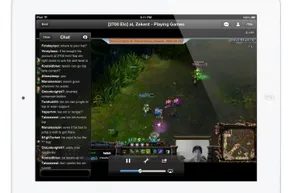
Twitch didn’t invent the idea of broadcasting gameplay. It just perfected it.
Before Twitch became the undisputed king of live gaming, there were other places to stream. Justin.tv was actually Twitch’s parent company, essentially birthing the platform from a general video stream site. You could also broadcast on Ustream.tv, use Google Hangouts, or upload to YouTube.
YouTube remains the heavyweight champion of video hosting. It’s chock-full of “Let’s Play” videos—pre-recorded gameplay commentary that built massive audiences. Look at Felix Kjellberg, better known as PewDiePie. His channel boasted over 27 million subscribers, beating even YouTube’s official corporate channel. That’s insane scale. Then there’s Machinima, a multi-channel network that pulled in more than 11 million subscribers with its game-related serial fiction.
But YouTube Live, the platform’s streaming arm, was playing catch-up. It had dedicated gaming channels, sure. But it wasn’t built for the real-time, interactive chaos that gamers craved.
Why Twitch Surpassed YouTube and Netflix in Traffic
Twitch stood out because it was dedicated entirely to gameplay. No cat videos. No cooking tutorials. Just games. And that focus paid off.
By early 2014, Twitch was punching way above its weight class in terms of internet traffic. During the week ending February 3, 2014, Twitch accounted for 1.8 percent of all peak web traffic by bandwidth. That ranked it fourth globally.
Think about who beat it. Netflix. Google (which includes YouTube). Apple.
Who did Twitch beat? HBO Go. Hulu. Facebook. Valve. Amazon.
Those are giants. Twitch was outscreaming them on raw data usage. Another data point from Qwilt showed that during the week of April 7, 2014, roughly 44 percent of all live streaming web traffic went through Twitch. Nearly half.
The numbers suggested one thing: live game streaming wasn’t a fad. It was becoming infrastructure.
The Twitch Ecosystem: How It Works and Pays
So how does a platform that started as a side project become this dominant? It’s about the mechanics. The community. And for the lucky few, the money.
Twitch allows streamers to share their screen with fans who can hear and watch them live.
It’s immediate. It’s visceral. And it’s free to join. You don’t need an account to watch most streams, though you do need one to stream yourself or chat.
But if you’re looking to make a living, the math gets tricky.
Do Twitch streamers make money?
Most don’t. The majority of channels earn zero dollars. But the top tier? They’re printing cash. Expert streamers playing around 40 hours a week can rake in $3,000 to $5,000 a month. The average payout is roughly $250 for every 100 subscribers. The absolute top four streamers are estimated to earn between $2 million and $5 million per year.
That’s a steep curve.
How do you start a channel?
It’s straightforward. You sign up on a computer or mobile phone.
On a PC, you go to twitch.tv, click Sign Up in the top right, and fill in your username, password, email, and birthday. On mobile, you download the app, tap Sign Up, and enter your details including a phone number. Twitch sends a six-digit code to verify you. You type it in. Done.
Where can you watch?
Twitch isn’t just a website. They have desktop apps for macOS and Windows. They’ve integrated with almost every screen imaginable. Chromecast. Apple TV. Fire TV. Even directly into your gaming consoles.
The barrier to entry is low. The barrier to success is high. But the platform? It’s here to stay.