The school holidays are here. Six weeks of unpaid childcare await parents who are somehow expected to keep working and maintain their sanity. You can bake sourdough, or build elaborate dens in the living room. By day three, that den isn’t an adventure base. It’s a hiding spot from your own kid.
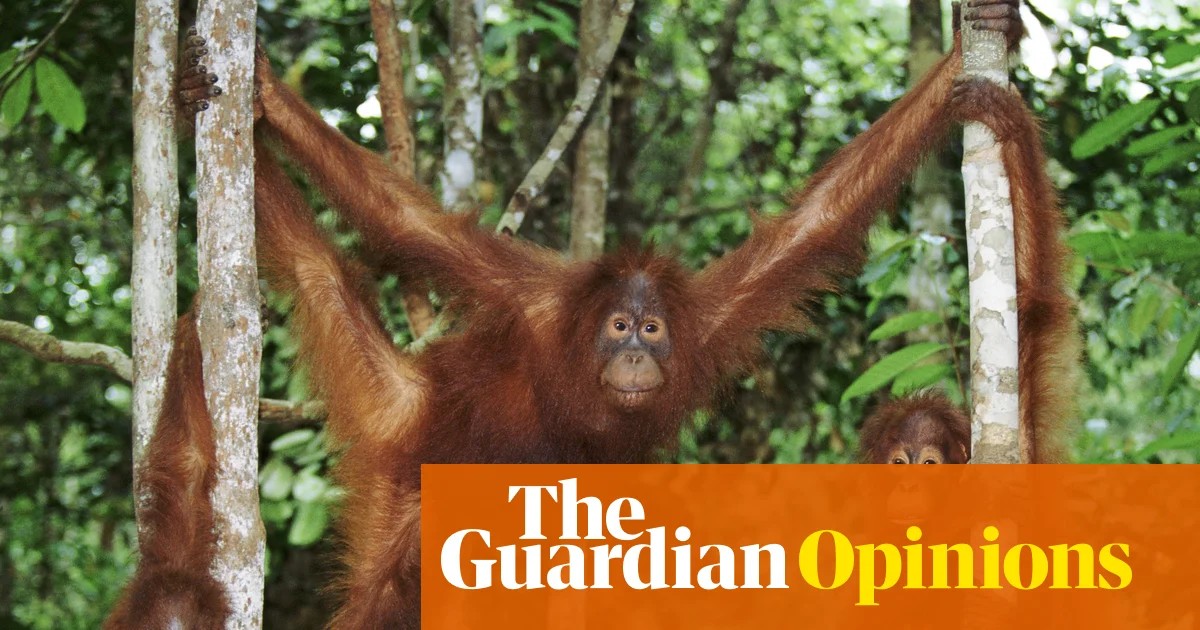
The solution isn’t more activities. It’s abdication. A playdate lets you drink tea while it’s still hot. And it turns out you aren’t unique in this desire for relief. Orangutans, the solitary giants of Borneo, have discovered the same strategy.
Why orangutan mothers organize playdates
Orangutans don’t do crowds. They are solitary creatures. Moms raise single infants for up to seven years with zero help. No partners. No babysitters. No Bluey. Given that isolation, you’d think they’d avoid other juveniles entirely.
They don’t.
A major study analyzed 30,000 observation hours from 31 wild mother-offspring pairs in Borneo. The data was clear. Mothers intentionally traveled into the territories of other females with similarly aged babies. The kids played. The moms watched. Then everyone went home.
It’s not free labor. These trips cost energy and time. Feeding gets delayed. So why risk it?
The science behind animal play
Play is everywhere. Baby Barbary macaques wrestle. Bear cubs tumble. It’s not just mammals either. Octopuses manipulate toys. Sharks play with beach debris.
This behavior is most common in socially complex species. Usually, it happens by accident. Adult brown bears gather at salmon streams. Their cubs run wild. Adult spider monkeys sit to groom each other. Baby monkeys fool around underneath. It’s the animal equivalent of parents chatting over coffee while the kids play under the table.
Orangutans break the pattern. Their play isn’t a byproduct of adults hanging out. It is an organized event. Mothers make it happen.
This suggests play serves a vital function. For young animals, it’s practice. It teaches communication, cooperation, and conflict resolution. It tests physical limits.
The stakes are real. Brown bear cubs who play more survive longer. Playful male bottlenose dolphins father more offspring later in life.
Adults play too
We mistakenly assume play belongs only to childhood. Animals disagree. Adult corvids snowboard off roofs. Bumble bees roll wooden balls. Many species keep playing long after they’ve mastered survival.
Play helps adults navigate chaos. It builds resilience. It fosters creativity under pressure.
Researchers Xiangyou “Sharon” Shen and Zoe Crawley studied human playfulness during the pandemic. They found that playful adults coped better with lockdown. They didn’t ignore stress. They didn’t wear rose-tinted glasses instead.
Playful people simply found creative workarounds. They remained optimistic. Playfulness acts like a spotlight. It highlights certain aspects of an environment while ignoring others. It doesn’t remove stress. It changes how you experience it.
Find your own playdate
This doesn’t mean you need to chase your kids through the yard. Playfulness is about flexibility. It’s about curiosity. It’s less about the activity. More about the approach.
The next six weeks will test you. Parents shouldn’t just organize playdates for their children. They should make room for play themselves.
Messing around isn’t a sign that life is trivial. It might be the only thing keeping you from losing it completely. Just don’t let the den win.