They stick their tongues out when happy. It turns out, at least.
For a long time, we thought bees were just efficient robots. Small drones buzzing around, collecting data, ignoring everything else. New research suggests they have subjective experiences. Not quite human emotions, but something real.
Insects don’t have floppy faces like us. No eyebrows to raise in surprise. No smiles. Their bodies are hard shells. So how do we know if they feel anything? Andrew Barron at Macquarian University in Sydney decided to find out.
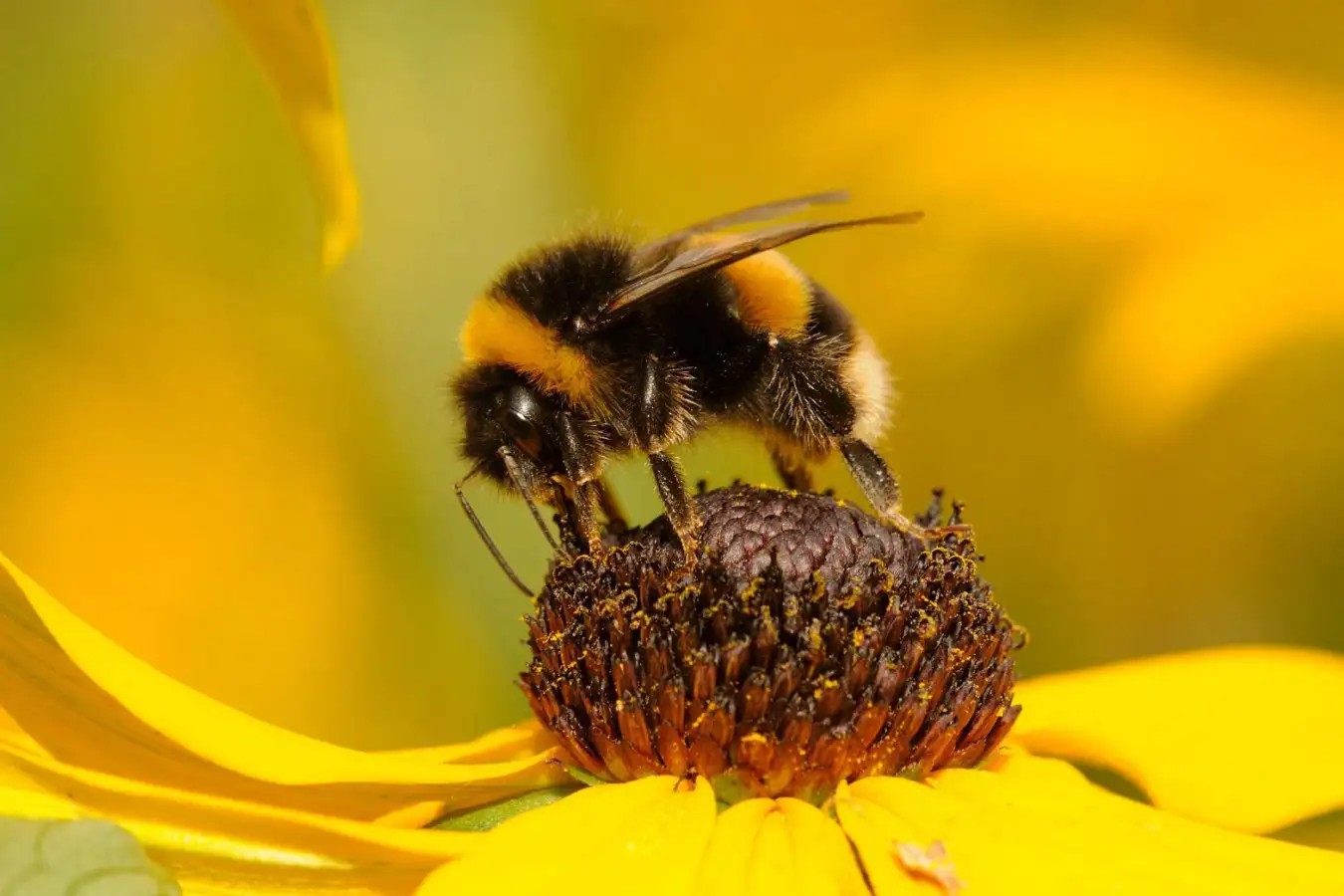
He worked with buff-tailed bumblebees (Bombus terrestris ).
Here’s the setup: high-resolution video. Three liquids. One was sugar water. The other two were salt and quinine. Bitter and salty. Unpleasant.
When the bees tasted sugar? They stuck out their glossa (that’s their hairy tongue). Again and again.
When they tasted salt or quinine? They wiped their mouths. Shook their heads. A clear “no thanks” gesture.
Easy interpretation: They like sugar. They dislike bitter stuff.
But Barron wasn’t convinced that was the whole story. Maybe it was just a chemical reaction. A reflex. To prove it was an internal state, he had to mess with their hunger and thirst.
He dehydrated the bees by exposing them to 40°C heat. 104°F.
Then he offered them salty water.
Normally, they hate it. But dehydrated? They stuck their glossas out repeatedly.
“It’s because your internal state has changed… that’s what we think we’re seeing in the bees.”
Think about that next time you finish a run. You grab a sports drink. It tastes awful if you’re full and rested. It tastes like life itself if you’re thirsty. The bee isn’t just reacting to the molecule. It’s evaluating the value.
To separate “wanting” from “liking,” the team used chemicals.
First, dopamine. In humans, dopamine drives the desire to seek rewards. When bees got a dose of dopamine, their motivation to find food might have gone up, but the tongue-protruding didn’t happen. They didn’t enjoy the taste more, even if they wanted the food more.
Then they used endocannabinoids. This chemical is linked to the “liking” part of pleasure in mammals.
Boom. The tongues came out more often. The enjoyment signal increased.
So yes, they feel. Or rather, they process the world with a layer of subjectivity. It’s not robotic.
Is it human-like emotion? Probably not.
Ralph Adolphs from Caltech points out the obvious: facial expressions don’t create emotion. Actors fake them. People with facial paralysis still feel grief and joy.
“Bees have bee emotions,” he says. Not ours. Different wiring, different output. But the evidence is solid. They represent value flexibly.
Jonathan Birch from the London School of Economics sees a bigger picture here. We’ve been underestimating bugs for centuries. This study is rare. It disentangles want from like. It shows that high-tech tools, like super slow-motion cameras, can reveal what our eyes missed.
The world isn’t just a collection of blind inputs and programmed outputs.
Even for a bug with a mask of a face.