Stromatolites found.
In an impact crater.
South Korean researchers say the biggest killers on Earth might have been its earliest hosts.
Hydrothermal Havens
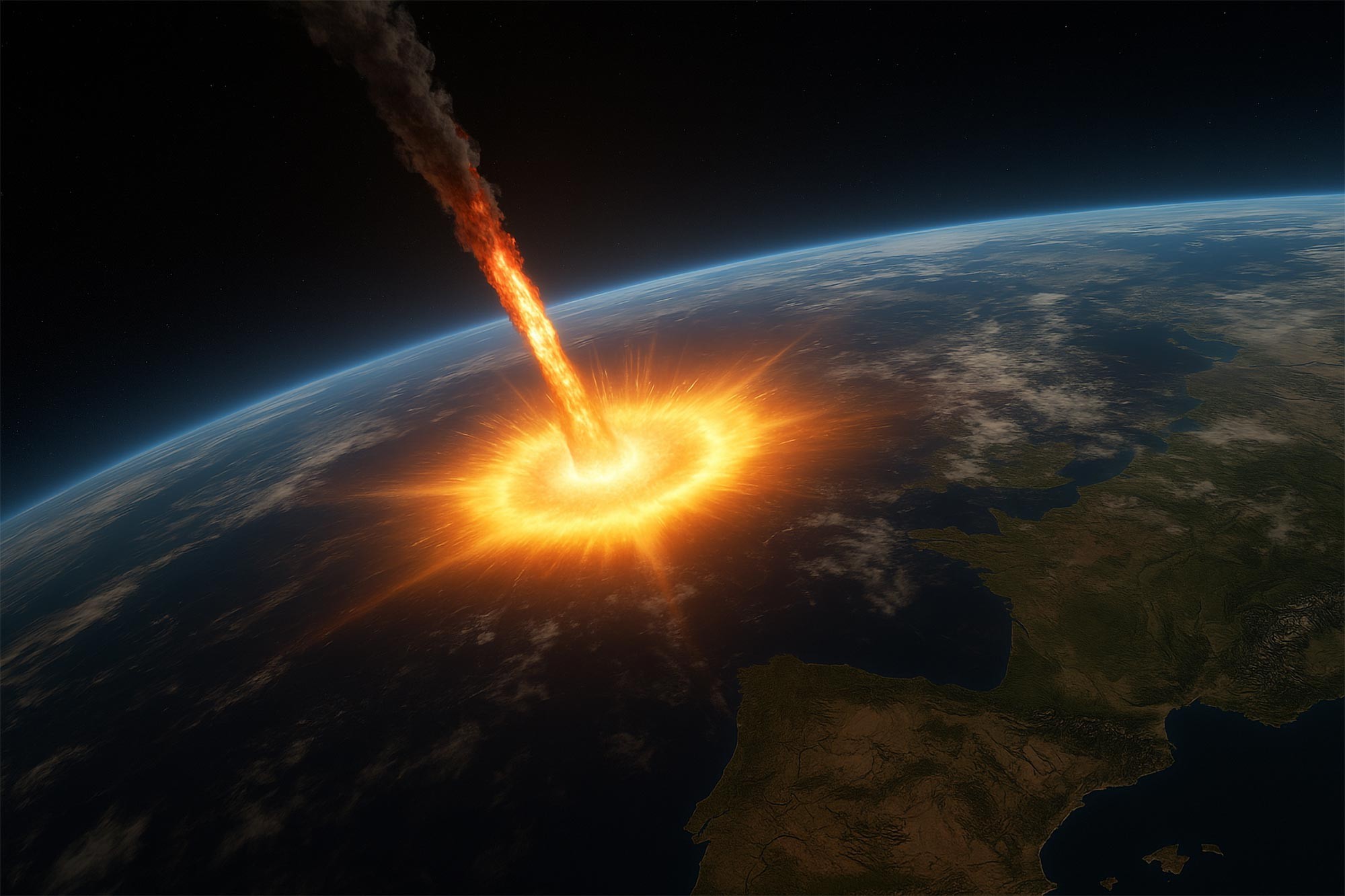
Korea Institute of Geoscience and Mineral Resource scientists (KIGAM) looked into the Hapcheon impact crater. The only confirmed asteroid strike on the Korean peninsula. There, tucked in the northwestern edge, they found something old. Layered rocks formed by microbes. Stromatolites.
They measured 10 to 20 cm wide. Roughly. But their significance is huge.
How did they survive?
Heat.
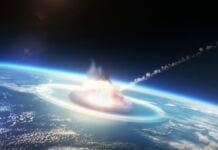
When the asteroid hit it didn’t just break things. It made a lake. A hydrothermal one. Molten rock kept the water hot and packed with minerals for a long time. Warm. Wet. Rich in chemistry. Exactly what early life craves.
“This is the first comprehensive evidence suggesting that craters could form stromatolites.”
Dr. Jaesoo Lim knows the drill. Lead author of the piece in Communications Earth & Environment. He calls it a favorable condition. Maybe a home.
The Great Oxidation Twist
Remember the Great Oxidation Event? Roughly 2.4 billion years back. The air got heavy with oxygen. Cyanobacteria started pumping it out. But where were they hanging out?
These craters? Probably their safe rooms.
Localized “oxygen oases” the team calls them. Protected pockets before the planet suffocated with breathable air. The chemical signatures in the rock tell a hot story. High temperature water altered the layers. The inner rings got cooked harder than the outer ones. It cools down gradually. A natural thermostat for life.
This adds weight to earlier KIGAM work. Back in 2021 they confirmed the crater existed. Now they found the life.
Look at Mars
Should we be looking elsewhere?
Probably. Early Mars had impact craters. Some held water. If Earth’s craters brewed oxygenating microbes why wouldn’t the Red Planet’s have done the same?
Search there first.
It changes the map of the solar system’s history. Destruction creating preservation. Heat cooling into life. We used to think asteroids wiped us clean. Now it seems they planted the seed.
What if we are aliens? Brought down from space? Or just… recycled space dust.