It is going to happen.
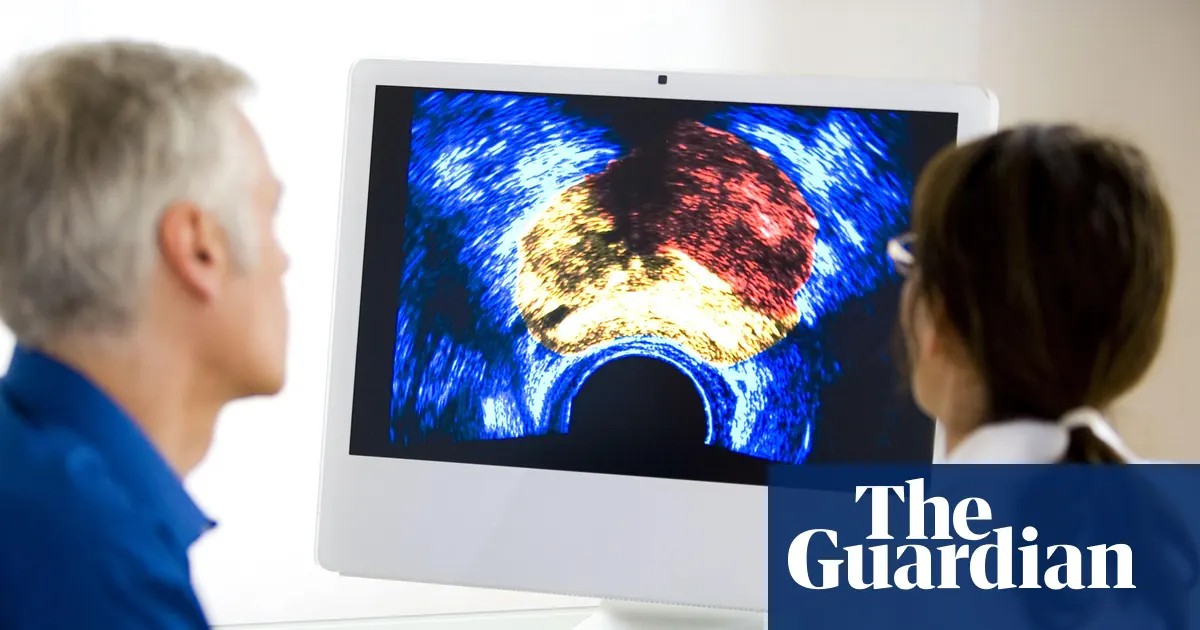
The UK National Screening Committee has finally said it. Most men should not be screened for prostate cancer. If the government listens to these experts, the widespread rollout of PSA testing will not occur. They believe the harm outweighs the good.
Prostate cancer is still the most common cancer in men in the UK.
Over 64,000 diagnoses every year. That is a staggering number, yet there has never been a national screening programme for it. The committee looked at all the new evidence available and reached a conclusion that some will hate.
Screening was “likely to cause more harm than good”.
It sounds harsh, doesn’t it? But look closer at the details.
There is one exception. Men with the BRCA2 gene variant.
If they have a family history of breast ovarian pancreatic or prostate cancers, the committee wants them screened. Every two years. From age 45 to 61. Why? Because the cancer is more common in them, starts earlier, and tends to be aggressive.
For everyone else, it is a hard no.
Even black men. Even though they face higher risks, the uncertainty is too great. The committee isn’t sure if screening actually helps them more than it hurts them. And the hurt is real.
Incontinence.
Erectile dysfunction.
Men who don’t even need treatment suffer these consequences. It is the price of overdiagnosis.
Sir Chris Hoy will not be pleased.
Neither will David Cameron. Or Sir Stephen Fry. High-profile campaigners have been shouting for this for years, pointing out how many men die. The chair of the committee, Prof Sir Mike Richards, gets it. He knows people are angry. He knows families are broken by this disease.
But here is the tricky part.
“Screening can reduce deaths … to a small extent. It does not improve overall survival.”
Richards explained the mess. Once you find cancer, you still cannot reliably tell if it is dangerous or harmless.
We cannot separate the wheat from the chaff.
So we treat them all. And treatment has lasting side effects. MRI scans before biopsies helped a little, but levels of overdiagnosis remain stubbornly high. Men live full lives with prostate cancer, often without ever knowing they have it.
Is finding it worth ruining their quality of life?
The committee thinks no.
The BRCA1 gene variant was kicked out of the plan, too.
Previously, the draft included them. Now, two large studies show their risk is significantly lower. Anneke Lucassen from Oxford explains that old data couldn’t tell BRCA1 and BRCA2 apart. Now we can.
What if you are worried?
Prostate Cancer UK suggests speaking to a GP. There is a spit test or a blood test to check for genetic variations.
Only 1 in 300 people have BRCA variants. But for Ashkenazi Jews, it is 1 in 40.
Free testing exists in England if you have Jewish grandparents.
Still, the UKNSC estimates only “a few thousand” men will end up on this screening list.
Richards admits there are gaps. Especially for black men.
The question isn’t just about risk. It is about aggressiveness. Does the cancer behave differently? We need data.
The Transform trial aims to get that data. Launched by Prostate Cancer UK last year. Richards insists it is “particularly important” that black men participate. We cannot just guess.
James Murray, the new health secretary, is meeting the committee.
The government says they will “give full and careful consideration.” They haven’t decided yet.
Cancer Research UK wants the government to accept it. Dr Ian Walker says decisions must follow evidence. If benefits don’t outweigh harms, we shouldn’t screen. Period.
But Prostate Cancer UK is devastated. Chiara De Biase calls the recommendation deeply disappointing.
“Without a screening programme … we lose more than 12000 dads brothers and partners every year.”
So the debate continues.
Evidence against desire.
Science against emotion.
Most men will not get the test.
Whether that is a mercy or a mistake remains to be seen.