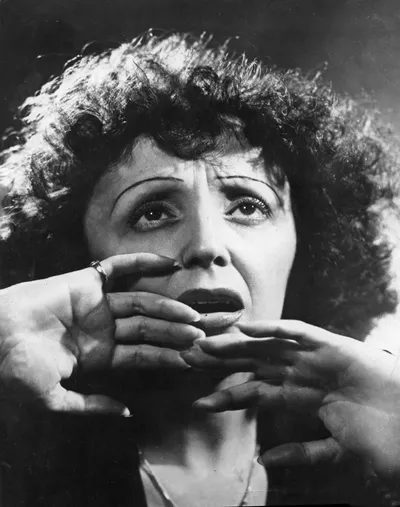
Edith Piaf didn’t just sing. She bled onto the stage.
Born Edith Giovanna Gassion in 1915, this Parisian icon turned raw pain into the most famous chanson in history. Her voice was tiny. Her spirit? Indomitable.
She gave the world “Non, je ne regrette rien” and “La Vie en rose.” That second title isn’t just about pink skies. It’s an idiom. It means seeing life through rose-colored glasses. Optimism forged from heartbreak. Piaf’s songs are the soundtrack to that duality. Global fans still revere her. Decades after her death.
The Date of Death Mystery
Her official records say October 11, 1963. In Paris.
That’s a lie.
Piaf died on October 10. At her villa in Plascassier. Near Grasse. That’s 423 miles southeast of the capital.
Why the fake date?
Burial wishes. She wanted to rest near her father and her dead daughter at Père-Lachaise Cemetery. Paris.
Her associates played a grim game of logistics. An ambulance picked up her body in the late afternoon of October 10. The cover story? Transporting the sick singer to a hospital.
They drove to Paris. The death certificate got signed the next day. October 11.
Biographer Carolyn Burke (No Regrets: The Life of Edith Piaf, 2011) confirms the timeline. Piaf died a day early. But the paperwork waited.
Born Into the Margins
Her melancholy style wasn’t an act. It was a reflection.
She grew up in poverty. Her mother, a café singer, dropped her at birth. Gone.
Grandmother stepped in. She raised Edith in a brothel.
Blindness struck at age three. Meningitis. A complication. Four years later, she saw again.
Then came her father. A circus acrobat. She joined him on the road.
Street singing in Paris. Meager coins. Petty criminals in her orbit. She was a child of the streets.
- Age 17. She gave birth to a daughter.
Two years later. Meningitis again. The child died.
The pattern was set. Loss. Survival. Loss.
The Little Sparrow
- A turning point.
Louis Leplée. A cabaret owner. He spotted her. Gave her a nightclub job.
He coined the nickname. “La môme piaf.”
Parisian slang. Little sparrow.
It fit. She was tiny. Under 5 feet. 142 cm. Around 90 pounds. 40 kg.
She kept the name. Added it to her own. Edith Piaf.
Maurice Chevalie was in the audience that night. The actor acclaimed her debut.
Success and Scandal
- Theatrical debut.
Big music halls followed. Initially, standard fare. Generic.
Then the songwriters arrived. Marguerite Monnot. Michel Emer.
They wrote for her. Specifically.
Her first record landed in 1936. Polydor.
“Les Mômes de la cloche.” The Kids of the Bell Tower. About orphans. Runaways.
“L’Étranger.” The Stranger.
Scandal hit that same year. Leplée was murdered.
Unsolved. Still.
Piaf fled Paris. Avoided the taint.
She returned. Met Raymond Asso. Songwriter. Manager.
Romance and business intertwined. Asso and Monnot penned her first hit. “Mon légionnaire.”
World War II started. Asso joined the French army.
Collaboration ended.
The next few years? A whirlwind. Musicians. Singers. Actors.
Romantic attachments formed. Some lasted. Some didn’t.
But the voice remained. Clear. Piercing.
Is there a more tragic figure in music history? Or is Piaf just the ultimate survivor? The answer lies in every note she sang. And she sang until she couldn’t.
The end of her life was messy. Buried in paperwork lies. But the art? That was real. And it remains.
悲劇的なロマンスと晩年
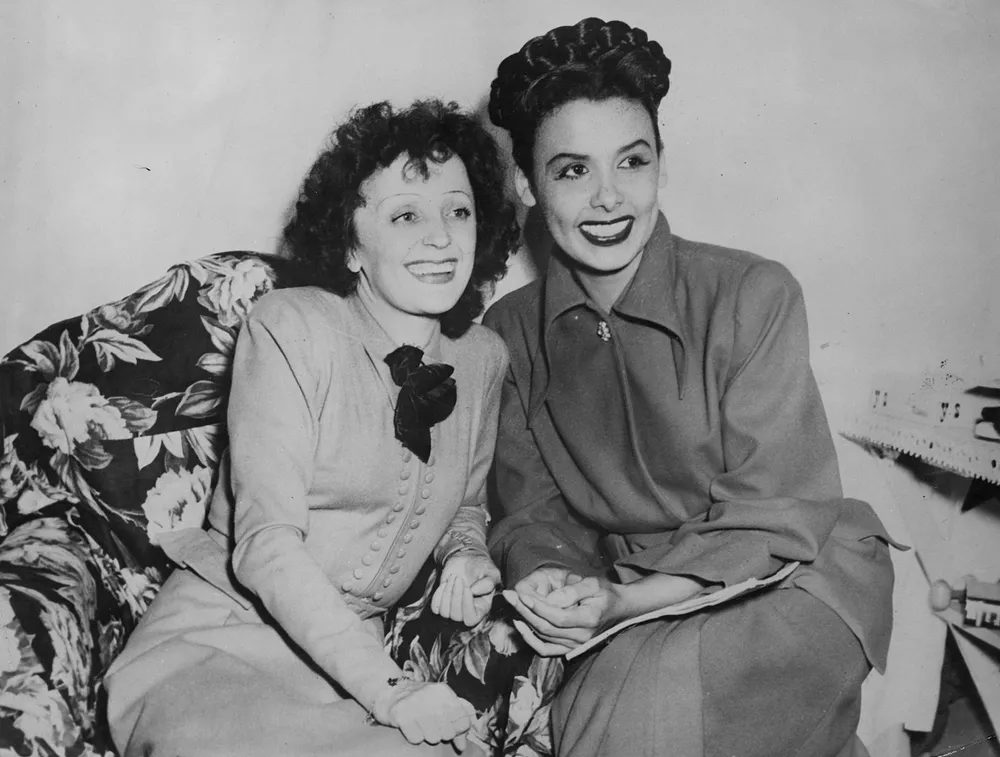
彼女のその後の人生を決定づけることになるロマンスはアメリカ国内で始まりました。 「ラ・ヴィ・アン・ローズ」の大成功と「エトワール・サン・リュミエール」での画期的なパフォーマンスの後、1947年のツアー中にマルセル・セルダンが彼女の注目を集めた。 彼はモロッコのミドル級ボクサーで、二人は情熱的なロマンスを引き起こしました。 それは、映画の撮影が始まる前のハリウッドの悲劇の一つだった。 セルダンは1949年にニューヨークに彼女を訪ねて旅行中に飛行機事故で亡くなった。 伝説によれば、彼は当初、船でゆっくりと旅行する予定だったが、ピアフが飛行機で早く到着するよう促したという。 彼は従った。しかし彼は命を落とした。
苦悩に定義された声
His personal turmoil has not only affected his life; This inspired his art. 彼女の飾らないドラマチックなスタイル and heart-rending voice make her unforgettable. He sang about loss. he sings about love. He makes you feel both at the same time.
When she recorded the provocative song “Non, je ne regrette rien”, 彼女の体はすでに衰えていた。 Years of alcohol and drug use and a serious car accident had taken their toll. それでも彼女の作品は力強さを保っていた。 彼女は47歳で亡くなった。 The official cause of death was liver cancer, but the weariness of life told a deeper story.
フランスは悲しみに暮れた。 Thousands of people lined the streets at his funeral, a testament to how deeply his music was woven into the nation’s fabric.
歌い続ける椅子の向こう側
He left behind more than just songs. He recorded his existence in two books. Au bal de la chance (English title: Wheel of Fortune ) in 1958 and Ma vie (My Life ) in 1964, shortly after his death. These are not just memoirs. They are an extension of his performance, raw and unforgiving.
His legend does not end there. Over the decades, biographers, playwrights and filmmakers have reworked his story. The most famous adaptation is “La Môme” (published abroad as “La Vie en Rose”). 2007年、マリーオン・コティヤールが小柄ながら力強い歌手を演じた。 彼女は単に模倣しただけでなく、その人物になりきった。 This performance won her the Academy Award for Best Actress, proving that Piaf’s influence transcended the era that created her.
One wonders if he knew how heavy the crown was. You want to know if the plane ticket is worth the price. The music answered, but the silence that followed did not.