You think your garden is silent. It is not.
At least not if caterpillars decide to eat your beans. When the chew begins, Phaseolus vulgaris does not sit there taking it like a saint. It screams. Well. Not screams. Not exactly.
It sends a signal. A chemical one.
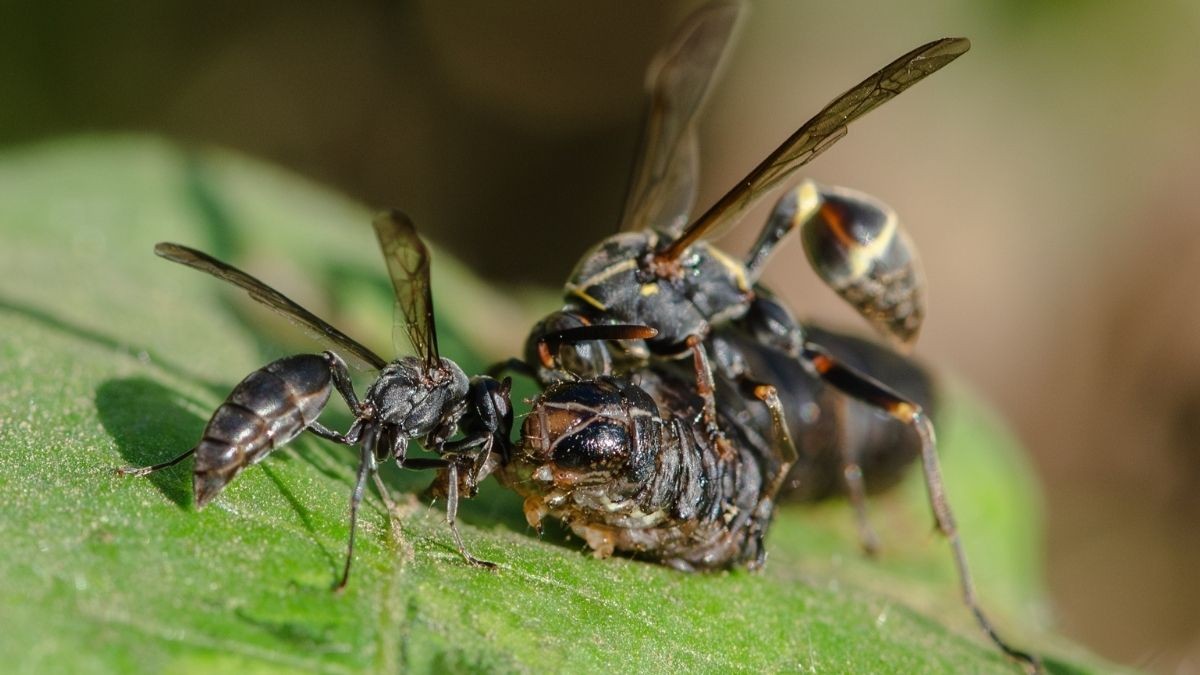
Scientists led by Natalia Guayazán Palacios finally figured out the wiring behind this plant panic. We all know kidney beans, black beans, pintos. You probably have them in the cupboard. These everyday crops have a hidden immune system that recruits cavalry. Specifically, caterpillar-eating wasps.
Now. Before you imagine the plant calling 911, pause. Do plants intend? Can a leaf plan strategy? Botanists and philosophers fight about this daily. The truth is likely more mechanical, less sentient.
The plant releases volatiles. Smells. To the wasp, it might just be dinner time. Over millions of years, wasps learned to associate this specific scent with easy protein. The plants that screamed the loudest survived. The others got eaten. Evolution selected for the noisy neighbors.
The new study pinpoints the exact trigger.
The Receptor Mechanism
It starts on the leaf surface. Embedded in the membrane are protein receptors. They are looking for one specific thing.
Inceptin.
This is a peptide found in caterpillar saliva. Spit. When the mandibles chew and the spit flows, the receptors detect inceptin immediately. The alarm bells ring. The plant stops thinking about just healing the hole and starts broadcasting.
“Inceptin recognition… activates an herbivore-specific immune,” Guayazán Palacios writes. “This triggers emission of a distinctive volatile.”
It is a targeted perfume. Wasps read it. They show up.
The researchers proved this in Oaxaca, Mexico, over two seasons. They grew bean pairs side by side. Same sun, same rain. Same soil. One set had functional inceptin receptors. The other set was genetically missing the ability to make them.
Then they applied pressure.
One group got actual caterpillar spit. Another got pure Inceptin-In11 peptide. A third group? Just a razor blade scratch and a dab of water. No spit. Just the wound.
They pinned dead armyworm caterpillars on the plants to see if wasps would notice.
Here is where it gets clear.
Spit Over Steel
Plants without inceptin receptors performed poorly. They attracted 40% fewer wasps. Both when hit with real spit and when treated with pure inceptin. The wasps ignored the silent plants. They went to the screaming ones.
But the razor blade?
Nothing changed.
Wounds alone do not call the wasps. It is not the pain that matters. It is the chemistry. The signal comes from the arthropod, not the injury itself.
Without the receptor, the plants only released the generic “I got hurt” smells. Not the specific “Help, it is caterpillars” cocktail. The inceptin-sensitive plants released the complex blend only when inceptin was present.
It confirms a delicate dance. Three species involved. Plant. Pest. Predator.
“Plants missing their inceptin receptors did not emit the typical herbivore induced volatiles… but rather emitted volatiles [from] wounding alone.”
This matters for agriculture.
Maybe we do not need more poisons. Maybe we just need to listen better. Or ensure our crops can speak up. The next time you see a nibbled bean leaf, check the air. The wasp might be close. Or it might not have heard you at all. 🪱🐝