UCLA researchers figured out a loophole.
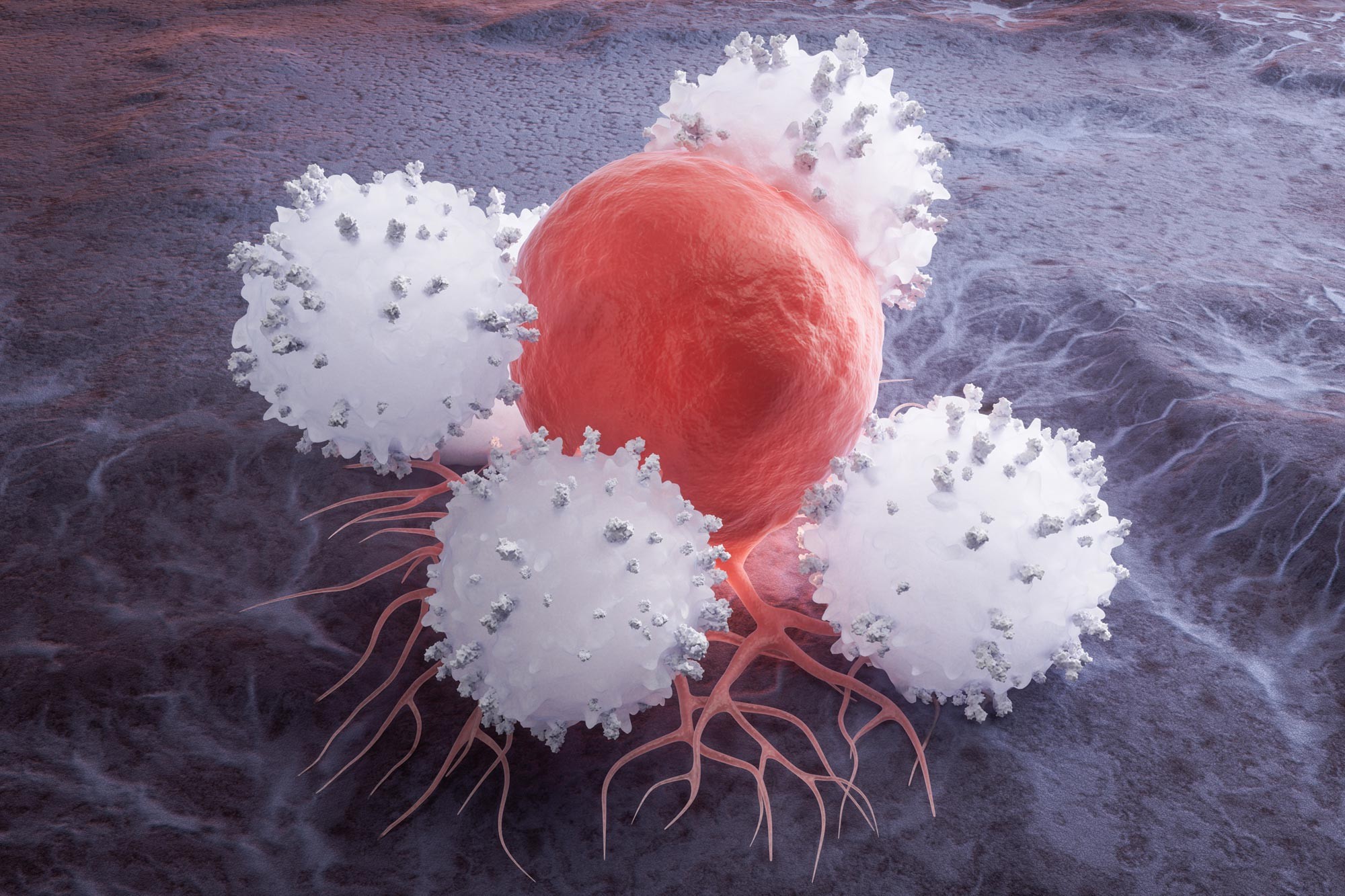
Solid tumors are nasty competitors. They eat all the glucose. The immune system shows up hungry. It tries to fight, but without fuel, it fails.
“This leaves the T cells … with not enough glucose to make cytokins and kill.”
It’s a starvation game. And for years, cancer always wins the metabolic tug-of-war.
Dr. Manish Butte’s team changed the rules.
They gave T-cells a protected food source. Not just any food. Something the tumor can’t touch.
A sugar only T-cells can eat
Enter cellobiose.
It’s a natural sugar. Found in plant fiber. The FDA considers it safe. You’ve probably eaten it—it’s in baby formula, candy, icing.
Here is the trick. Human cells don’t have the enzymes to break it down. Neither do cancer cells. To a tumor, cellobiose is indigestible. Useless.
But the researchers engineered the T-cells.
They added two specific fungal proteins to the immune cells’ genome. Now, the T-cells can snap cellobiose in half. Inside the cell, they turn it into glucose. Private fuel. No competition.
In lab dishes mimicking the starving environment of a tumor, standard T-cells withered. The engineered ones thrived. They divided. They produced killer proteins like IFN-gamma. They ate the tumor.
Survival in mice
Mice are the next step.
They took models of solid cancer—lung, breast, colorectal types—and introduced these upgraded cells.
The results were stark.
Tumor growth slowed down. Significantly. The mice lived longer. Some had their tumors disappear completely.
Why?
The engineered T-cells didn’t exhaust. Usually, T-cells burn out inside tumors. These guys kept moving. They multiplied. They stayed hungry in a good way.
“We demonstrate … we can design strategies to bypass the meta-bolic tug-of-war.”
First author Matthew Miller, now at the Salk Institute, called it a metabolic bypass. You skip the traffic. You deliver the goods.
CAR-T cells might actually work
This matters for CAR-T therapy.
You’ve heard of it. It’s huge for blood cancers. Leukemia. Lymphoma.
It struggles with solid tumors. Same problem. Not enough energy.
They tested this on human CAR-T cells. Put them in low-glucose conditions. Standard CAR-T cells died. Stopped fighting.
Add cellobiose?
They woke up. They survived. They grew. They killed.
In mouse models, these CAR-T cells were active inside the tumors. Strong trend toward better control.
Dr. Butte noted that when glucose is scarce, these cells use the alternative fuel for all the normal pathways. Their metabolism looks healthy. Normal. Not starved.
Not a cure-all yet
Is it a magic bullet? No.
But it opens doors. There are over 500 trials testing CAR-T on solid tumors right now. Many are failing because the cells die before they can do anything.
Add two genes. Feed them the special sugar. Maybe the math changes.
“That’s what’s most exciting. The broad applicability.”
Butte sees a lot of current efforts getting a lifeline.
The challenge now? Delivery. You need to get cellobiose to the tumor safely. Without it, the engineered cells still need normal glucose. With too much, you risk other issues.
But the proof is there. The pathway works. The T-cells win the energy war.
For now, solid tumors have lost their privilege. They can no longer hoard all the sugar in town.