Data wins. At least in the field.
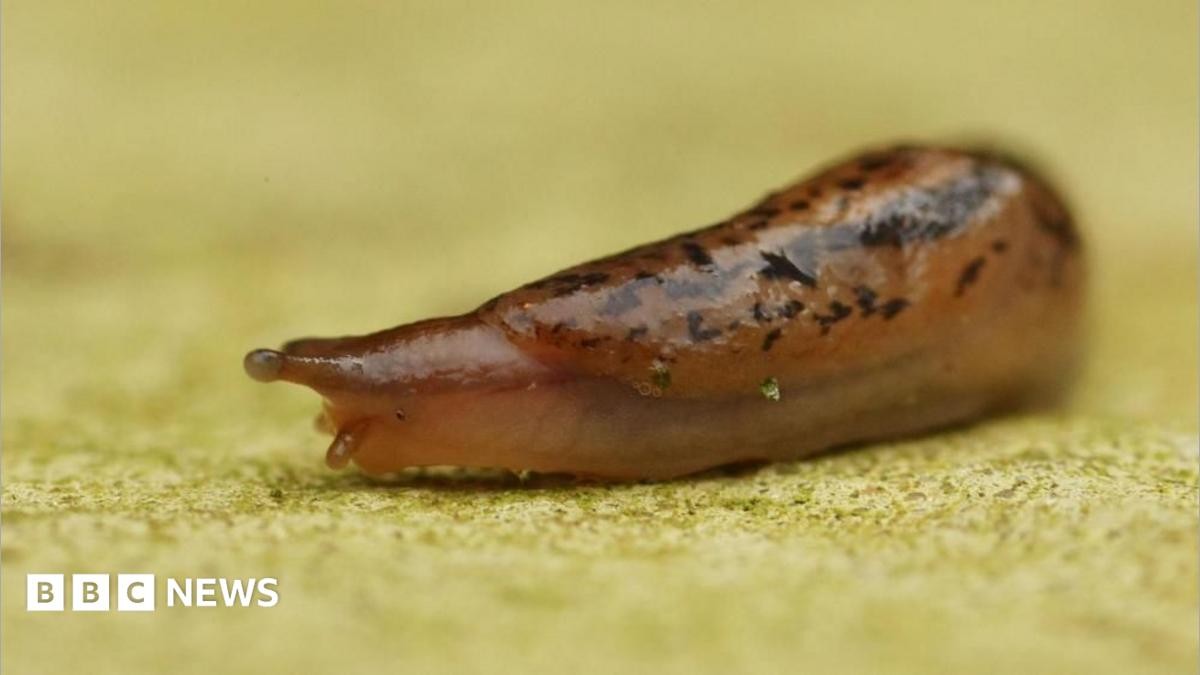
Twenty-eight farmers. They call themselves slug sleuths. They’ve been gathering info while arable growers everywhere worry about their crops getting eaten. It turns out Harper Adams University needed those eyes on the ground. The goal? Map out the gastropods. Predict their moves. Stop the munching without nuking the ecosystem with pesticides.
The model works, and perhaps most importantly… farmers are happy to use it.
There is a reason this isn’t just academic theory sitting on a shelf. The project is backed by Defra. We’re talking three years and £2.6 million. The initiative carries a mouthful of a name. SLIMERS. It stands for Strategies Leading to Improved Management and Enhanced Resilianse to Slugs. You don’t say it fast. But the output matters. The researchers have built prediction maps.
Why maps? Slugs are predictable in a chaotic way.
Professor Keith Walters noted something weird. When soil gets waterlogged. Things get messy. Slug clusters pop up in spots you wouldn’t normally check. Then they vanish. Once the soil dries back to normal. They go back to where you’d expect them.
We have the proof now. Even when the slug count was low. The model held up. More than that. Farmers like it. It plugs into their existing tech.
So what does that mean for the guy staring at a decaying seedling?
It means less blanket spraying. It means targeted hits. You spray the patch. You ignore the rest. That cuts costs. It helps the environment. Maybe you don’t have to hate the rain so much anymore.
But wait. Slugs evolve. Do the maps update? Or do the farmers have to trust the data every single spring.
The soil might dry out. But the question remains.
Is this really enough?