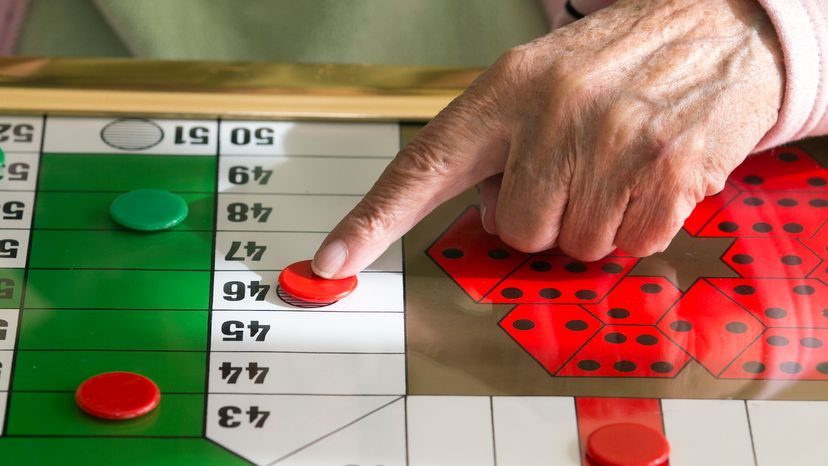
Countries don’t just have national anthems or mascots. They have official board games too. India’s claim to the throne is Pachisi. It isn’t just a dusty relic in a museum cabinet. It holds a unique status. It is the country’s national game. And it has stayed popular worldwide for centuries.
The version most Americans know is Parcheesi. It is the copyrighted American spinoff. The spelling changed. The core game remained nearly identical. Both belong to a specific category: cross-and-circle games. The name comes from the board’s shape. A cross. With arms. And a circular flow of play around the center.
Historically, Pachisi wasn’t printed on cardboard. It was played on a cloth board. The home space sat right in the middle. Where the cross’s arms met. Today’s sets look similar. But the material has shifted. Wood. Or paperboard. That’s the standard now.
The game accommodates two to four players. One for each arm of the cross. You need two sets of pieces. Pawns. And dice. Traditional pawns were beehive-shaped wood. You can buy them in different shapes now. Different materials. The dice tell a different story. Modern sets use standard six-sided plastic cubes. Pachisi originally used elongated four-sided wooden dice. Or six two-sided cowrie shells. Those shells defined the early mechanics.
It works for small groups. Which makes it ideal for family game night. Or playing with friends. The rules offer more than just entertainment. They help parents and teachers. Children strengthen strategy skills. Math concepts get reinforced. Without realizing they’re studying.
It’s not educational torture. No one is sneaking broccoli into brownies here. It’s fast-paced. Fun. A way to kill a few hours. With a rich history attached to every roll.
How the Game Evolved
The transition from Pachisi to Parcheesi wasn’t just about marketing. It was about accessibility. The American version standardized the components. Plastic dice. Printed boards. Easy to ship. Easy to play.
The original Indian version required specific materials. Cowrie shells were hard to come by outside the region. Wooden dice needed craftsmanship. The cloth board had to be precise. The American adaptation removed those barriers. It kept the soul. Changed the body.
Why Cross-and-Circle Games Still Matter
You might wonder why a game this old survives. Modern board games offer complex narratives. Heavy mechanics. Deep storylines. Parcheesi offers something simpler.
It’s pure luck. And strategy. In equal measure. You roll. You move. You block. You get sent back. It’s a loop. A cycle. Like the circular play itself.
The game teaches patience. You can’t rush. You have to wait for the right number. You have to watch your opponents. Plan ahead. It’s a social game. Eye contact. Cheering. Groaning. It happens in real time. Not through a screen.
Where to Play Today
You can find Parcheesi in almost any toy store. Online retailers have endless options. Different themes. Different art styles. But the core rules remain.
For a more authentic experience, look for Pachisi sets. They often include cowrie shells. Or wooden pieces. The cost might be