


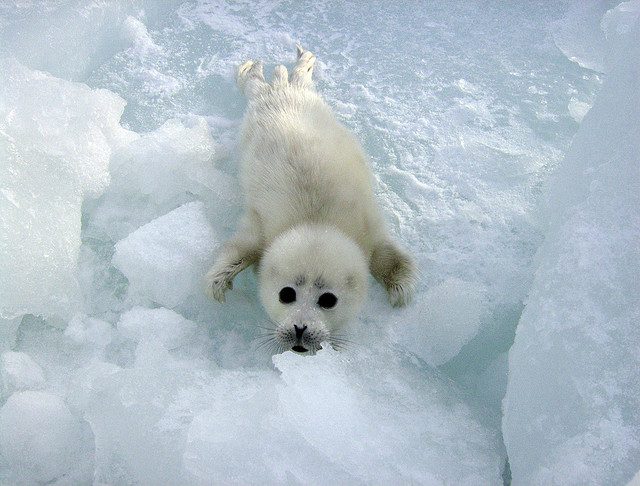
Commercial seal hunting isn’t a global phenomenon anymore. It is a shrinking niche, concentrated in three main hubs: Canada, Greenland, and Namibia. Together, these regions account for 60 percent of the seals killed annually. It still happens in Russia, Norway, Iceland, and the United States, but those numbers are fading. Meanwhile, in the Arctic, Indigenous communities continue to hunt seals for food. That subsistence hunting doesn’t spark outrage. It is seen as survival. Commercial hunting is a different story entirely. It triggers immediate, fiery debate.
The Economic Argument for Traditional Hunting
Supporters don’t hide behind sentiment. They point to economics. In countries where the practice persists, it has been a livelihood for generations. Seals are taken for their skins and blubber. Proponents argue this activity keeps thousands of families and businesses afloat worldwide. It is a traditional industry with deep roots. To them, banning it is an attack on economic independence.
Why Animal Rights Groups Fight Back
Opposition is fierce. Animal welfare groups organize protests and petitions to stop the trade. Their primary argument is cruelty. The methods used to kill the animals are graphic and, to many, unacceptable. Canada faces the brunt of this criticism. In Canada, it is still legal to kill very young seal pups using a hakapik. This tool is a club with a metal spike. It is designed to crush skulls. The visual is devastating.
Russia disagrees with this method. Since 2009, Russia has banned the slaughter of seal pups under one year old. This creates a sharp contrast in how different nations regulate the same industry. The gap between subsistence needs and commercial profit is where the moral battle is fought.
How Market Restrictions are Killing the Trade
The commercial trade is collapsing under its own weight. Not because of protests alone, but because of market closures. The European Union made a decisive move in 2009. They banned the import and sale of seal products within their territory. This includes blubber and fur. The impact was immediate and severe. The European market had previously generated nearly 25 percent of Canada’s revenue from seal products. That revenue stream vanished overnight.
The United States had already pulled the plug decades earlier. The Marine Mammal Protection Act signed in 1972 closed American borders to imported seal products. This law predates the modern animal rights movement, showing that protectionism started long before today’s viral campaigns.
Then came the final blow from the North. In late 2011, Russia banned the trade of Greenland seal skins within its own territory. This cut off another potential outlet for hunters who might otherwise have sold to Russian buyers.
These decisions did more than just reduce profits. They fundamentally altered the viability of the industry. The revenue generated by commercial seal hunting has plummeted. The infrastructure built to support it is now underutilized.
There is a side note to this story. In some places, like Norway, seals are still hunted occasionally. But this isn’t for commerce or traditional food. It is population control. It limits the number of animals in specific waters. This practice is sporadic. It doesn’t drive the market. It doesn’t draw the same ire. It exists in the gray area between conservation and exploitation.
The writing is on the wall for the commercial trade. The markets are gone. The regulations are tightening. The moral opposition is entrenched. What remains is a shadow of what it was, struggling to find relevance in a world that increasingly questions its place.


