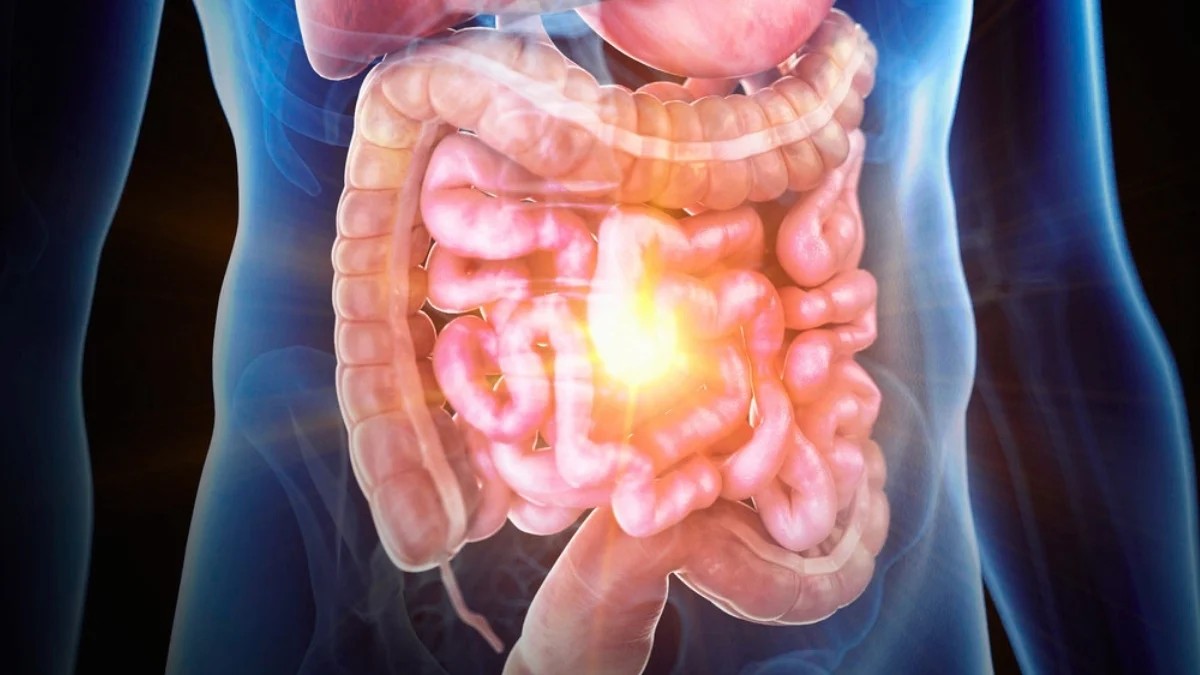
Inflammatory Bowel Disease (IBD) is a global health burden affecting millions, yet its origins remain murky. We treat the symptoms, but we still struggle to understand why chronic inflammation destroys gut tissue. Why does it hit patient A differently than patient B? The answers have been hiding in plain sight, locked away by the limitations of traditional lab models.
Petri dishes give you isolated cells. Animals give you imperfect mirrors of human biology. Both fail to capture the complex dance of cell-to-cell interaction that drives tissue damage and colorectal cancer risk.
That changes now.
A new study in Nature Biomedical Engineering introduces the “Colon Chip,” a miniature organ-on-a-chip device that might be the most faithful human model of IBD to date. It doesn’t just mimic the disease. It recreates the exacerbations pregnant women experience and captures the earliest molecular sparks of cancer formation.
The Surprise Role of Fibroblasts
The biggest finding here isn’t what you’d expect. It’s the fibroblast.
For years, scientists viewed these connective tissue cells as passive support structures. They hold organs together; they help repair wounds. That’s it.
The Colon Chip suggests otherwise.
Researchers, led by bioengineer Alican Özkan at Harvard, paired fibroblasts from IBD patients (those with Crohn’s disease or ulcerative colitis) with healthy intestinal cells from the same donors on the chip.
The results were jarring.
Simply exposing healthy cells to diseased fibroblasts was enough to turn them against themselves. The barrier weakened. The inflammation spiked. The healthy tissue started behaving exactly like diseased tissue.
“Fibroblasts taken from patients with IBD… were, on their own, enough to trigger diseased-like changes in healthy intestinal tissue.”
This mechanistic insight is nearly impossible to isolate in conventional organoids or animal studies. It suggests fibroblasts aren’t just bystanders in gut inflammation. They are active participants. Maybe even the drivers.
Mechanical Forces and Pregnancy Hormones
The device, called a Colon Chip, doesn’t just mix cells. It subjects them to physical stress.
Real intestines stretch. They contract. They endure peristalsis. Most lab models ignore this mechanical reality.
The Colon Chip recreates those gentle, constant stretching forces. The effect on IBD tissue was profound. Inflammatory responses and fibrotic scarring intensified under mechanical stress. The disease looked worse. It acted more aggressively.
Then came the pregnancy factor.
Pregnant women with IBD often face severe exacerbations. The chip allowed researchers to introduce pregnancy-related hormones directly into the culture. The response was immediate. Inflammation surged. Collagen deposition increased—a hallmark of fibrosis and tissue scarring.
It provided a lab-based explanation for a clinical phenomenon that has long puzzled gastroenterologists. Why do symptoms flare during pregnancy? Mechanical stress plus hormonal shifts creates a perfect storm in the gut lining.
Unmasking Early Colorectal Cancer
Perhaps the most chilling capability of this platform is its ability to model cancer initiation.
IBD significantly raises the risk of colorectal cancer. But watching that transition happen in real-time is difficult.
The team exposed both healthy and diseased Chips to N-ethyl-N-nitrosourea, or ENU, a potent carcinogen.
Diseased tissue reacted violently. Healthy tissue showed minimal change.
Crucially, the cancer susceptibility wasn’t just about the epithelial cells lining the gut. It was tied to the fibroblasts.
Healthy intestinal cells only began expressing early cancer markers after being grown alongside fibroblast cells taken from IBD patients. The diseased stroma seemed to be teaching the healthy cells how to become malignant.
“This mechanistic insight would be difficult to obtain,” Özkan noted. The model moves beyond replication. It uncovers cause.
Why This Model Matters
Traditional methods force researchers to look at pieces of the puzzle in isolation. They miss the context. The Colon Chip integrates patient-derived epithelial cells, stromal cells, circulating immune cells, and physiological mechanical forces all at once.
It captures the full human intestinal microenvironment.
“We showed that our system enables studying the earliest states of cancer formation within human tissues in an in vitro organ-relevant context,” Özkan explained.
For the first time, we can isolate individual disease drivers while watching them interact in a dynamic, human-relevant system.
The implications are vast. We can now test drugs against the actual mechanical and cellular drivers of IBD, not just isolated pathways. We can understand why specific patients flare under specific conditions. We can potentially predict cancer risk before it becomes irreversible.
But the model is new. The questions are just beginning.
Fibroblasts, mechanical stress, hormonal shifts—they form a triad of complexity that conventional biology has struggled to untangle. The Colon Chip doesn’t solve IBD. It gives us the lens to finally see it.
And what we see might be enough to change everything.