The air we breathe feels permanent. It is the basis of human existence, a continuous, oxygen-rich blanket that protects us from space. But this stability is an illusion. Earth’s atmosphere was almost non-existent. Or rather, it was almost completely obliterated.
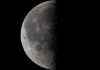
Geological evidence suggests that our planet’s early atmosphere weakened significantly and lost much of its volatile store. This loss was not due to gradual erosion or the solar wind. It was a violent, unique event. A huge impactor, probably the size of Mars, slammed into the young Earth. This was the same catastrophe that created our moon. But while we usually focus on the moon, the collateral damage to our air was much more serious for humans as we know it.
The Great Stripping
When this protoplanet crashed into the earth, the energy released was unfathomable. It wasn’t just a physical collision; it was a thermal blast. The impact vaporized the rock, melted the crust, and ejected massive amounts of material into orbit. But it also overheated the primitive atmosphere.
Hot gases expand. They run away. In the chaos of the early Hadean period, a significant part of the Earth’s original gas shell was ejected into the void. If this effect had not occurred, or if it had been less energetic, our atmosphere might have remained much thicker and richer in compounds, or perhaps remained more volatile. Instead, the event reset the atmospheric clock.
Why Oxygen Survived
So how was the oxygen preserved? Or rather, how did it return?
The impact destroyed the existing atmosphere, but did not destroy the mechanisms that would ultimately create the atmosphere. The debris forming the moon coalesced, the planet cooled, and gas released from volcanoes began to fill the air with water vapor, carbon dioxide, and nitrogen. But molecular oxygen? That wasn’t outgassed. It was manufactured.
Blue-green algae and other cyanobacteria finally took over this task. Through photosynthesis, they began pumping oxygen into the newly formed, thinner atmosphere. A major oxidation event hundreds of millions of years later was possible only because the cooling and atmospheric processes that followed the catastrophe created the conditions for it. The crash didn’t just destroy; it created the conditions for a different atmosphere to emerge.
The fragility of the air
This story reminds us that the air we breathe cannot be taken for granted. It is the result of a certain, fragile series of events. A bigger impact could have destroyed everything. A smaller one might have left a Venus-like runaway greenhouse effect. We landed in a narrow window where the atmosphere was thin enough to cool, but thick enough to retain heat and water.
The oxygen-rich shell of Earth is unique in our solar system. Mars lost its atmosphere to a different, slower death. Venus choked on its own. Earth’s air is a marvel of timing and violence. We breathe in the remnants of the collision, filtered through billions of years of biological work.
It’s humbling. We walk around assuming the air is eternal. But it is only a thin film, held in place by gravity and life, and constantly renewed by the processes that began in fire and stone.