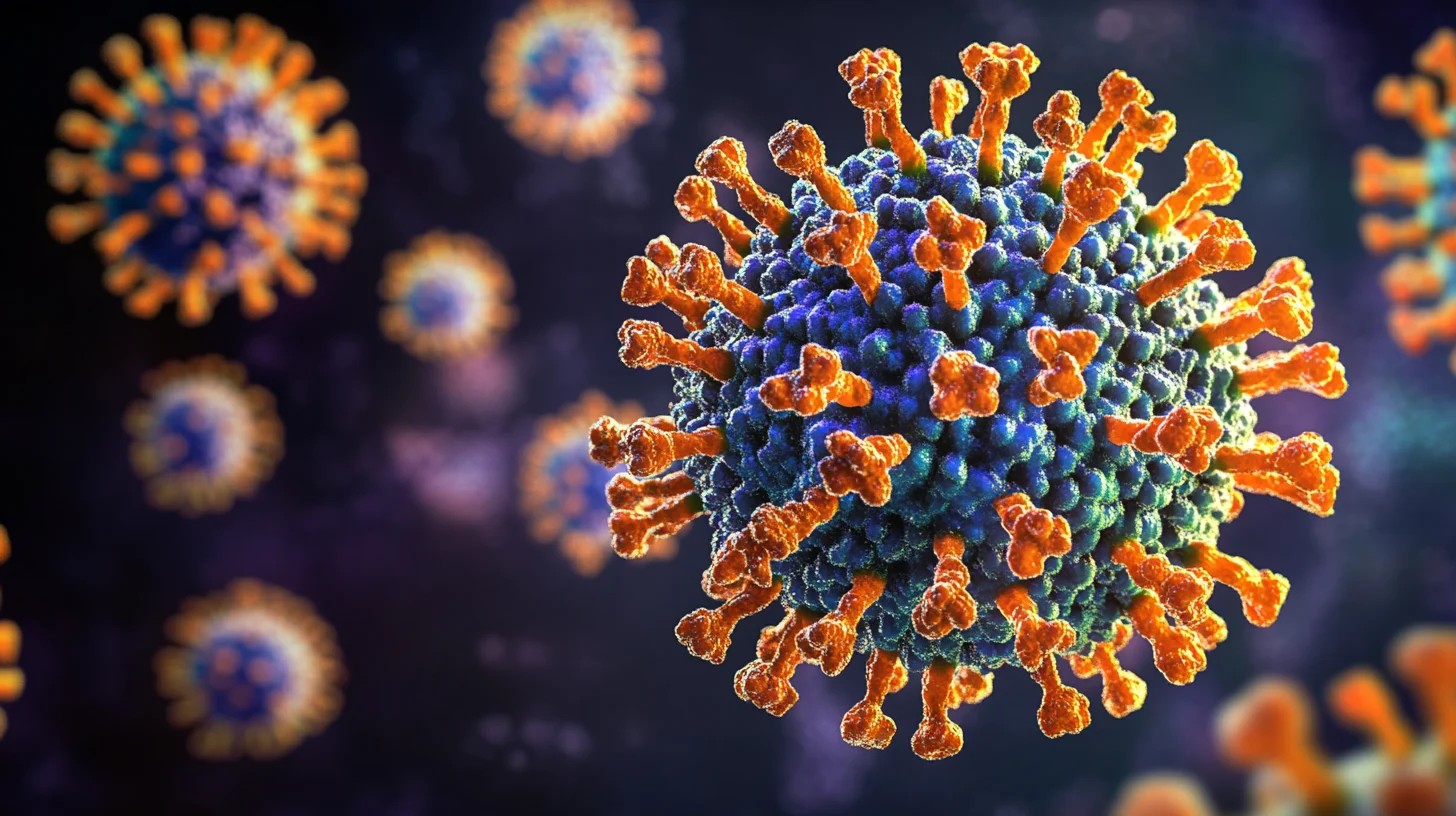
The United States just crossed a threshold we hoped never to see again.
Measles cases have officially eclipsed the total recorded in all of 2025. As of July 21, 2026, there are 2,295 confirmed infections.
This is a grim milestone.
The last time we saw numbers this high was in 1991. Back then, the CDC reported 9,643 cases. Before that, 1990 saw nearly 28,000 infections.
Why do these numbers matter now? Because measles elimination status is at risk.
We beat the disease decades ago. We eliminated it in 2000. Now, progress is eroding.
The Data Behind the Surge
Public health experts are sounding the alarm. This isn’t just a statistical fluctuation. It is a preventable crisis.
Last year, measles killed three people in the US. We haven’t had a fatality yet in 2026, but the risk accumulates with every new case.
The Centers for Disease Control and Prevention tracked 2,289 cases in 2025 alone.
That number has now been breached.
The trend lines are moving in the wrong direction. Annual cases dropped significantly after 1991. They hit a low of just 312 cases in 1993. That decline followed the recommendation of a second vaccine dose and the implementation of school vaccination programs.
Since then, cases stayed low.
Until 2025.
Why Is Measles So Contagious?
Measles is a viral infection spread through the air.
An infected person coughs or sneezes. The virus hangs in the air. You breathe it in.
It is terrifyingly efficient.
One sick person can infect up to 18 others. Compare that to the flu, which has a reproduction rate ($R_0$) of about 2. Or SARS-CoV-2, which sits around 4.
When the virus enters your body, it targets your respiratory tract. It hijacks cells to replicate.
It moves from your lungs to your immune cells. Then to your lymph nodes. Finally, it spreads throughout your entire body.
The symptoms are distinctive. Fever. Cough. A red, raised rash.
But the real danger lies deeper.
Infections can lead to ear infections, pneumonia, diarrhea, and encephalitis. Brain inflammation. Brain damage.
The Myth of “Just a Rash”
Many parents believe surviving measles is the worst-case scenario.
It isn’t.
Jessica Steier, founder of UnbiasedScience, warns that even a mild case can have long-term consequences.
Measles triggers something called “immune amnesia.”
Your immune system forgets defenses it previously built against other diseases. It takes two to three years for those defenses to rebuild. You are left vulnerable to infections you were previously immune to.
Death isn’t the only risk. Immune suppression is too.
William Moss, an epidemiologist at the Johns Hopkins Bloomberg School of Public health, calls this a “problem of our own making.”
Moss tracks this outbreak closely. He notes that successful vaccination programs can undermine themselves by erasing collective memory.
People forget how bad measles was.
They forget the smallpox deaths. The polio paralysis. The congenital rubella syndrome.
Without the threat of the disease visible in daily life, trust in prevention slips.
Access vs. Acceptance
In many countries where measles is still endemic, the challenge is access.
Parents want vaccines. Healthcare workers want to deliver them. Political leaders need to facilitate supply chains.
The US doesn’t have that problem.
Most communities have access.
The problem here is choice. And fear.
Vaccine fatigue. Complacency. Fear of side effects. A loss of trust in medical institutions.
Religious exemptions and philosophical objections create pockets of vulnerability.
Moss points out that under-vaccination is a wide-spectrum issue. Only 20 percent of US measles cases are in children under five. Fifty percent are in older children. Twenty percent are in adults over 20.
We are seeing cases across age groups because herd immunity is fracturing.
What Does the Vaccine Do?
The measles vaccine is safe.
Rigorous studies on large cohorts have debunked links to autism or irritable bowel disease.
The vaccine introduces weakened virus strains. Your immune system learns to fight back before the real virus arrives.
It primes T cells, white blood cells, and NK cells. It prepares the body for war.
Common side effects are mild.
Pain at the injection site. Swelling. Redness. Occasional fever for a few days as the immune system activates.
Rare side effects exist. Febrile seizures. Thrombocytopenia (low platelets). Anaphylaxis.
But these risks are tiny compared to the dangers of the disease.
Data confirms that two doses provide robust protection. Unvaccinated individuals get sick far more often.
Why Did Cases Rise So Fast?
Trust is the missing ingredient.
Research in the journal Vaccine suggests that removing school vaccination mandates after COVID-19 correlated strongly with rising US measles cases.
When rules relax, hesitation grows.
Communities that actively discourage vaccination create echo chambers. Messages from trusted neighbors or faith leaders stick. Facts alone don’t always break through.
Steier emphasizes that we are dealing with a “trust gap,” not just a “knowledge gap.”
Parents who refuse vaccination usually think they are making the right choice. They don’t see themselves as reckless.
To close the gap, communication must change.
We need messengers from within communities. Direct answers to specific fears. Honest acknowledgment of uncertainty rather than false certainty.
The Path Forward
The WHO estimates that the measles vaccine alone has saved 60 percent of the 1.54 million lives saved by vaccines since 1974.
We are risking those gains.
Scientists are developing faster, pain-free delivery methods. Nasal sprays. Vaccine patches.
Until those arrive, the injection remains our best defense.
If transmission continues in the US, the public health system will remain strained. Financial costs will skyrocket. Preventable illnesses and deaths will mount.
Resources will be pulled away from other health crises to fight a war we already won once.
To track the outbreak as it unfolds, monitor the Johns Hopkins US Measles Tracker directly. The numbers are changing by the hour. The milestone has passed. The question is what comes next.