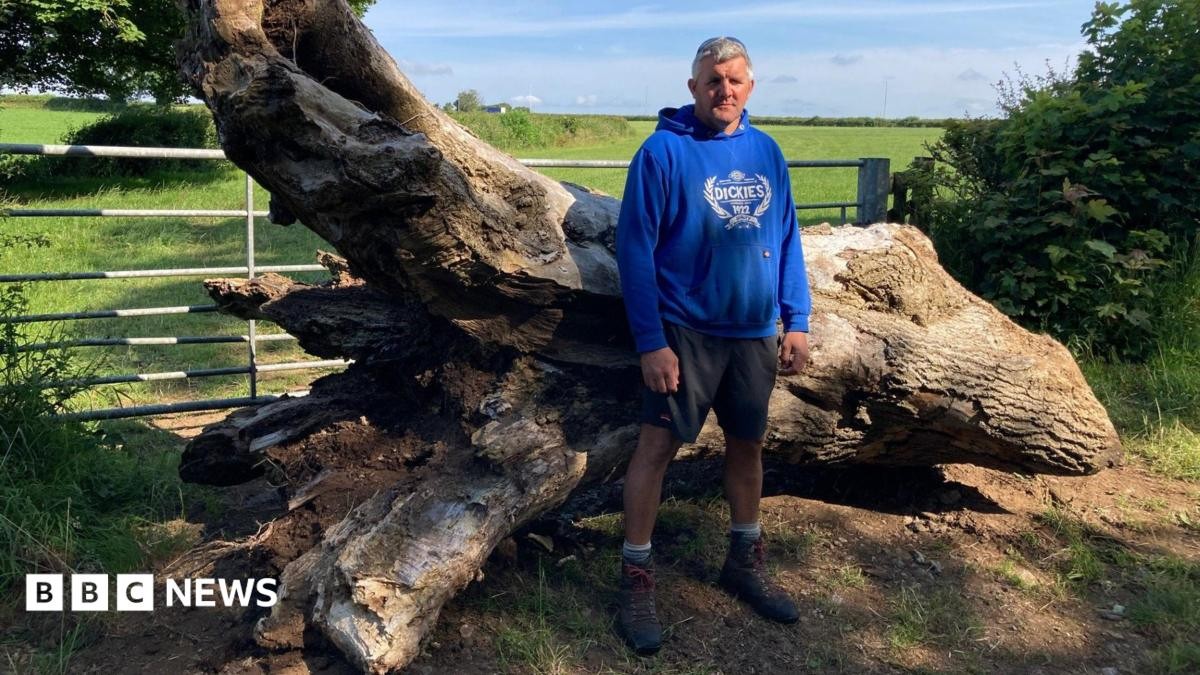
Farmers west of Cardiff are done asking nicely. They’ve started barricading field entrances with concrete blocks and fallen trees because the people hunting hares don’t care about property rights.
It’s getting aggressive.
Chris Edwards, a beef and sheep farmer near Colwinston, says the surveillance aspect is the worst part.
“They’re watching us,” Edwards said. “Which is probably the most disconcerting part.”
He harvests a field. Within hours, trespassers are there. Gates are smashed off their hinges. Crops are trampled by dogs hunting hares illegally.
This is hare coursing. And it’s back with a vengeance in South Wales.
How illegal hare hunting gangs operate
Hare coursing isn’t just chasing a rabbit. It’s a blood sport where dogs are judged on how tightly they can follow a hare’s zig-zagging escape route. It was banned by the Hunting Act 2004, but that didn’t stop the activity—it just drove it underground.
Now, it’s linked to online gambling and organized crime.
Edwards, 45, knows this firsthand. He uses a JCB to move giant logs blocking his own gates. Chains and padlocks? Cut off. Vehicles ram through fences. When the cars leave, animals end up on the road, at risk of being hit.
“Once we get into autumn and we’re planting for next year,” Edwards explained, “they leave ruts in the ground. They’re damaging the crops.”
It’s not just about the animals. It’s about the livelihood.
Why rural crime is spiking in Wales
The Vale of Glamorgan sits close to Cardiff, Bridgend, and Swansea. Good motorway links. Easy access for outsiders to drive in, do damage, and drive out.
South Wales Police confirmed a spike in these incidents. But there’s a resource problem.
It’s the only police force in Wales without designated rural crime officers, according to James Tudor of NFU Cymru.
“Tough place anyway at the moment,” Tudor said, referencing the broader struggles farmers face. “This is further strain.”
The behavior is changing, too. Det Constable Richard Paskell from the Vale of Glamorgan notes that gangs used to park quietly outside farms and slip dogs inside. Now? They ram gates. They destroy posts. They tear down fences. The damage—and the cost—is escalating.
Where previously it might have been a discreet intrusion, now it’s an act of brute force.
What police are doing about hare coursers
Police aren’t standing idle. They’re stepping up patrols in known hotspots.
But visibility isn’t enough. Farmers want action while the crime is happening.
“We need a wider police presence,” Tudor said. “To get hold of these people as they’re in the act.”
There’s also a coordination effort underway. Welsh forces recently launched Operation Galileo Cymru. It brings together police, farming unions, and other agencies to share intelligence on rural crime.
Officers are also hitting the ground at agricultural events. They’ll be at the Royal Welsh Show in Llanelwedd. Next August, they’ll be at the Vale of Glamorgan Show, talking to farmers directly, pushing for reports and information.
Paskell emphasized the goal: “Stamp out this blood sport.”
The human cost of the hunt
It’s not just property damage. It’s fear.
Tudor recalled incidents where farmers approached coursers and received threats. “Verbal and physical,” he noted. Windows smashed. Intimidation tactics deployed.
The farming community has a decent relationship with local police teams, Tudor acknowledged. They feel supported in theory. But theory doesn’t fix a smashed gate at 2 AM.
Edwards has neighbors who’ve faced threats when trying to intervene. The social fabric is fraying. People are wary of getting involved because the reward for getting involved is physical danger.
They have a WhatsApp group now. A digital watchtower to warn of suspicious vehicles.
Is it really just hares being chased? Or is it a signal that rural spaces are now fair game for those who see no law enforcement deterrent?
The police are talking at shows. They’re coordinating. They’re increasing patrols.
But on the ground in the Vale of Glamorgan, farmers are moving logs with heavy machinery. They’re fortifying fields like fortresses.
Waiting to see what happens next season.