London is drying up. The long, dry summer isn’t going anywhere, and the tap is turning cold for millions.
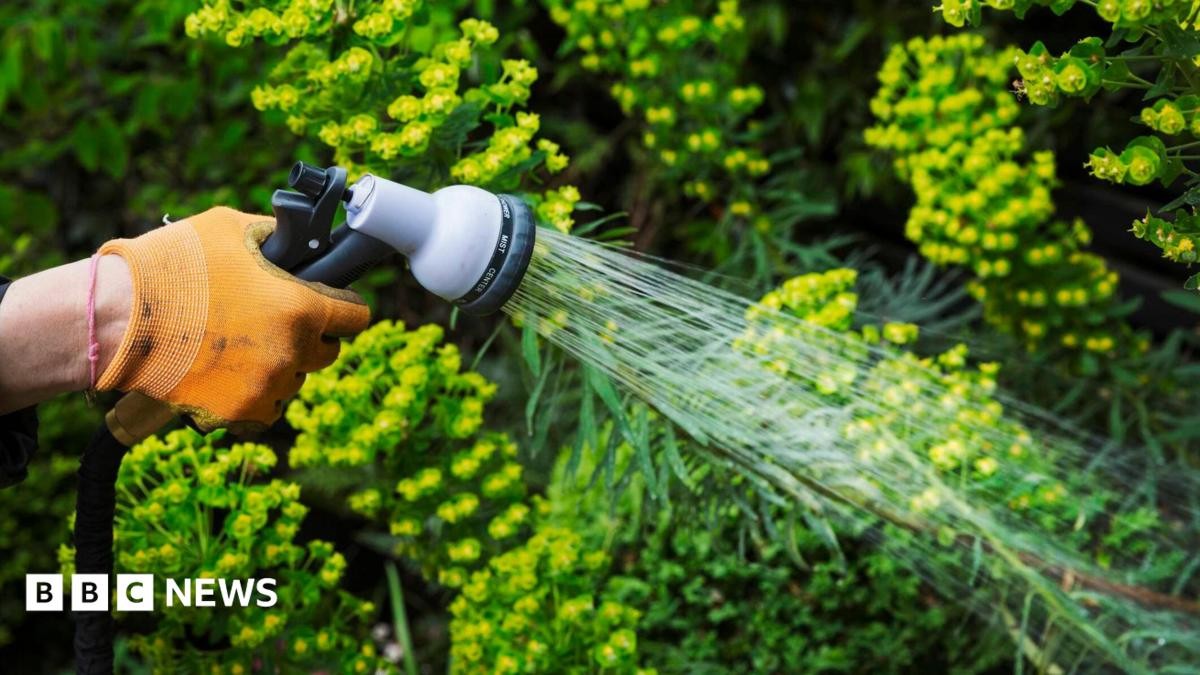
Water demand spiked by 30% on the hottest days of July. That kind of strain breaks things. So, seven water companies have either started or announced future hosepipe bans. They need to protect treatment works and storage levels. If you’re wondering why your neighbor’s sprinkler stopped mid-rotation, this is why.
Which London water companies have a hosepipe ban?
It’s not uniform. It’s messy.
Thames Water has imposed a temporary ban on 10.1 million customers. The heatwaves combined with a dry spring and summer pushed demand past the red line. Affinity Water joined them.
SES Water? No ban there yet. They aren’t planning one.
If you’re under Thames or Affinity, the rules are strict. You can’t use a hosepipe or sprinkler to:
– Water gardens or allotments
– Wash cars
– Fill paddling pools or swimming pools
– Clean windows
Simple enough, right? Well, not quite. Because life is complicated.
When are you exempt from water restrictions?
Some people get a pass. It’s not about privilege; it’s about necessity.
You can still use water if it falls under health and safety needs. This covers animal welfare, including pets, livestock, and yes, fish in ponds. You can water food crops. You can water certain newly planted trees.
There’s also an exemption for those who can’t adjust usage due to severe mobility issues, disability, or medical conditions. If you’re a Blue Badge holder, you’re exempt. Wastewater-only customers don’t need to worry either.
“As our climate continues to change, adapting our water use is no longer optional.”
That’s Guy Barter, chief horticulturalist at The Royal Horticultural Society (RHS ). He’s seeing it in the dirt. The soil is cracking. Plants are thirsty. But he says how you water matters.
Don’t spray lightly. Every day. Do that and the water evaporates before it reaches the roots. Instead, use stored rainwater or grey water where you can. Water deeply. Less frequently. Aim for the base of the plant.
The RHS gardens in London are living laboratories right now. You can see which plants are surviving the drought. Barter suggests planting more drought-tolerant species. Improve soil health. Increase shade with trees. It’s not just about today. It’s about making gardens resilient for the next decade.
Do businesses have to follow hosepipe ban rules?
Not exactly.
Public sector organizations, charities, and businesses can use hosepipes if it’s directly needed for commercial activities. Professional cleaners can work. Car wash services can operate. They’re exempt because they’re earning it.
But public spaces? Different story.
Parks and public gardens are off-limits for hoses and sprinklers. Unless it’s a health and safety issue. Or a National Plant Collection.
Kew Gardens is exempt. But don’t think they’re leaving the tap running. Their horticulturists are already taking precautions to limit usage. They’ve got over 11,000 trees. They know how to manage water. Or at least, they try.
Are water companies wasting more than the ban saves?
Here’s the rub.
Greenpeace UK argues that water firms in England and Wales leak five times more water than a nationwide ban could save. Leaky pipes. Ancient infrastructure. It’s a leaky bucket.
Thames Water disagrees, or at least, they’re trying to fix it. They claim leaks are down 15.1% compared to their 2019/2020 baseline. They’re investing in finding and fixing those leaks. Affinity Water says the same.
A Thames spokesperson says teams are working 24/7. To keep water moving. To fix leaks. To support customers.
“We will keep the situation under close review,” they said. “We will lift restrictions as soon as it is safe.”
Safe. What does that mean? When the tanks fill back up. When the rain finally comes. Or does it?
The drought isn’t a blip. It’s the new normal. We’re learning to live with less. Or we’re learning to leak more. Either way, the hosepipe is staying put for now.