New archaeological evidence from Jordan confirms the devastating scale of the Plague of Justinian, the first documented pandemic to sweep across the Mediterranean world between the 6th and 8th centuries. A US-led research team has verified a mass burial site in Jerash, revealing grim details about how the disease killed millions in the Byzantine Empire. This isn’t just a historical footnote; it underscores how quickly a novel pathogen can overwhelm populations, even without modern travel or globalization.
The Jerash Discovery: A Snapshot of Crisis
The mass grave at Jerash, a major trade hub in ancient Jordan, wasn’t built over time like a typical cemetery. Instead, it represents a single, catastrophic event: a sudden, overwhelming influx of bodies. Genetic analysis confirms Yersinia pestis —the same bacterium responsible for the Black Death centuries later—as the culprit. The study, published in the Journal of Archaeological Science, is significant because it links biological evidence (the plague pathogen) to the human experience of the crisis.
A Transient Population Under Siege
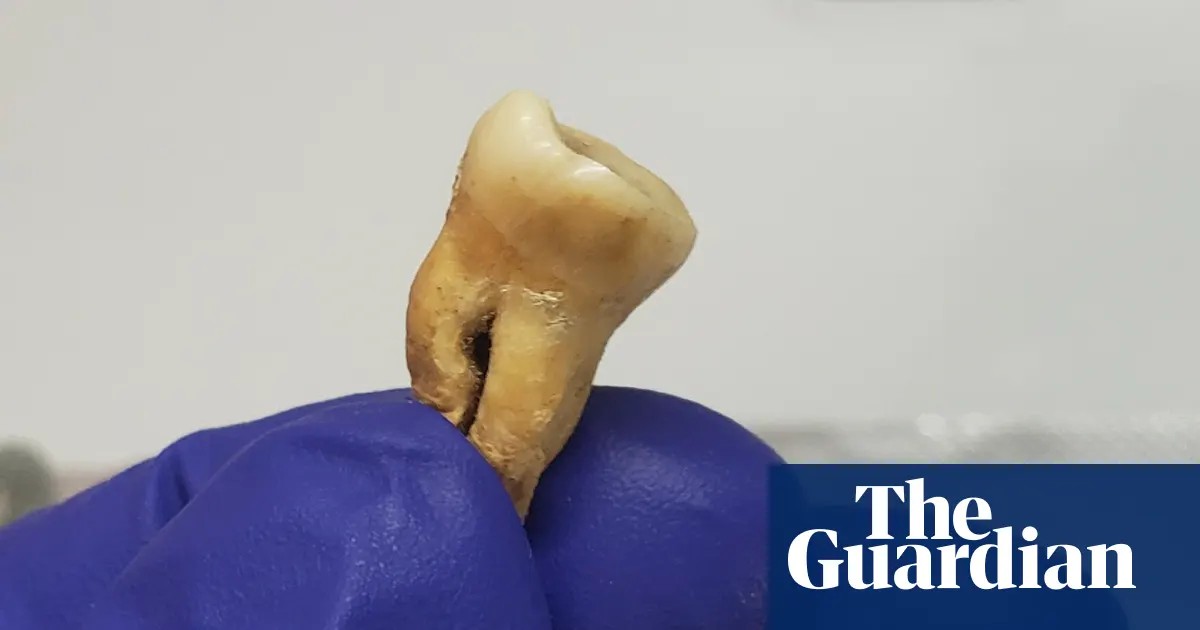
Researchers analyzed DNA extracted from teeth, finding victims spanned all demographics: men, women, young, and old. This suggests the plague struck a highly mobile population caught in Jerash during the pandemic. The victims weren’t locals; they were travelers, mercenaries, slaves, and merchants—people who moved freely before being trapped by the outbreak. The situation echoes modern pandemics, like COVID-19, where lockdowns and travel restrictions suddenly halted movement, concentrating vulnerable populations.
Why This Matters: Beyond the Numbers
The Plague of Justinian is often dismissed in historical narratives because its impact isn’t as visually dramatic as the Black Death. There was no sudden population collapse or widespread societal disruption visible in historical records. Some even deny its severity. However, the Jerash mass grave provides irrefutable physical evidence: the disease happened, and it killed people on a massive scale. The fact that hard evidence was missing until now highlights how easily historical traumas can be obscured or downplayed.
Parallels to Modern Pandemics
The study highlights striking parallels between ancient and modern outbreaks. Just as some dismissed COVID-19 early on, there’s been historical denial of the Plague of Justinian’s impact. The Jerash discovery challenges this denial, demonstrating that a pandemic can rage through a population without necessarily causing immediate regime change or economic collapse. The real impact is felt in the human toll, the disruption to daily life, and the sudden, brutal loss of life.
The Jerash site offers a chilling glimpse into the past, reminding us that pandemics aren’t just biological events; they are deeply social crises that leave lasting scars on communities. The discovery underscores that even without the speed of modern travel, a deadly pathogen can spread rapidly and overwhelm urban centers, making vulnerable populations defenseless.