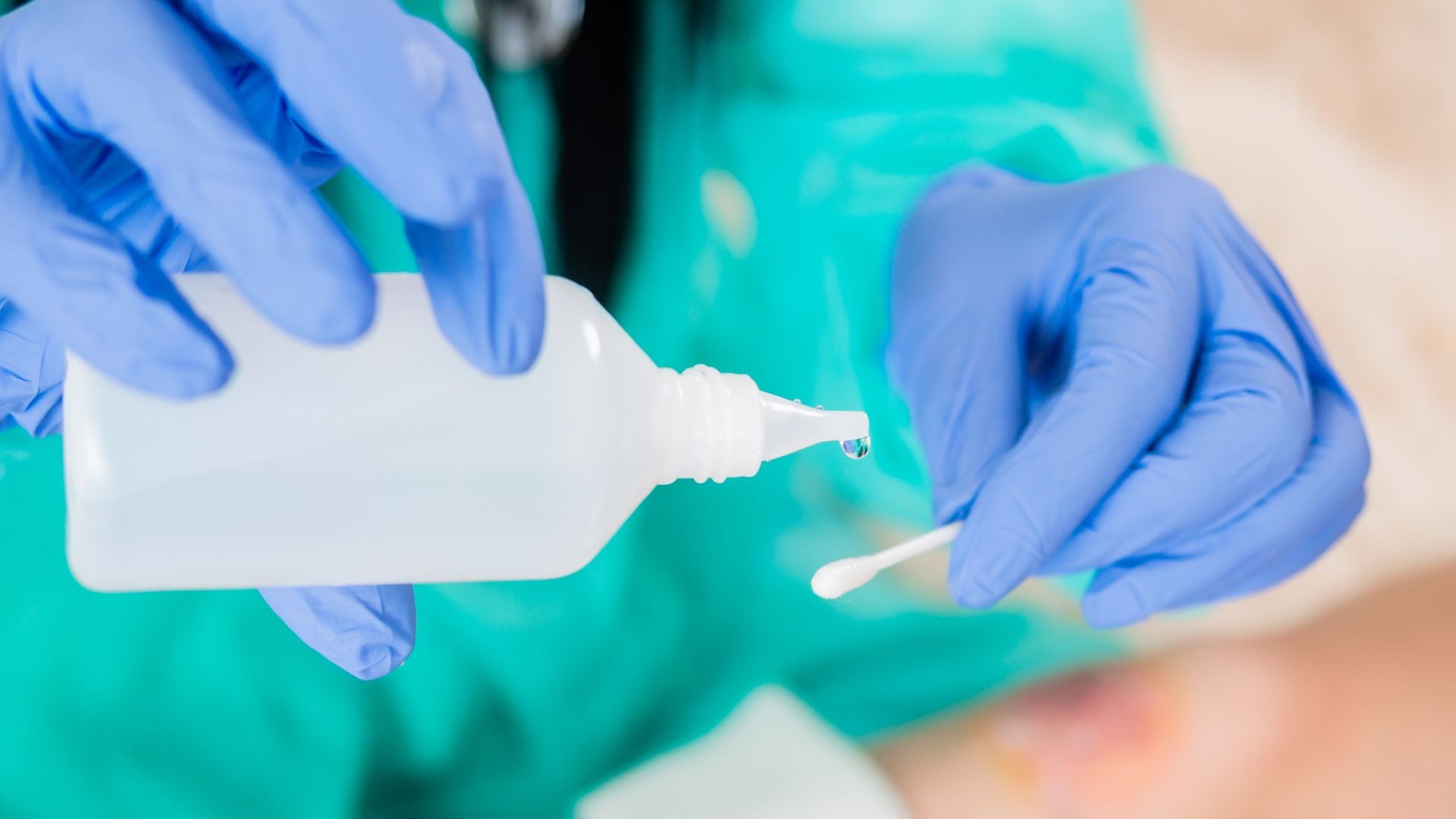
A recent study published in Environmental Science & Technology has uncovered a concerning phenomenon in hospital environments: the presence of bacteria that have developed a tolerance to common antiseptics. These germs are not just lingering on surfaces; they are potentially spreading through the air and sharing genetic secrets that could make them resistant to life-saving antibiotics.
Understanding the Difference: Tolerance vs. Resistance
To understand the gravity of these findings, it is essential to distinguish between two terms often used interchangeably:
- Tolerance: Bacteria can survive certain concentrations of a chemical, though they can still be killed by standard, full-strength doses.
- Resistance: Bacteria can thrive even when exposed to the high concentrations of chemicals that are specifically designed to kill them.
The danger lies in the transition from one to the other. When bacteria are repeatedly exposed to “sub-lethal” doses—traces of chemicals that aren’t strong enough to kill them—they undergo an evolutionary process that can turn tolerance into full-blown resistance.
The “Microenvironment” Problem
Researchers from Northwestern University, led by Professor Erica Hartmann, tracked bacteria in an intensive care unit (ICU) in Illinois. By swabbing various surfaces—including bedrails, keyboards, and light switches—they isolated approximately 1,400 bacteria. Remarkably, 36% of these samples showed tolerance to chlorhexidine, a common antiseptic used for skin preparation before surgery.
The study identified a critical mechanism behind this: lingering residues. Even after surfaces are cleaned with water or other chemicals, traces of antiseptics can persist for at least 24 hours. These microscopic traces create “microenvironments” where bacteria are constantly “practicing” how to survive chemical exposure.
The Role of Sinks and Aerosols
The research highlighted hospital sinks as major hotspots. The warm, humid environments within sink drains are ideal for bacterial growth. Furthermore, the study suggests these bacteria can travel via aerosols —tiny particles created when water splashes or drains. The presence of tolerant bacteria on door sills suggests that these germs are being lifted into the air and settling on distant surfaces.
The Genetic Connection: A Double Threat
Perhaps the most alarming finding involves how these bacteria communicate. The study found that many of these chlorhexidine-tolerant bacteria carry plasmids —small loops of DNA that can be transferred between different species of bacteria.
This DNA doesn’t just provide protection against antiseptics; it can also carry genes that provide resistance to antibiotics, such as carbapenems.
This suggests a dangerous cycle: the use of antiseptics in a hospital setting might be inadvertently accelerating antibiotic resistance, even in the absence of antibiotic use itself. This “cross-resistance” means that by trying to clean a surface, we may be teaching bacteria how to defeat our most powerful medicines.
Balancing Safety and Stewardship
Despite these findings, experts urge caution against overreacting. Danna Gifford, a lecturer at the University of Manchester, notes that chlorhexidine remains highly effective at standard clinical doses. Limiting its use without sufficient evidence could inadvertently increase infection risks for vulnerable ICU patients.
Instead, the research points toward the need for antimicrobial stewardship :
– Responsible Use: Using antiseptics and antibiotics sparingly and only when necessary.
– Environmental Awareness: Recognizing that chemicals used in hospitals, agriculture, and even homes contribute to the global resistance crisis.
– Targeted Hygiene: Shifting toward simpler methods, such as plain soap and water, for routine household cleaning to reduce unnecessary chemical exposure.
Conclusion
While antiseptics remain vital tools for patient safety, their lingering traces in hospital environments may be creating evolutionary training grounds for bacteria. Addressing this requires a careful balance between rigorous disinfection and the responsible management of chemicals to prevent the next wave of antibiotic resistance.