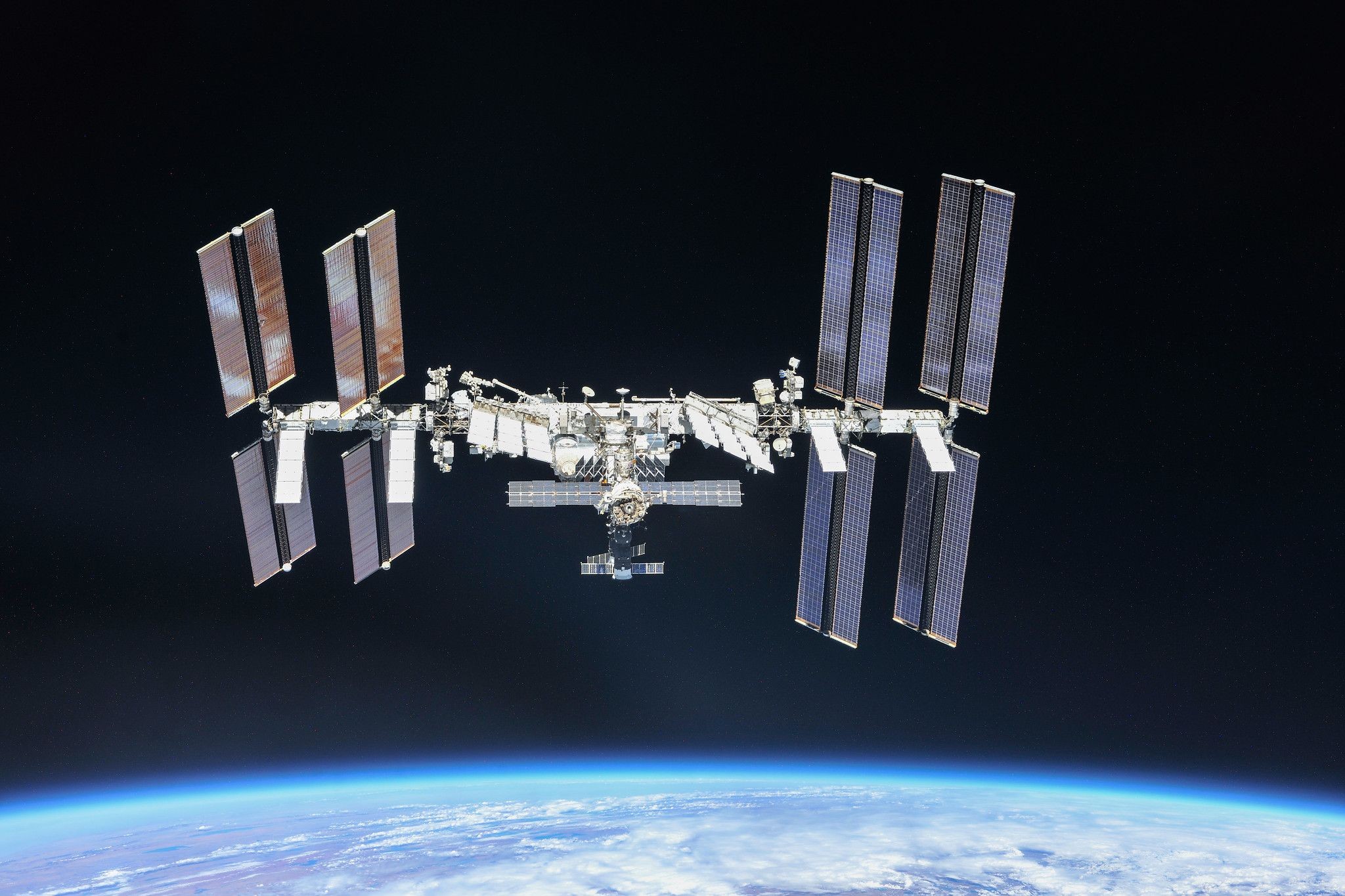
The International Space Station (ISS) is reverting to a historically smaller crew size after NASA announced the early return of SpaceX’s Crew-11 astronauts due to a medical issue affecting one of the team members. This decision will leave just three astronauts aboard the station: NASA’s Christopher Williams, and cosmonauts Sergey Kud-Sverchkov and Sergei Mikayev from Roscosmos.
Historical Context of ISS Crew Sizes
While a three-person crew is not unprecedented – it was the standard configuration for nearly a decade before 2009 – the move represents a significant reduction from the current seven-person rotation established in 2020. The ISS has undergone multiple staffing adjustments over its lifespan, reflecting changing mission priorities and resource availability. This shift highlights how operational needs can override long-term staffing plans.
Minimal Staffing Implications
NASA officials assured that Williams is fully capable of maintaining essential station functions, backed by remote support from ground control centers worldwide. The Russian cosmonauts aboard also possess training to assist with U.S. systems if required. However, the reduction in crew size will inevitably impact the volume of scientific work conducted onboard.
The most immediate effect is the suspension of spacewalks, which require a minimum of two astronauts. This limitation also increases the station’s vulnerability to urgent hardware failures or other contingencies, as experienced astronauts have pointed out.
Medical Evacuation Details
The medical issue prompting the Crew-11 evacuation arose before a scheduled extravehicular activity (EVA) and is unrelated to it. NASA has not disclosed the affected astronaut’s identity due to privacy concerns, but is prioritizing their early return for more comprehensive medical evaluation on Earth. The Crew-11 mission, which began in August, was originally slated to continue until the arrival of Crew-12 in mid-February.
Expedited Crew-12 Launch Under Consideration
NASA is exploring the possibility of accelerating the Crew-12 launch to mitigate the duration of minimal staffing. However, the exact timing remains uncertain, meaning Williams, Kud-Sverchkov, and Mikayev could operate as a skeleton crew for up to a month. This situation underscores the ISS’s operational flexibility yet also highlights the risks of reduced redundancy in critical space operations.
Reduced crew size at the ISS is a temporary setback, but demonstrates the adaptability of space operations. The priority remains ensuring crew health while maintaining essential station functions until full staffing can be restored.