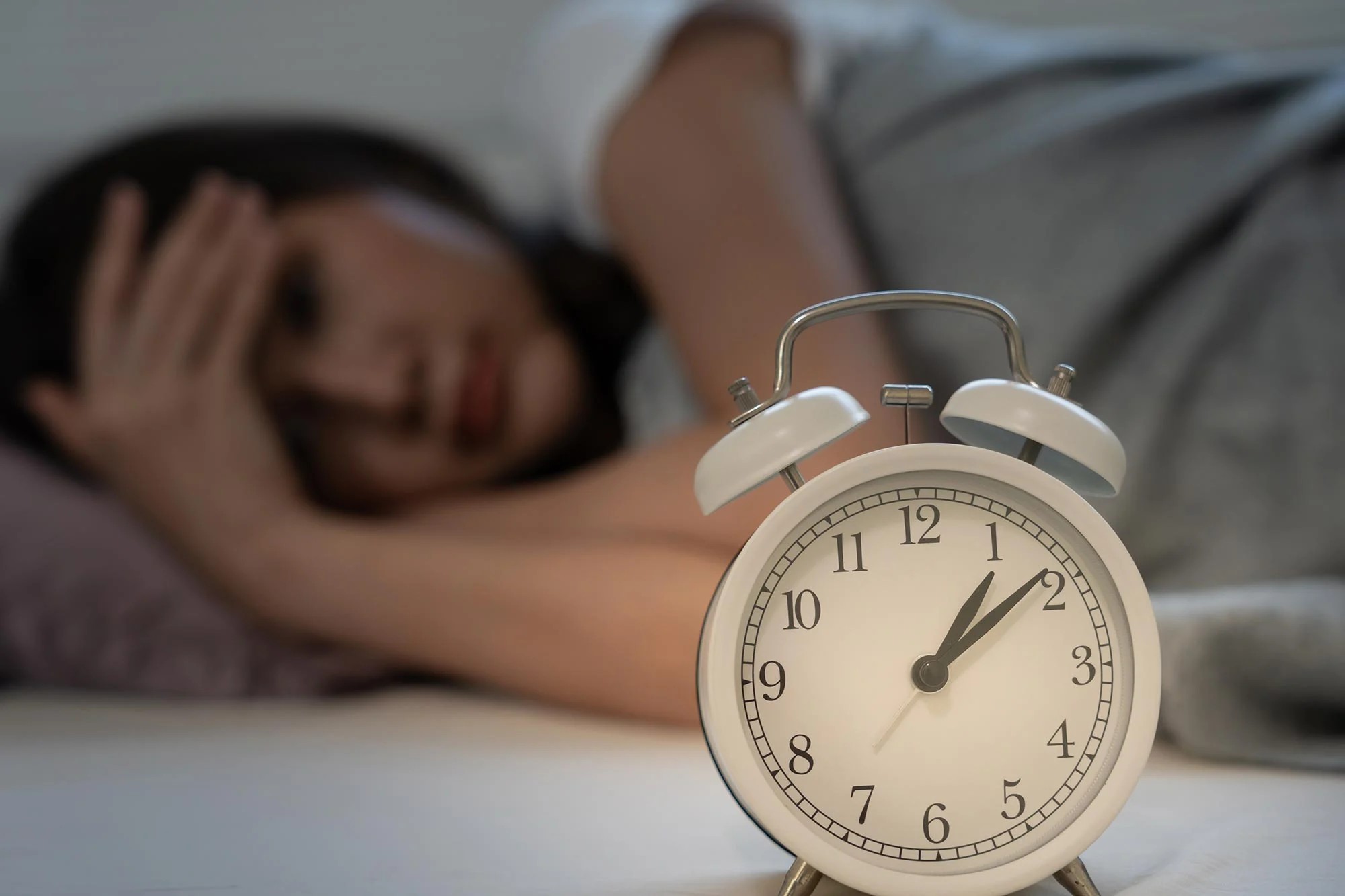
Researchers just threw another wrench into our sleep habits. It turns out that slacking on hours hurts, but so does hogging them. A new study says both extremes might be speeding up how our organs wear down. We are talking brain. Heart. Lungs. Immune system. It’s not just a mental fog issue either. These weird sleep patterns link directly to heart disease, breathing problems, and metabolic messes.
Biological aging clocks usually get the credit for predicting general lifespan. This work goes deeper. It maps out specific clocks for different parts of the body. Junhao Wen, who leads the research at Columbia, notes that we already knew sleep mattered for brain aging. But this proves it’s about the whole coordinated network of the body.
“Sleep is largely linked to aging,” Wen says, but now we see it tied to “metabolic balance and a healthy immune system.”
How we measure the decay
Scientists use these biological clocks to see if you’re aging faster than your birthday suggests. It involves machine learning scanning proteins in your blood and imaging data. It’s less about counting years and more about counting cellular wear-and-tear.
Here’s the twist. Organs don’t age in sync. Ovaries speed up while bones lag. Wen’s team built these organ-specific clocks to get personalized data. Most people hype these clocks for predicting death risk. Wen finds a different question more pressing.
“Can we link aging clocks to a lifestyle,” he asks, “that can be modified in time?”
He’s a light sleeper himself. That probably didn’t help his focus. The team needed a lever they could actually pull. Sleep fits. Everyone does it. Or tries to.
They dug into data from half a million people in the UK Biobank. Used algorithms to find biological signatures for seventeen organ systems. Twenty-three separate clocks. For the liver alone they cross-referenced proteins, metabolism, and images. Just to check if the signal held up.
The sweet spot is narrower than you think
The shape of the risk curve is a U.
If you sleep under six hours. Your organs age faster.
If you sleep over eight hours. Same thing happens.
The biological goldilocks zone sits between 6.4 and 7.8 hours. That’s tight.
We have to be clear though. Correlation isn’t causation. This doesn’t prove sleep directly rots your heart. But it strongly suggests that people sleeping too little or too much are already running a subpar biological machine. Or that the bad sleep is causing the rot. Either way the outlook isn’t great.
The diseases lining up are predictable but numerous.
- Short sleep connects to anxiety and depression. Also obesity and Type 2 diabetes. Blood pressure spikes. Heart rhythm glitches.
- Long sleep ties to the same respiratory issues like asthma. Digestive problems too. Reflux and gastritis show up in both groups.
It confirms a brain-body system effect. It’s not isolated. The sleep habit echoes through everything.
Treating depression isn’t one size fits all
Maybe this helps explain late-life depression. At least part of the puzzle.
The researchers couldn’t tell if bad sleep causes the depression or the depression wrecks the sleep. But they did something called a mediation analysis. It looked at which organs were aging differently between the short sleepers and long sleepers.
Turns out the path is different.
Short sleep seems to drive depression directly. Long sleep might do it by accelerating aging in the brain and fat tissue. Separate routes to the same sad destination.
Wen calls this crucial for therapy. If we don’t fix the specific pathway, we miss the cure. We treat long and short sleepers differently now? We should.
Why assume two opposite habits lead to a problem in the same way?
The study appeared in Nature in May 2026. Funded by the NIH.
We know what we’re supposed to do. Six hours four minutes to seven hours forty-eight minutes. That’s the window. Anyone hitting eight hours or less than six needs to check their pulse. Metaphorically speaking. But probably literally too. The clocks are ticking.