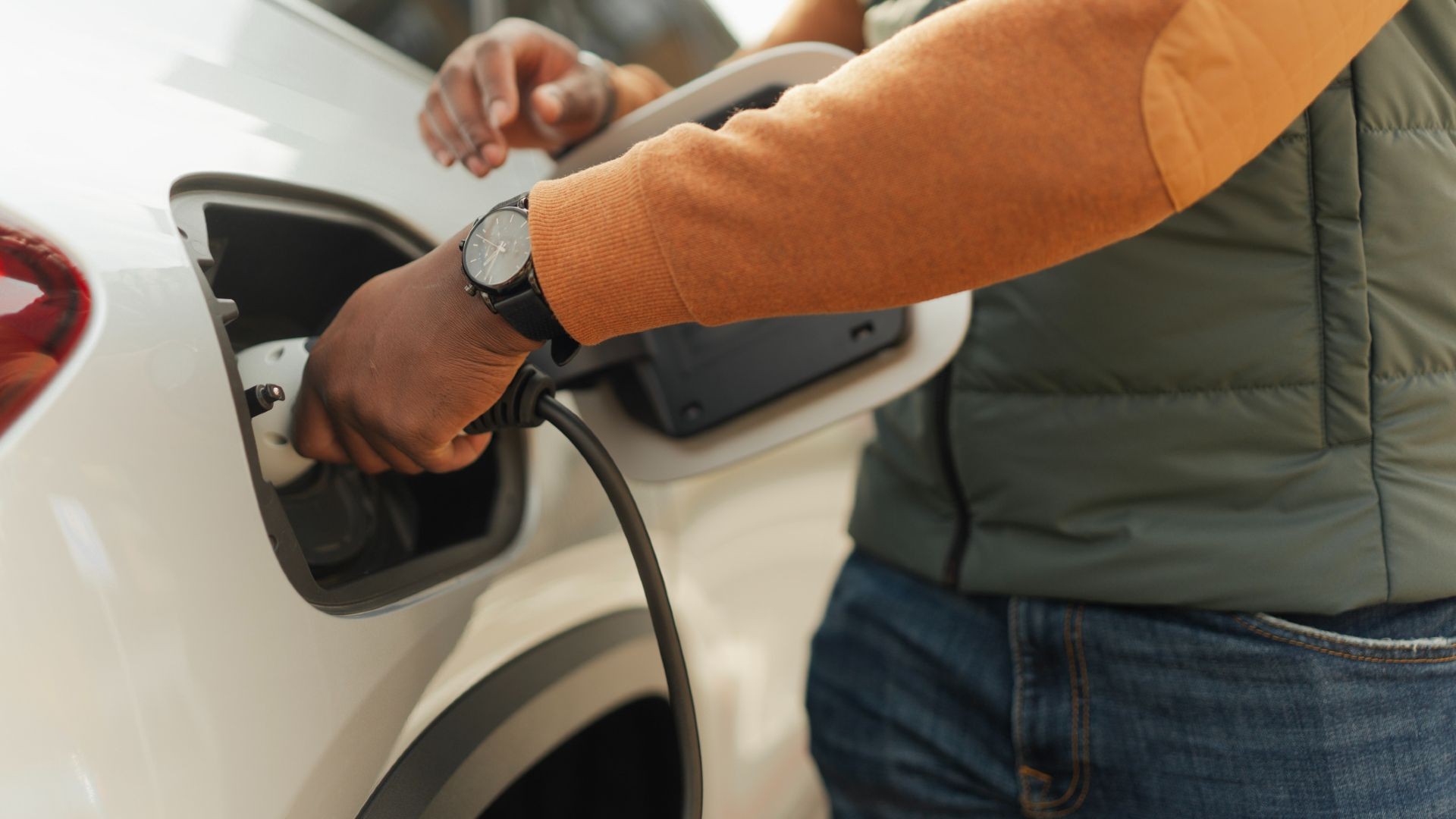
China has become the first country to put a sodium-ion (Na-ion) battery into a mass-produced electric vehicle (EV), marking a significant advancement in battery technology and potentially reshaping the future of electric mobility. The Changan Nevo A06, developed jointly by Changan Automobile and CATL (Contemporary Amperex Technology Co., Limited), is now the world’s first passenger vehicle powered by this next-generation battery chemistry.
The Rise of Sodium-Ion Technology
For years, lithium-ion (Li-ion) batteries have dominated the EV market. However, Na-ion batteries offer several advantages: they utilize sodium, a far more abundant and cheaper material than lithium, making production costs lower and supply chains more stable.
More importantly, Na-ion batteries are inherently safer, being less prone to thermal runaway (catching fire) compared to Li-ion. They also excel in extreme temperatures, retaining charge far better in both freezing cold and scorching heat.
The Nevo A06’s 45 kilowatt-hour CATL Naxtra battery delivers a range of 248 miles (400 kilometers) on a single charge, with an energy density of 175 watt-hours per kilogram. Charging times are also dramatically reduced: the vehicle can reach 80% charge in just 15 minutes—twice as fast as a Tesla Model Y under comparable conditions.
Why This Matters
This isn’t just about faster charging or longer ranges. The shift to Na-ion batteries addresses critical bottlenecks in the EV industry:
- Supply Chain Security: Reliance on lithium has created geopolitical vulnerabilities. Sodium is globally abundant, reducing dependency on limited resources.
- Battery Safety: Li-ion fires remain a concern for consumers. Na-ion’s stability mitigates this risk.
- Cold-Climate Performance: EVs often suffer reduced range in cold weather. Na-ion batteries maintain 90% of their capacity even at -40°C (-40°F), providing reliable performance in harsh environments.
The Changan Nevo A06 retains three times more discharge capacity at -22°F (-30°C) than lithium iron phosphate (LFP) batteries, proving Na-ion’s superior cold-weather performance.
Beyond Passenger Vehicles
The implications extend beyond cars. BYD, now the world’s largest EV manufacturer, is already constructing a 30 gigawatt-hour Na-ion battery facility in China. The technology is poised to disrupt grid-scale energy storage (BESS) as well, ensuring stable performance in extreme conditions, eliminating the seasonal efficiency drops seen in current Li-ion-based storage systems.
The introduction of the Nevo A06 is a turning point. As Na-ion batteries scale up in production, drivers could experience more efficient EVs, and power grids will benefit from more reliable energy storage. The long-term effect on the cost and safety of EVs could be transformational.