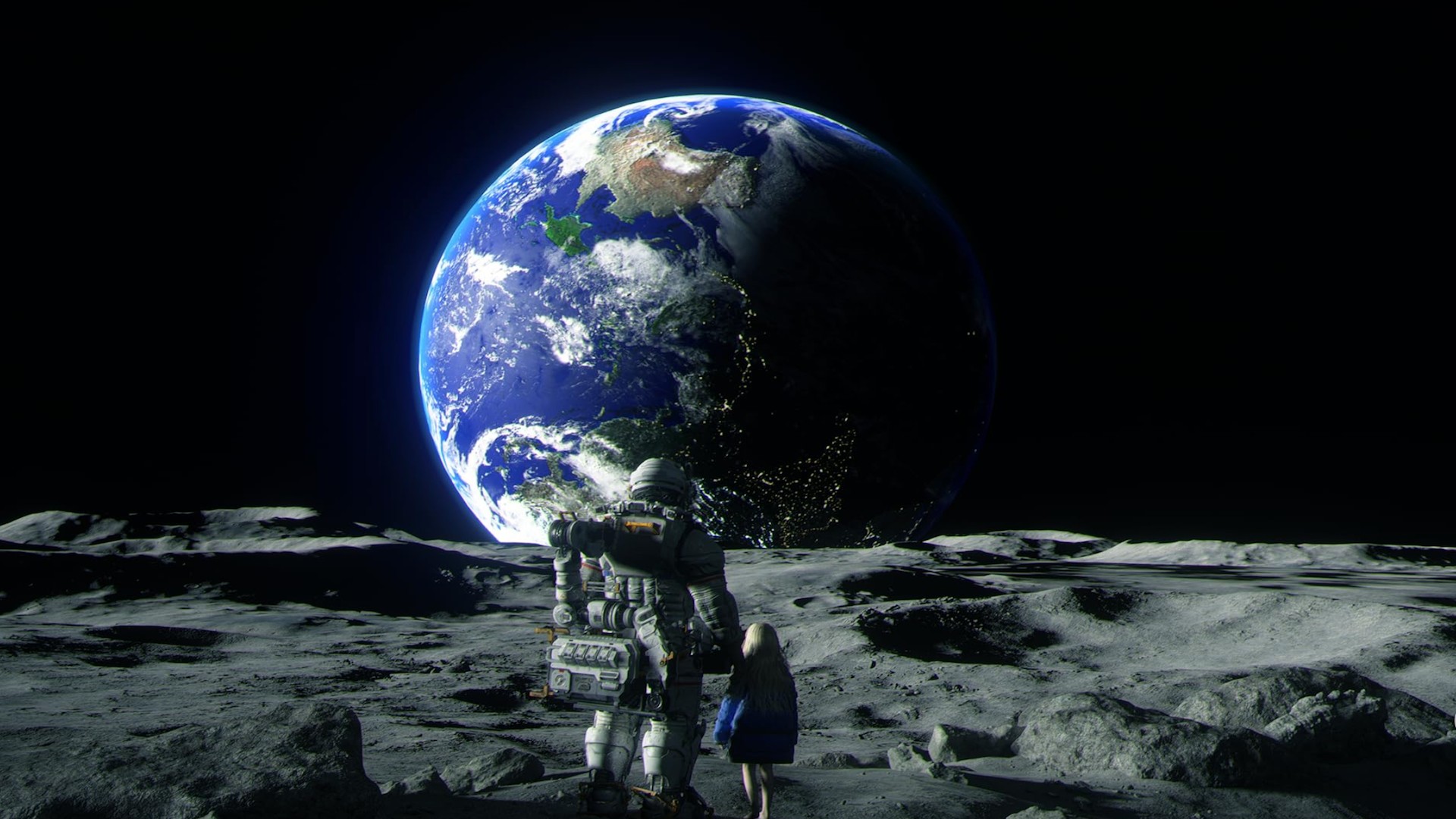
Capcom’s Pragmata has emerged as a standout title in the 2026 gaming landscape, earning widespread acclaim for its emotional depth and atmospheric world-building. Released on April 17 for PlayStation 5, Windows, Xbox Series X/S, and Nintendo Switch 2, the game follows Hugh Williams, a systems engineer, and Diana, a resourceful android, as they navigate a hostile lunar research station controlled by a rogue AI.
Directed by Yonghee Cho (Metal Gear Rising: Revengeance, Resident Evil 3 ) and written by Haruo Murata, the title distinguishes itself not through grand, epic sci-fi tropes, but through an intimate exploration of found family and survival. By blending strategic combat with a poignant narrative, Pragmata offers a resonant experience that appeals to both longtime Capcom fans and newcomers alike.
The Challenge of Originality
Creating a new intellectual property (IP) is inherently risky. Cho explains that the primary hurdle was ensuring the game’s novelty translated into genuine value and accessibility for a global audience.
“Designing something new as a creator is incredibly exciting, but at the same time, it’s an extremely challenging endeavor. It must have value, appeal, and provide enjoyment to audiences around the world.”
To achieve this, the development team focused heavily on refining the game’s core mechanics. The goal was to make innovative gameplay feel intuitive rather than confusing. This iterative process resulted in a “hacking × shooting” system that rewards strategic thinking over brute force.
Strategic Combat and “Fast Moves”
The combat in Pragmata is designed to create moments of catharsis through efficient, stylish execution. Players are encouraged to utilize the full range of Hugh’s abilities—dodging, hacking, and shooting—in rapid succession.
Cho highlights the Fast Moves mechanic as a personal favorite. This feature introduces a slow-motion effect when the player dodges an attack at the precise last moment. This timing-based system allows players to dodge enemy strikes with thrusters, hack their systems, and finish them off with varied weaponry, creating a fluid and satisfying combat loop.
Character Design as Narrative Symbolism
Hugh and Diana are designed as a single entity in terms of gameplay synergy, yet they represent two distinct presences on screen. Cho emphasizes that Diana is not merely a support character but a co-protagonist essential to the story.
To ensure she remained visually distinct and engaging, the team gave her a bright, colorful palette that stands out against the lunar backdrop. Crucially, her design avoids making her feel like a burden; instead, she is crafted to be a companion players actively want to keep close.
The color choices also carry deeper symbolic weight:
* Hugh (White): Represents the Moon and his somewhat robotic, stoic nature.
* Diana (Blue): Represents Earth, childlike curiosity, and hope.
This deliberate contrast flips traditional expectations: the human appears more mechanical, while the android exhibits more humanity. Through these visual cues, the game poses a central philosophical question: “What does it mean to be human?”
A Soundscape of Loneliness and Resolve
The game’s aesthetic is heavily influenced by Cho’s nostalgia for 1980s and 1990s Hollywood cinema, Japanese manga, and video games. This retro-inspired energy is mirrored in the score composed by Yasumasa Kitagawa.
Rather than relying on sweeping orchestral sci-fi themes, the soundtrack focuses on the emotional dynamics between the characters. Cho requested a melancholic piano melody to capture the isolation of space, resulting in a vocal track that leaves a lasting emotional impression.
In contrast, the combat music utilizes metallic, heavy, and tense compositions. This auditory shift serves a narrative purpose: it underscores the growing resolve of Hugh and Diana as they face increasing threats, contrasting the warmth of their bond with the cold hostility of their environment.
Conclusion
Pragmata succeeds by prioritizing character dynamics over spectacle, using its mechanical and visual design to reinforce themes of humanity and connection. By blending strategic gameplay with a nostalgic yet fresh aesthetic, Capcom has delivered a sci-fi adventure that resonates on both an intellectual and emotional level.