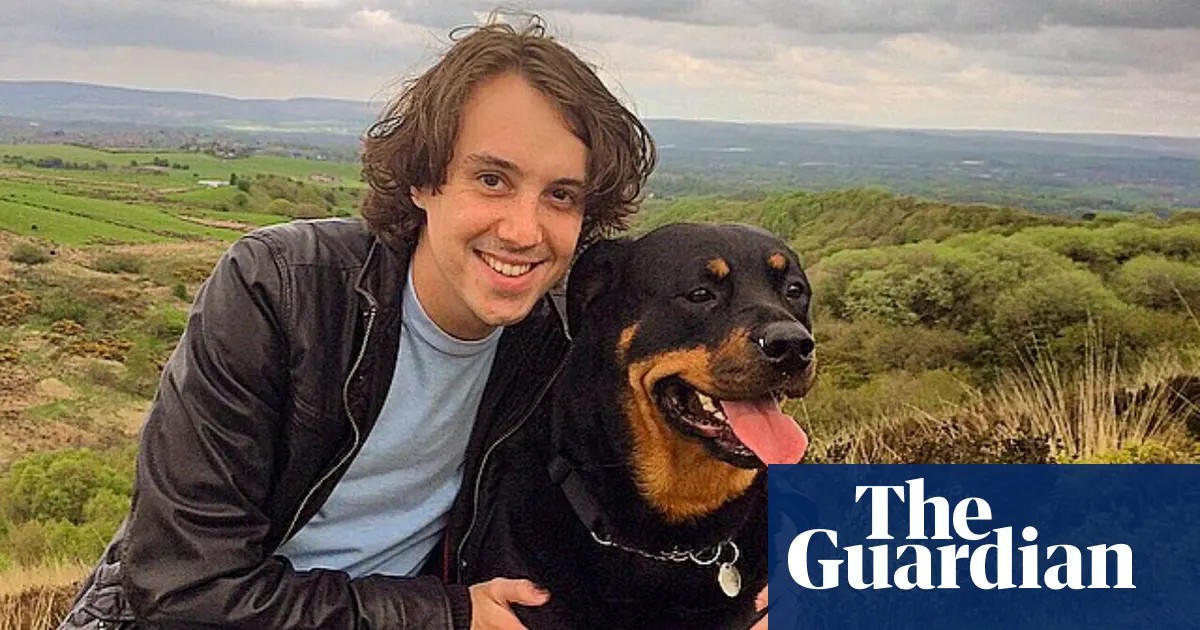
The rapid expansion of private cannabis clinics in the UK is facing increased scrutiny following the death of Oliver Robinson, a 34-year-old man whose family believes medicinal cannabis prescriptions exacerbated his mental health crisis and ultimately contributed to his suicide in November 2023. An inquest concluded that the prescriptions, issued by Curaleaf Clinic, may have “probably contributed” to his death and “acted as an obstacle” to appropriate psychiatric care.
This case highlights a growing concern: the unregulated nature of the private cannabis industry, particularly in prescribing to patients with severe mental illness. Despite legalizing medicinal cannabis in 2018, the UK has seen a surge in privately prescribed, unlicensed cannabis products – over 659,000 in 2024 alone, exceeding the 282,000 issued the previous year. This stands in stark contrast to the limited number of licensed CBMPs prescribed by the NHS, which prioritizes approved treatments for conditions like epilepsy and severe pain.
The Case of Oliver Robinson
Robinson, who had a history of depression and addiction, sought relief from private clinics after leaving a mental health facility. His family reports a disturbing decline in his condition following the prescriptions, marked by violent outbursts, threats, and eventual isolation. He received prescriptions from Curaleaf Clinic based on an outdated GP summary, and the clinic did not communicate with his NHS psychiatrists to ensure coordinated care.
The coroner’s report revealed critical failings: incomplete medical information, inexperience among prescribing clinicians, and a lack of communication between private and public healthcare providers. This case underscores the dangers of prescribing potent cannabis products (some containing up to 27% THC) without thorough assessment or collaborative care.
Regulatory Gaps and Industry Growth
The current system allows specialist doctors to prescribe cannabis-based medicines, including unlicensed products, where they deem it clinically appropriate. However, the Care Quality Commission (CQC), the healthcare regulator, acknowledges that most private prescriptions are for unlicensed products, raising concerns about quality control and efficacy.
Alexander Robinson, Oliver’s brother, is now leading a campaign dubbed “Oliver’s Law,” calling for stricter controls:
- Ban on prescribing to patients with serious mental illness.
- Mandatory consultation with NHS mental health teams.
- Face-to-face assessments for complex cases.
- Increased CQC oversight, including routine audits and transparent prescribing data.
- Mandatory reporting of adverse events and stricter sanctions for unsafe prescribing.
Expert Warnings and Ongoing Concerns
Dr. Pavan Chahl, an expert psychiatrist, testified at the inquest that Robinson “should never have been prescribed medicinal cannabis,” citing a lack of evidence for its efficacy in depression and the potential to worsen mental health conditions. The British National Formulary also advises against prescribing cannabis to patients with severe psychiatric disorders.
Despite the coroner’s report and growing calls for reform, Curaleaf Clinic maintains that it takes clinical governance seriously and will engage with regulatory bodies. The CQC has stated it is reviewing the case to determine if further action is needed. However, the rapid growth of the private cannabis industry and the existing regulatory gaps continue to pose risks to vulnerable patients.
The death of Oliver Robinson serves as a tragic reminder that without proper oversight and responsible prescribing practices, the promise of medicinal cannabis may come at a dangerous cost.