The Perseids are back. Like clockwork, every August the sky puts on a light show that makes people look up and point. However, it is not magic. It’s debris. More specifically, it concerns the trail left by comet 109P/Swift-Tuttle. As our planet orbits through that dusty path, thousands of particles – some tiny, some larger than a grain of sand – burn up in the atmosphere. They race through the dark sky at incredible speeds.
If you’ve been there, you know the drill. To see them properly, you need darkness. Less light pollution means more meteors. It’s that simple. City dwellers often miss the whole spectacle because of the street lights and neon signs. But the internet has a way of saving the day for those stuck in city centers or who just missed the peak dates.
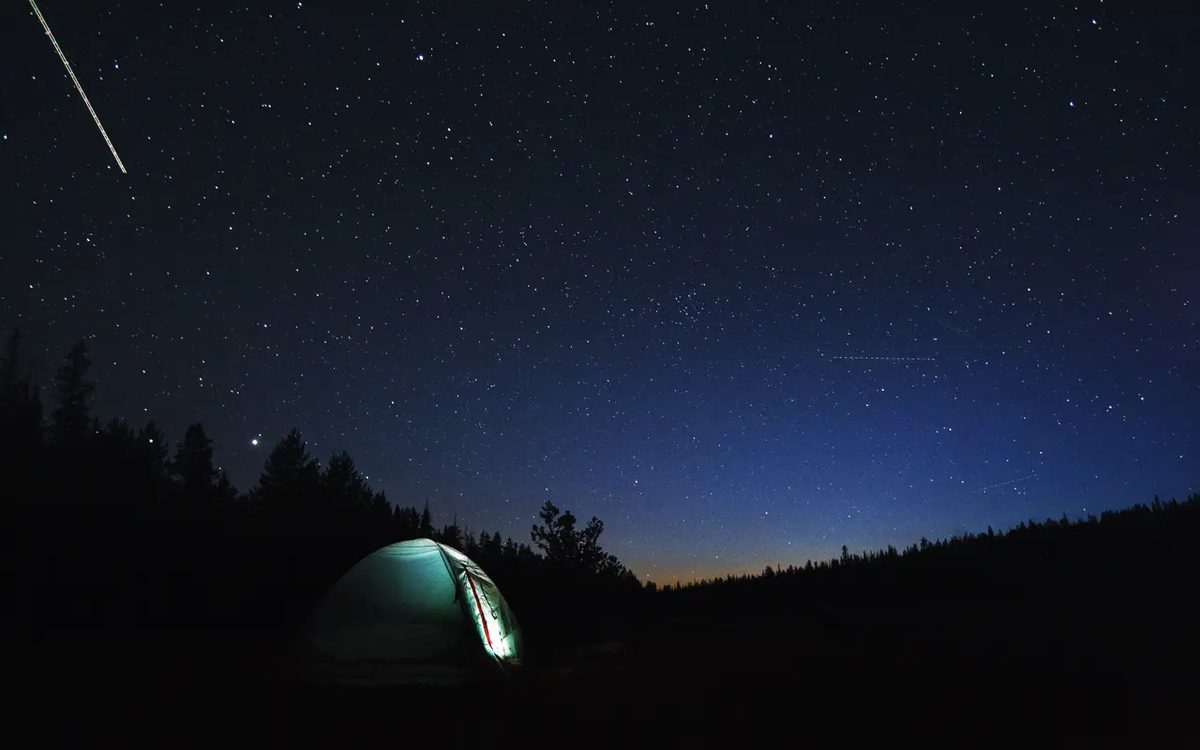
We scoured the internet to find the sharpest and most stunning photos from this year’s event. Whether you’re an avid astronomer or someone who enjoys beautiful pretty pictures in the sky, this collection has something for you. Some of the pictures show classic, needle-thin trails. Others capture fireballs lighting up the horizon. Here’s a look at the most beautiful moments captured by photographers around the world.
Capturing the Swift-Tuttle Trail
The source of the Perseids is no ordinary rock. Comet 109P/Swift-Tuttle is a large periodic comet about 26 kilometers across. It orbits the sun every 133 years. Its last flyby was in 1992. This time it will happen in 2126. The comet sheds dust as it heats up near the Sun. This dust is spread in orbit.
Earth crosses this path every year. The crossing takes place in mid-August. Then the meteor shower reaches its peak. Debris hits the atmosphere at about 59 kilometers per second. It’s fast. Really fast. The particles evaporate due to friction. They shine. We see this glow as a streak of light.
Why location matters
The radiant point of the Perseids is in the constellation Perseus. That’s where they seem to have started. But they can appear anywhere in the sky. You don’t need a telescope. Just your eyes. Or a camera.
In the city, the sky is washed out. Artificial light scatters in the atmosphere. It reduces the contrast. Faint meteors disappear. To see the whole show you have to move away from the lights. Dark skies reveal fainter particles. They are there. Maybe you can’t see them from the parking lot.
For those who couldn’t travel, photos serve as a proxy. They capture what the naked eye missed by the naked eye. Or what a quick glance during a commute could have missed. The pictures illustrate the sheer volume of activity. On a perfect night, you can see up to 100 meteors per hour. That’s a lot of fire in the sky.
The visual best of the summer
The photos collected here show different techniques. Some are single exposures. Others are long exposures that track the rotation of the Earth. Long exposure images show the curved trails of the stars. Meteors appear as bright lines that cutting through the star trails. It

The world of technology is developing rapidly. If you missed the last update, you might be wondering what happened. Or maybe you just want to keep up.
Futura Science has pushed out a new alert. This is on WhatsApp. And Google News.
This is more than just an announcement. It’s about access. Do you want to learn about the latest science and technology? You get it straight. There is no need to update the homepage. No need to wait. Just a ping on your phone.
The idea is simple. Stay updated. Don’t miss big breakthroughs. Whether it’s a new space launch or a medical breakthrough, the goal is to reduce noise.
You can follow Futura on WhatsApp. It’s there. Right in your chat list.
And Google News. For those who like the news gathering route. It pushes the stories to you.
That way you won’t miss out. Science and technology news can be overwhelming. This is a filtering method. Go straight to the source.
If you’re not following them, you could be up to three days behind the latest research results. That’s a long time in this field.
The tools are simple. Messaging app. news feed. The most important thing is the content.
Are you getting your alerts?