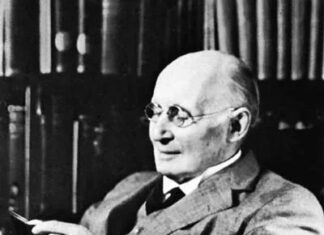
Aron Nimzowitsch never held the crown. He chased it for years. He lost. But if you look at how modern players handle the board, you are looking at his ghost.
Born in Riga, then part of the Russian Empire, on November 7, 1886, Nimzowitsch had a late start. He learned the rules from his father, a wholesale merchant, at age eight. That was just play. Real focus didn’t kick in until he enrolled at the University of Berlin in 1904. Suddenly, the game became his obsession.
He died in Denmark on March 16, 1935. Before that, he did something far more lasting than winning a tournament.
Why Hypermodern Chess Still Matters
He authored My System in 1925. It is still the bible for anyone studying advanced tactics. The book pushed back against the traditional, direct-attack style of the 19th century. Instead, it laid the groundwork for the Hypermodern school of chess.
This approach is different. It argues that you don’t need to occupy the center with pawns immediately. You control it from a distance. You strike later. It changed the vocabulary of the game. Before Nimzowitsch, chess strategy was opaque. After him, it was intelligible. He gave masters a shared language.
The Defense That Bears His Name
Which specific opening is tied to him? The Nimzowitsch-Indian defense.
It’s not just a footnote. It’s a structural shift. By developing pieces before committing central pawns, players could create flexible, resilient positions. This theory of play remains relevant because it prioritizes control over occupation.
He failed to win the world championship. Many times. But his theoretical contributions outlasted his trophies.