


You touch the fabric. It feels soft. Uniform. Expensive.
That tactile consistency isn’t an accident. It’s the result of a brutal, mechanical process called shearing. In textile manufacturing, this isn’t about trimming hedges. It’s about slicing the raised nap of a pile fabric to an exact, microscopic height.
Most people think of shearing as something that happens to sheep. And sure, it does. But in the world of fabrics, it’s the difference between a shaggy mess and a high-end carpet or a plush sweater.
How Shearing Machines Create Uniform Texture
The machinery works on a principle you probably already know. It operates like a rotary lawn mower. Blades spin. Fibers get cut.
The key variable is height. The operator adjusts the machine to shave off the tips of the fibers until they hit a specific depth. This creates that flat, even surface we associate with quality. If you want a thicker, cozier feel, you cut less. For a sleek, modern look, you cut more.
It’s not just about flatness, though. Designers use shearing to create patterns. By varying the height across different sections of the fabric, they can carve out stripes, geometric shapes, or even images. It’s essentially sculpting with cloth.
Shearing allows manufacturers to manipulate light reflection on the fabric surface, turning a simple pile into a visual design element.
The Two Meanings of Shearing in Industry
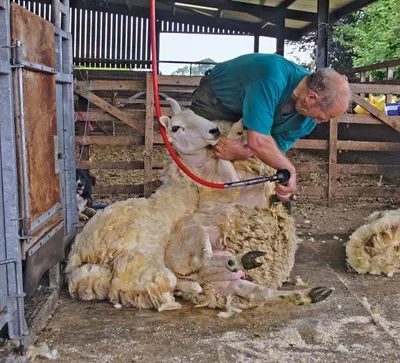
Confusion often arises because the word applies to two very different fields. In animal husbandry, it’s the removal of fleece from sheep or other wool-bearing animals. You use special shears for that. It’s agricultural.
In textile manufacturing, it’s a finishing step. It happens after the fabric is woven and the pile is raised. This is industrial.
Why does this distinction matter? Because if you’re searching for “how to shear fabric” you might end up watching videos about livestock. Knowing the context helps you find the right technical specs for textiles versus the right tools for farming.
Why Does Fabric Shearing Matter for Durability?
There’s a trade-off. The cleaner the cut, the softer the feel. But aggressive shearing can weaken the bond of the fibers to the base cloth. If you cut too deep, the pile can pull out. That’s why precision is everything.
It’s also about aesthetics. Unsheared pile looks fuzzy. It traps dust. It looks cheap. Sheared pile reflects light evenly. It looks intentional.
Which matters more to you? The immediate softness of the uncut pile or the long-term clean look of the sheared surface?
The machine doesn’t care. It just cuts.

