A new study reveals that pampered zoo penguins age faster biologically than their wild counterparts, despite living longer overall – a finding that researchers say offers surprising parallels to human lifestyles in developed nations. The research, published recently, highlights how overindulgence and inactivity can accelerate the aging process, even in the absence of predators and harsh environments.
The Penguin Paradox: Faster Aging, Longer Life
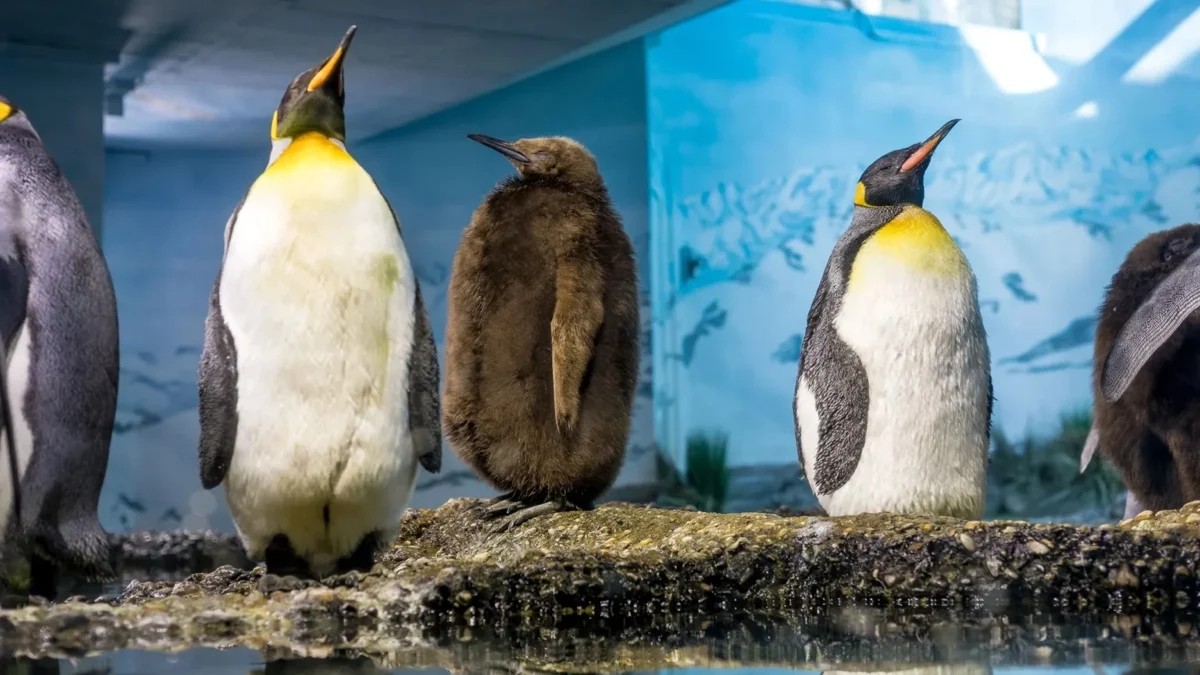
Researchers led by the University of Helsinki analyzed blood samples from 64 king penguins, comparing those in the wild (from Possession Island in the Southern Ocean) with those in zoos (Zoo Zürich and Loro Parque). Using an “epigenetic clock” – a method that measures DNA methylation – they found that zoo penguins showed signs of accelerated biological aging. A 15-year-old zoo penguin, for example, has the biological age of a 20-year-old wild penguin.
This means that while zoo penguins enjoy protection from natural dangers and unlimited food, their sedentary lifestyle and free-feeding diets disrupt their natural biological rhythms. This disruption may accelerate cellular damage and aging at a molecular level. The surprising twist is that, despite this faster biological aging, zoo penguins still live longer overall, with a median lifespan of 21 years compared to 13.5 years for wild penguins.
Why Penguins? A Model for Human Aging
The study’s implications extend beyond penguin biology. Researchers chose penguins because their basic socioeconomic circumstances haven’t changed significantly in centuries, offering a rare controlled environment for studying aging. King penguins live long lives (up to 40 years), making them ideal subjects for observing the effects of lifestyle factors.
The increased food intake and reduced activity levels of zoo penguins mimic a similar shift in modern human lifestyles. The study also compared penguin aging patterns to human data, specifically using smoking as a known age-accelerating factor, to validate the model. The results suggest that the biological mechanisms driving aging in penguins are remarkably similar to those in humans.
Beyond Fish and Exercise: Epigenetics and Lifestyle
The study delves into epigenetics, the field of how environment and behavior affect gene expression without altering DNA sequences. The epigenetic clock revealed that zoo penguins experienced changes in genes related to nutrient intake, growth, cell death, heart health, and physical activity. These changes suggest that a lack of environmental complexity, psychosocial stress, and altered gut microbes may also contribute to accelerated aging.
The researchers are now testing whether increased exercise and reduced food intake can reverse these effects in captive penguins. The broader message is clear: mindful eating and physical activity are likely vital for increasing lifespan, not just for penguins, but also for humans.
In conclusion: The penguin study underscores the critical link between lifestyle and aging. While modern comforts may extend overall lifespan, they can accelerate biological decay if not balanced with activity and mindful consumption. The findings serve as a stark reminder that even in the absence of natural threats, a sedentary, overindulgent existence can come at a cost.