


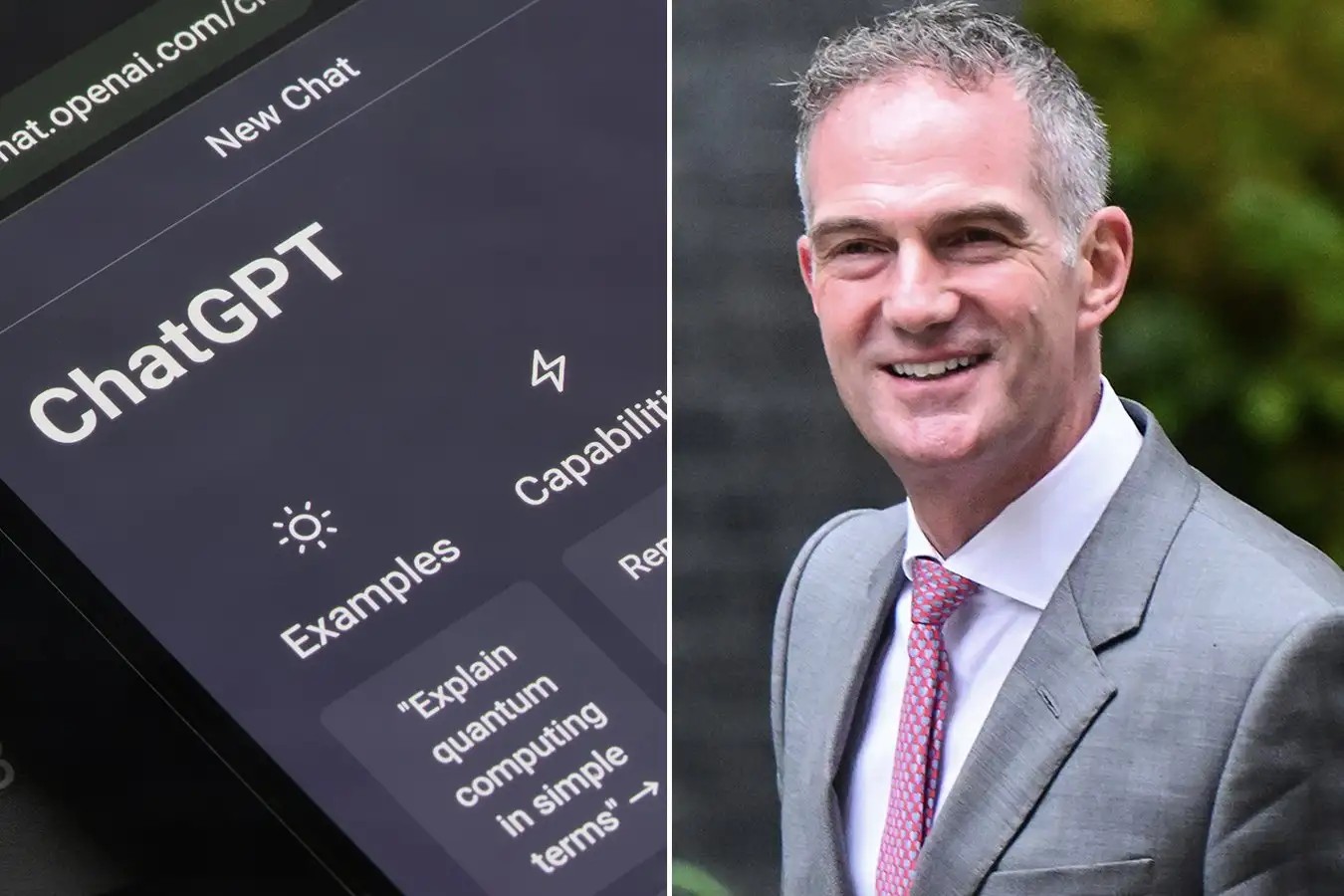
In early 2025, a routine Freedom of Information (FOI) request inadvertently set a new legal precedent regarding how the UK government handles interactions with AI chatbots. The case originated from a simple question: could records of conversations between then-UK Tech Secretary Peter Kyle and ChatGPT be obtained through FOI laws?
The Initial Request and Unexpected Outcome
Kyle had publicly stated his frequent use of ChatGPT, prompting an inquiry into whether his chat history could be accessed. While personal interactions were deemed private and therefore exempt from release, conversations conducted in an official capacity were made available by the Department for Science, Industry and Technology (DSIT) in March. This decision marked the first time AI chatbot exchanges between a government minister and an AI were publicly disclosed.
The release stunned data protection experts. “I’m surprised that you got them,” commented Tim Turner, a data protection specialist, underscoring the unusual nature of the outcome. The story gained international attention, with researchers from Canada and Australia seeking guidance on replicating the process in their own jurisdictions.
The Broader Implications
The case exposed a critical gap in data transparency. While governments rapidly adopt AI tools – with the UK civil service claiming up to two weeks of annual efficiency gains through ChatGPT-like systems – oversight remains minimal. AI is not impartial, and “hallucinations” (false outputs) are a known risk. Transparency is essential for accountability, especially as government reliance on these technologies grows.
Government Response and Subsequent Obstruction
Following the initial success, subsequent FOI requests faced increased resistance. A follow-up inquiry to DSIT regarding internal reactions to the story – including emails and Teams messages – was rejected as “vexatious,” with officials citing excessive processing time. The government’s reluctance highlights a growing trend: stricter enforcement of legal exceptions to block information release.
The shift in government behavior underscores the need for robust oversight of AI use in public administration. Transparency is not merely about access to data but about ensuring accountability in a rapidly evolving technological landscape.
The UK government has become more guarded around FOI requests, particularly regarding AI usage. This case demonstrates the urgent need for clear guidelines and consistent enforcement of transparency laws as AI becomes further integrated into government operations.


