Parents today face a barrage of often-conflicting advice about feeding their children. Pediatrician Nancy Bostock, who works at the intersection of child physical and mental health, shares six evidence-backed strategies to foster a healthy relationship with food. Her insights are especially relevant given the rising anxiety around children’s diets and the pressure parents feel to “get it right”.
The Interplay of Food, Parenting, and Anxiety
Many families start experiencing food-related anxiety early on, even in the first weeks after birth. Mothers can feel pressured to breastfeed, which is ideal, but their ability to cope is also crucial. Normal infant fluctuations in weight or blood sugar can trigger parental guilt, leading to an obsessive focus on feeding.
The key takeaway: Most children will eat when hungry and drink when thirsty. Over-monitoring doesn’t help; trust their bodies.
Stop Using Food as a Reward or Punishment
Saying things like “no dessert until you finish your dinner” teaches children to eat beyond fullness in pursuit of treats. This reinforces a preference for highly rewarding, often unhealthy foods while devaluing nutritious options.
Instead: Frame food as nourishment for energy. Limit parental control and let children learn to listen to their own bodies. Offering fruit after dinner is a better approach than forcing a full plate.
Avoid Unnecessary Dietary Restrictions
Many parents impose restrictions based on unproven advice, such as gluten-free diets without a medical need. Research shows these restrictions can lead to deficiencies and reinforce the idea that certain foods are “unsafe.”
Focus on what’s missing from diets, not what’s restricted: Prioritize fiber, fruits, vegetables, nuts, seeds, and whole grains. Cutting out entire food groups without a medical basis is often counterproductive.
Don’t Let Food Become a Bargaining Chip
Children quickly learn whether their parents genuinely care about their eating or whether it’s a negotiation tactic. Emotional blackmail (“If I don’t get ice cream, you don’t love me!”) or tantrums can escalate if parents give in.
Take the power out of food: Offer what’s available and say, “Eat if you’re hungry; if not, there’s fruit and yogurt.” This teaches self-regulation without manipulation.
Picky Eating is Normal: Embrace Gradual Exposure
Between 8% and 54% of preschoolers go through a picky-eating phase. This is often a developmental stage where children test food safety. Resist the urge to only offer “safe” foods.
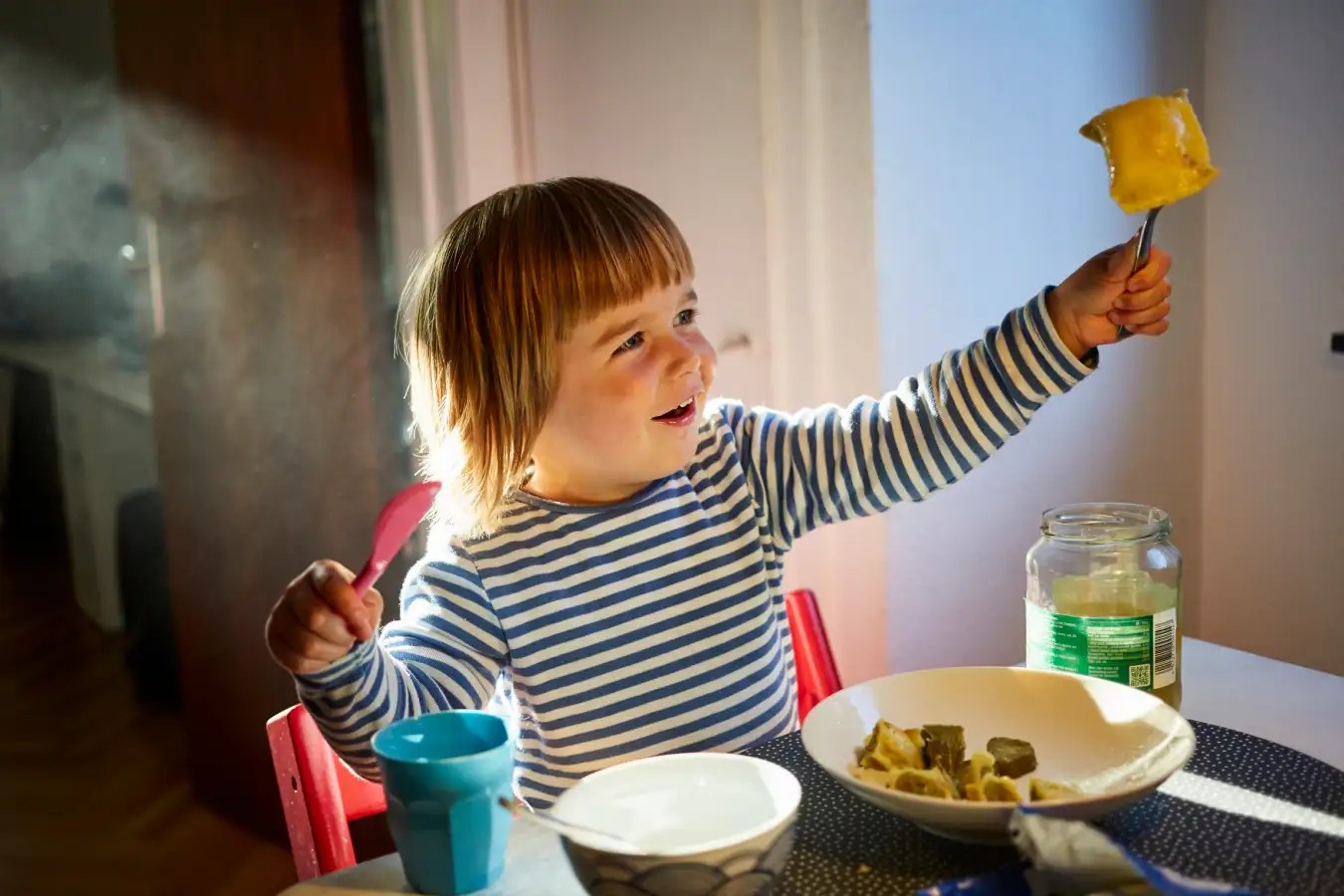
Exposure matters: Research suggests children need at least 15 positive experiences with a food before accepting it. Keep offering varied options without pressure. It’s also important to accept that sometimes, children need to eat things they don’t love for health, sustainability, and social functioning.
Model Healthy Behavior: Your Actions Speak Louder Than Words
Children absorb their parents’ attitudes toward food, even unconscious ones. Negative self-talk (“This is disgusting!”) or obsessive dieting creates a toxic environment.
Be a positive role model: If you want your children to have a healthy relationship with food and their bodies, you must embody that first. Parental bias is stronger than articulated views, so consistency matters.
If your child’s eating habits are severely restricted, or if growth is affected, consult a doctor.