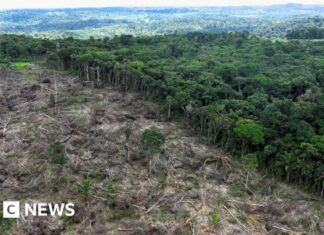
The evocative scents of vanilla, lavender, and sandalwood – staples in perfumery for centuries – are now threatened by environmental changes. A growing coalition of conservationists, perfumers, and biotech engineers are working to “bottle time,” capturing these fragrances before they disappear forever. This isn’t just about preserving pleasant smells; it’s a direct response to the increasing extinction risk facing key fragrance-producing plants, a trend driven by climate change, habitat loss, and unsustainable agricultural practices.
The Urgent Need for Scent Preservation
For decades, the idea of capturing a scent seemed purely romantic, as suggested by songs like Jim Croce’s “Time in a Bottle.” Today, however, it’s an increasingly urgent scientific and commercial endeavor. The Red List Project, a nonprofit focused on plant conservation, has been sounding the alarm since 2018. Led by biologists Peggy Fiedler and Vanessa Handley, the project highlights the vulnerability of cultivated species vital to the fragrance industry.
The core problem is simple: many fragrance-producing plants are facing extinction. Vanilla, lavender, and sandalwood, among others, depend on specific environmental conditions. As these conditions change, their ability to thrive – and produce the raw materials for perfumes – diminishes. The industry itself recognizes this risk, though action has been slow.
How Scent Preservation Works
The methods for preserving these scents are diverse. Some companies are investing in sustainable cultivation practices in regions where these plants grow naturally, attempting to mitigate habitat destruction. Others are turning to biotechnology – extracting genetic material to recreate scent compounds synthetically, bypassing the need for endangered plant sources. Still others are working to create seed banks and cryopreservation facilities to safeguard genetic diversity.
The Red List Project’s strategy is unique: directly appealing to the fragrance industry for funding and collaboration. By framing scent preservation as a business imperative, they hope to accelerate action. The underlying logic is clear: if these plants disappear, the industry loses access to irreplaceable ingredients.
Why This Matters Beyond Perfume
The race to preserve these scents is a microcosm of a larger crisis: the loss of biodiversity. Fragrance-producing plants often play critical roles in their ecosystems, supporting pollinators, stabilizing soil, and contributing to overall environmental health. Their disappearance isn’t just a loss for perfumers; it’s a warning sign of broader ecological