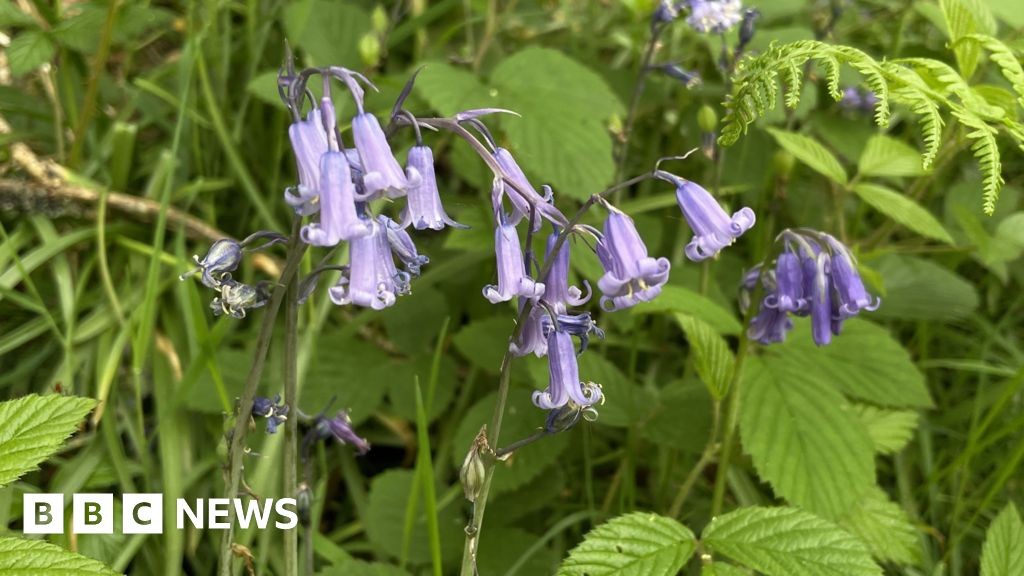
As spring arrives, south-west England transforms into a sea of blue, drawing thousands of visitors eager to capture the iconic carpets of wild bluebells. However, this surge in tourism poses a significant threat to the very flowers people have come to admire. The Woodland Trust, a leading conservation charity, is urging walkers to strictly stay on designated paths to ensure these fragile ecosystems survive for future generations.
The Hidden Damage of Foot Traffic
The primary concern is not just the immediate visual impact of crushed petals, but the long-term ecological damage caused by foot traffic. When visitors leave the path to get the perfect photograph, they compact the soil beneath the plants.
- Soil Compaction: Heavy foot traffic presses the earth so firmly that new bluebell bulbs cannot establish themselves, effectively stopping the natural regeneration of the woodland floor.
- Physical Destruction: Trampling breaks delicate stems and leaves, preventing the flowers from photosynthesizing and storing energy for the next year.
Joe Middleton, a site manager for the Woodland Trust in Devon, emphasizes simple behavioral changes: “Stay on the path, keep your dog on a lead, and use the zoom on your camera.” These small actions prevent unnecessary harm while still allowing visitors to enjoy the spectacle.
More Than Just Flowers: A Critical Food Source
Bluebells are not merely decorative; they are a critical component of the early spring food web. As some of the first flowers to bloom, they provide an essential source of pollen for emerging insects. These insects, in turn, become vital food for birds and other wildlife.
Disrupting this cycle by damaging the flowers adds another layer of pressure to wildlife populations that are already struggling with broader environmental challenges. Furthermore, many bird species nest on the ground within these woodlands. Trampling not only destroys the flowers but also risks destroying nests and disturbing breeding pairs.
Why These Woods Matter
The bluebell is native to western Europe, and south-west England remains one of its strongestholds. These flowers are often used as biological indicators for ancient woodland —forests that have existed continuously for centuries. Their presence, often in combination with other specific plant species, signals a stable, long-term ecosystem.
In some UK woodlands, bluebell densities are so high that thousands of bulbs exist in a single area, creating the famous blue carpets associated with spring. Protecting these sites is not just about aesthetics; it is about preserving rare, ancient habitats that have survived for millennia.
Legal Protections and Best Practices
The bluebell is protected under the Wildlife and Countryside Act (1981). This legislation makes it illegal to dig up or remove bluebells from the countryside. Landowners are also prohibited from removing them from their land for sale. While the law focuses on uprooting, the spirit of conservation extends to how these areas are visited.
The Woodland Trust does not seek to deter visitors but rather to encourage responsible enjoyment. By respecting boundaries and wildlife, people can help maintain the health of these ancient woodlands.
“We don’t need humans trampling flowers to add to the list of pressures that our wildlife is already facing.” — Joe Middleton, Woodland Trust
Conclusion
Enjoying England’s bluebell woods is a cherished spring tradition, but it requires mindfulness. By sticking to paths and keeping dogs under control, visitors can help preserve these ancient ecosystems, ensuring that the blue carpets remain vibrant and the wildlife dependent on them continues to thrive.