Researchers have successfully grown and consumed mushrooms that traveled to the International Space Station (ISS) and returned to Earth, demonstrating the feasibility of in-space food production for long-duration missions. The experiment, conducted by Swinburne University of Technology in collaboration with high school students and professional growers, tested the viability of three edible fungi species – lion’s mane, turkey’s tail, and cordyceps – under microgravity conditions.
The Experiment: From Launch to Harvest
In August 2024, 36 vials containing fungal mycelium (the root-like structure of mushrooms) were launched aboard a SpaceX Falcon 9 rocket to the ISS. These species were chosen for their potential health benefits, including cognitive function, gut health, and immune support – all critical for astronauts on extended space flights. The mycelium remained sealed in specialized packaging for nearly a month, with minimal direct astronaut interaction, before returning to Earth with a crew change.
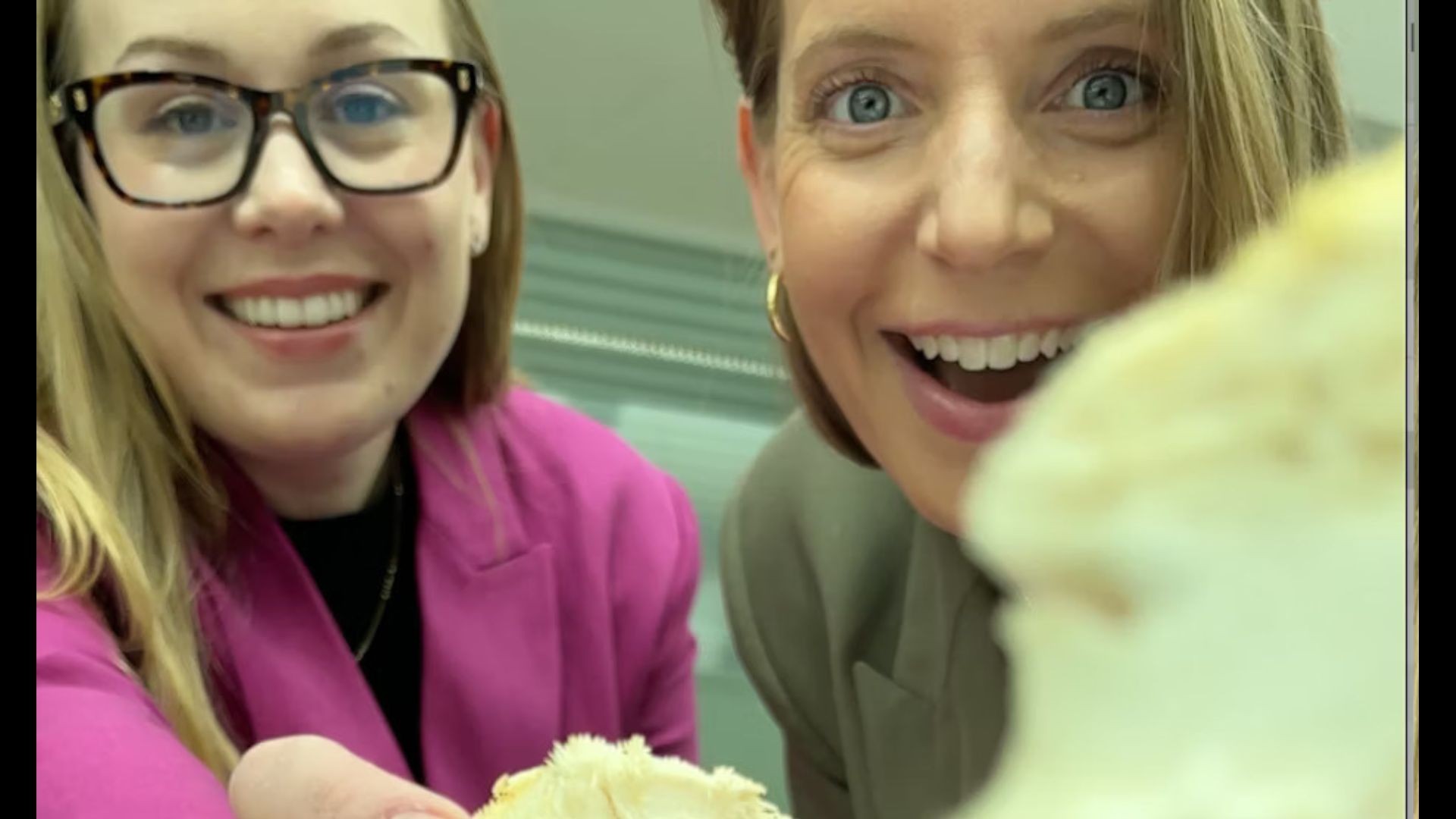
Upon arrival in Australia, the mycelium was transferred to nutrient-rich substrates and monitored in various environments (kitchens, labs, and storage fridges) to determine optimal growth conditions. Within days, signs of fruiting bodies emerged, and within a week, the team harvested fully grown lion’s mane mushrooms. These were then prepared and consumed, confirming their palatability after their journey to space.
Findings and Implications
Initial analysis indicates that the reduced gravity environment did not harm the mycelium. In fact, the fungi thrived, producing multiple mushroom rounds post-return. This suggests that growing food in space is viable, and potentially even beneficial, given the right conditions.
The success of this experiment has far-reaching implications for future long-duration missions, like those planned under the Artemis program. Astronauts will need sustainable food sources for weeks or months in deep space, and this research provides a promising solution. The team is now investigating whether space radiation and other stresses affect the nutritional value of space-grown foods.
“Our work – and these special mushrooms – are helping to provide crucial answers,” the researchers noted.
The ability to cultivate food in orbit reduces reliance on Earth-supplied provisions, cutting costs and logistical burdens. It also offers a psychological benefit, as fresh produce can improve astronaut morale during long isolation periods.
The next steps involve further analysis to determine long-term effects on the fungi and optimizing growth protocols for larger-scale production. This could include designing specialized in-space greenhouses or bioreactors to create a self-sustaining food system for deep-space exploration.